What does Jeremiah 8:4 mean?
“Moreover thou shalt say unto them, Thus saith the LORD; Shall they fall, and not arise? shall he turn away, and not return?” — Jeremiah 8:4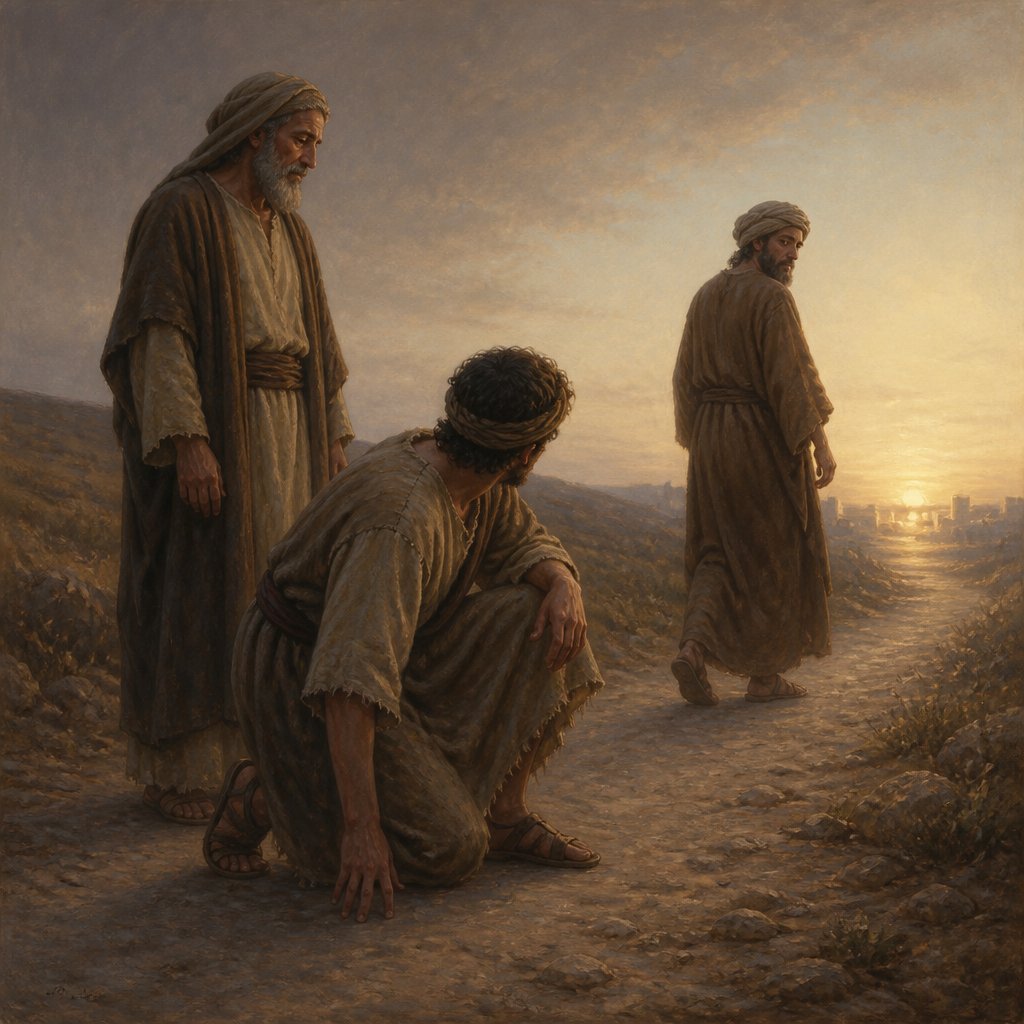
The book of Jeremiah is one of the prophetic books in the Old Testament of the Bible. Jeremiah was a prophet who lived in the late 7th and early 6th centuries BC, during a tumultuous time in the history of Israel. The verse Jeremiah 8:4 in the King James Version (KJV) reads: "Moreover thou shalt say unto them, Thus saith the Lord; Shall they fall, and not arise? shall he turn away, and not return?"
This verse comes in the context of Jeremiah's prophetic message to the people of Judah. The prophet is warning them about the impending judgment of God due to their disobedience and idolatry. Throughout the book of Jeremiah, the prophet repeatedly calls the people to repentance and warns them of the consequences of their sin. In this particular verse, Jeremiah is questioning the people about their ability to rise after falling and to return after turning away from God.
The theme of this verse revolves around the idea of repentance, forgiveness, and the opportunity for restoration. The imagery of falling and rising, turning away and returning, highlights the cyclical nature of human behavior and God's response to it. It speaks to the mercy and grace of God, who is always ready to forgive and restore those who sincerely repent and turn back to Him.
The context of this verse is important for understanding its significance. The people of Judah had forsaken the Lord and turned to idolatry, immorality, and social injustice. Despite the warnings of the prophets, they continued in their rebellion, believing that they would not face any consequences for their actions. Jeremiah's message confronts this false belief and presents the people with a choice - to continue in their stubbornness and face judgment, or to repent and experience God's mercy.
The symbolism in this verse is powerful and multilayered. The idea of falling and rising carries with it the concept of humility and restoration. It speaks to the human experience of sin and failure, as well as the hope for redemption and renewal. The turning away and returning symbolizes the act of repentance and the possibility of reconciliation with God.
Furthermore, the questioning tone of the verse emphasizes the incredulity of God at the people's stubbornness. It conveys a sense of urgency and invitation to reconsider their ways and return to the Lord. The use of "Thus saith the Lord" underscores the divine authority behind Jeremiah's words, highlighting the serious nature of the message.
Overall, Jeremiah 8:4 in the King James Version (KJV) carries a timeless message of hope, redemption, and the unchanging nature of God's mercy. It challenges the reader to examine their own hearts and consider the consequences of their actions. It also reminds us of the ever-present opportunity for forgiveness and restoration through sincere repentance. This verse serves as a call to return to the Lord, to seek His forgiveness, and to experience His grace and mercy.
Get our apps


Artwork for Jeremiah 8:4

Jeremiah 8:4 - "¶ Moreover thou shalt say unto them, Thus saith the LORD; Shall they fall, and not arise? shall he turn away, and not return?"
"¶ Moreover thou shalt say unto them, Thus saith the LORD; Shall they fall, and not arise? shall he turn away, and not return?" - Jeremiah 8:4

Jeremiah 4:8 - "For this gird you with sackcloth, lament and howl: for the fierce anger of the LORD is not turned back from us."

Jeremiah 43:8 - "¶ Then came the word of the LORD unto Jeremiah in Tahpanhes, saying,"
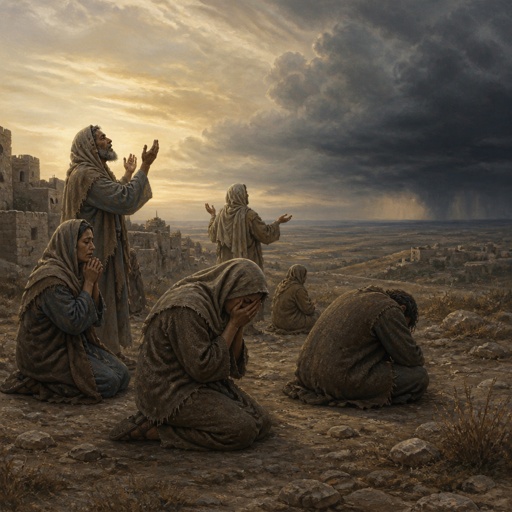
"For this gird you with sackcloth, lament and howl: for the fierce anger of the LORD is not turned back from us." - Jeremiah 4:8

Jeremiah 17:7-8

Jeremiah 17:7-8

Jeremiah 17:7-8

Jeremiah 17:7-8

Jeremiah 20:4

Jeremiah 37:4 - "Now Jeremiah came in and went out among the people: for they had not put him into prison."

Jeremiah 36:8 - "And Baruch the son of Neriah did according to all that Jeremiah the prophet commanded him, reading in the book the words of the LORD in the LORD'S house."

Jeremiah 13:8 - "Then the word of the LORD came unto me, saying,"

Jeremiah 8:20 - "The harvest is past, the summer is ended, and we are not saved."

Jeremiah 10:8 - "But they are altogether brutish and foolish: the stock is a doctrine of vanities."

"¶ Then came the word of the LORD unto Jeremiah in Tahpanhes, saying," - Jeremiah 43:8

Jeremiah 29: 4-14

Jeremiah 29: 4-14

Jeremiah 36:4 - "Then Jeremiah called Baruch the son of Neriah: and Baruch wrote from the mouth of Jeremiah all the words of the LORD, which he had spoken unto him, upon a roll of a book."

Jeremiah 29: 4-14

Jeremiah 29: 4-14

Jeremiah 29: 4-14

Jeremiah 8:8 - "How do ye say, We are wise, and the law of the LORD is with us? Lo, certainly in vain made he it; the pen of the scribes is in vain."

Jeremiah 7:8 - "¶ Behold, ye trust in lying words, that cannot profit."

Jeremiah 34:8 - "¶ This is the word that came unto Jeremiah from the LORD, after that the king Zedekiah had made a covenant with all the people which were at Jerusalem, to proclaim liberty unto them;"

Jeremiah 1:4 - "Then the word of the LORD came unto me, saying,"

Jeremiah 8:15 - "We looked for peace, but no good came; and for a time of health, and behold trouble!"

James 4:8

REVELATION 4:8

REVELATION 4:8