What does Job 11:11 mean?
“For he knoweth vain men: he seeth wickedness also; will he not then consider it?” — Job 11:11
Job 11:11 in the King James Version (KJV) reads, "For he knoweth vain men: he seeth wickedness also; will he not then consider it?"
This verse is part of a larger conversation between Job and his friends, specifically Zophar, who is responding to Job's lamentations about his suffering and questioning of God's justice. In this particular verse, Zophar is essentially asking Job if he thinks that God, who knows and sees everything, would not consider and ultimately judge the vain and wicked actions of men.
The verse encapsulates one of the central themes of the Book of Job, which is the age-old question of the problem of evil and suffering. Throughout the book, Job is depicted as a righteous man who suffers immensely despite his faithfulness to God. His friends, on the other hand, argue that his suffering must be a result of some sin or transgression on his part.
The verse from Zophar reflects this belief, as he is essentially suggesting that if God truly knows and sees everything, then he will certainly judge and address the wickedness and vanity of men. This perspective fits into the broader theological debate within the book about the nature of suffering and the righteousness of God.
The context of this verse is important to consider as well. Although Zophar's words are intended to be a rebuke of Job, they also contain a certain level of truth. Throughout the Bible, God is depicted as omniscient and omnipotent, seeing and knowing all things. This verse in particular serves as a reminder that God sees and knows the actions of mankind, and ultimately, there will be a reckoning for those who engage in wickedness and vanity.
The symbolism in this verse lies in the idea of God's omniscience and justice. The image of God knowing and seeing the actions of vain and wicked men is a powerful one, illustrating his authority and ability to ultimately judge and address the actions of humanity. This symbolizes the theme of divine justice and the belief that God will ultimately hold mankind accountable for their actions.
Furthermore, the verse also symbolizes the tension between human suffering and the righteousness of God. Zophar's words, while somewhat misguided in the context of Job's specific situation, reflect the broader theological belief that God's justice will ultimately be realized, despite the seemingly unjust suffering experienced by individuals like Job.
In conclusion, the verse Job 11:11 in the King James Version contains deep theological and philosophical themes about the nature of suffering, the righteousness of God, and the ultimately justice of divine judgment. It reflects the tension between human experience and the belief in a just and omniscient God. The symbolism in the verse serves to reinforce the belief in God's omniscience and justice, while also serving as a reminder of the complexity and depth of the human experience in relation to suffering and faith.
Get our apps


Artwork for Job 11:11

Job 11:11 - "For he knoweth vain men: he seeth wickedness also; will he not then consider it?"

"For he knoweth vain men: he seeth wickedness also; will he not then consider it?" - Job 11:11

Job 2:11-13

Job 2:11-13

Job 2:11-13

Job 11:1 - "Then answered Zophar the Naamathite, and said,"

Job 26:11 - "The pillars of heaven tremble and are astonished at his reproof."

Job 31:11 - "For this is an heinous crime; yea, it is an iniquity to be punished by the judges."

Job 22:11 - "Or darkness, that thou canst not see; and abundance of waters cover thee."

Job 15:11 - "Are the consolations of God small with thee? is there any secret thing with thee?"

Job 21:11 - "They send forth their little ones like a flock, and their children dance."

Job 12:11 - "Doth not the ear try words? and the mouth taste his meat?"

Job 11:9 - "The measure thereof is longer than the earth, and broader than the sea."

Job 14:11 - "As the waters fail from the sea, and the flood decayeth and drieth up:"

Job 27:11 - "I will teach you by the hand of God: that which is with the Almighty will I not conceal."

Job 36:11 - "If they obey and serve him, they shall spend their days in prosperity, and their years in pleasures."

Job 11:5 - "But oh that God would speak, and open his lips against thee;"

Job 11:2 - "Should not the multitude of words be answered? and should a man full of talk be justified?"

Job 24:11 - "Which make oil within their walls, and tread their winepresses, and suffer thirst."
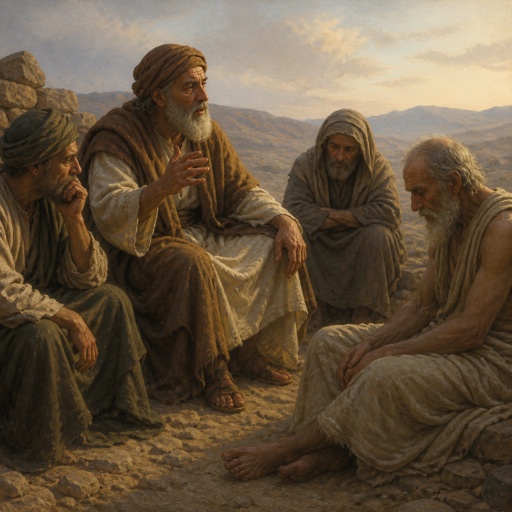
"Then answered Zophar the Naamathite, and said," - Job 11:1

Job 11:13 - "If thou prepare thine heart, and stretch out thine hands toward him;"

Job 16:11 - "God hath delivered me to the ungodly, and turned me over into the hands of the wicked."

Job 11:16 - "Because thou shalt forget thy misery, and remember it as waters that pass away:"

Job 4:11 - "The old lion perisheth for lack of prey, and the stout lion's whelps are scattered abroad."

Job 33:11 - "He putteth my feet in the stocks, he marketh all my paths."

Job 8:11 - "Can the rush grow up without mire? can the flag grow without water?"
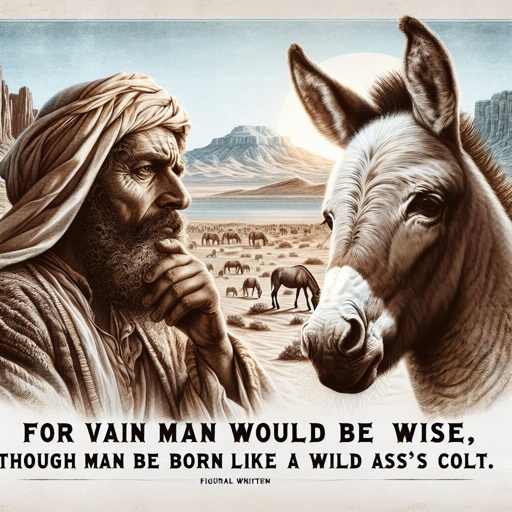
Job 11:12 - "For vain man would be wise, though man be born like a wild ass's colt."

Job 17:11 - "My days are past, my purposes are broken off, even the thoughts of my heart."
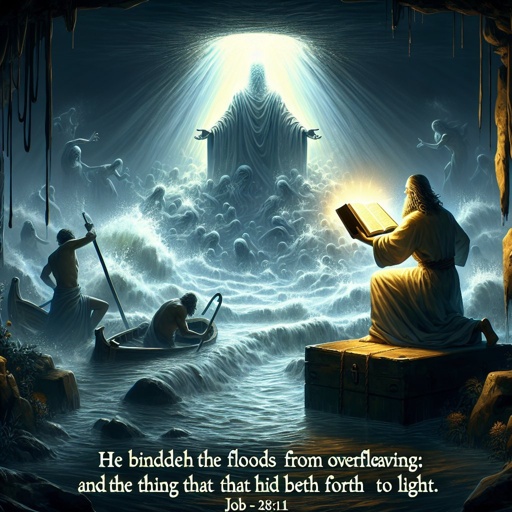
Job 28:11 - "He bindeth the floods from overflowing; and the thing that is hid bringeth he forth to light."

Job 5:11 - "To set up on high those that be low; that those which mourn may be exalted to safety."