What does Job 11:12 mean?
“For vain man would be wise, though man be born like a wild ass’s colt.” — Job 11:12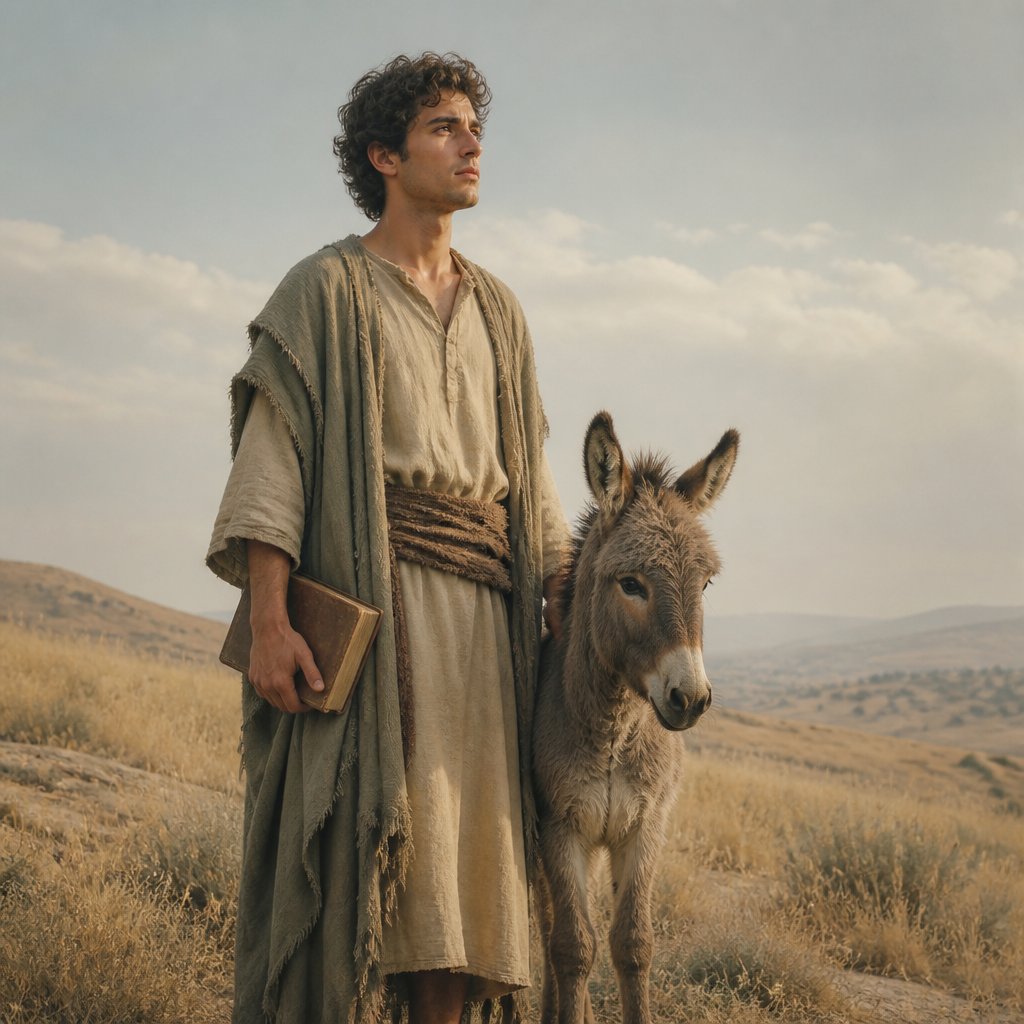
Job 11:12 - "For vain men would be wise, though man be born like a wild ass's colt."
This verse comes from the book of Job in the Old Testament, a book that is often regarded as a poetic masterpiece and a profound exploration of the nature of suffering and the human experience. The book of Job tells the story of a man who is righteous and blameless in the eyes of God, yet he is tested and afflicted by unimaginable suffering. Job's three friends come to comfort and counsel him, but their words often reveal their lack of understanding and empathy for Job's plight.
The verse in question is spoken by Zophar, one of Job's friends, as he responds to Job's lament and questions about the nature of his suffering. Zophar's words reflect the common belief in ancient Near Eastern cultures that suffering was a result of sin and that a person's prosperity or calamity was a direct reflection of their righteousness or wickedness. In this verse, Zophar is chastising Job for questioning the justice of his suffering and implying that he is being punished for his sins. He is essentially telling Job that his complaints and attempts to justify himself are vain and that he should accept his suffering as a deserved punishment.
The first part of the verse states, "For vain men would be wise." This can be interpreted as a warning against pride and arrogance, as Zophar suggests that Job's attempts to plead his case and question his suffering are the actions of a vain, prideful man. This reflects the theme of humility and submission to God's will that is prevalent throughout the book of Job. It also echoes the broader biblical theme of the dangers of human pride and the importance of trusting in God's wisdom and sovereignty.
The second part of the verse, "though man be born like a wild ass's colt," is a metaphorical comparison of humanity to a wild and untamed beast. This imagery emphasizes the unruly and untamed nature of humanity, highlighting our inherent sinful and rebellious tendencies. It suggests that humans are born with a wild and unmanageable nature, in need of discipline and restraint. This imagery is reminiscent of other biblical references to wild and untamed animals as symbols of human folly and sinfulness.
The verse as a whole reflects the broader themes of the book of Job, including the nature of suffering, the limitations of human wisdom, the sovereignty of God, and the importance of humility and submission. It serves as a reminder of the dangers of pride and self-righteousness, and the need to trust in God's wisdom and authority, even in the midst of suffering and confusion.
In terms of context, this verse is part of a larger speech by Zophar, in which he continues to rebuke and accuse Job of wrongdoing. Zophar, like Job's other friends, is convinced that Job's suffering is a result of his sin and that he must repent and seek God's forgiveness. However, the book of Job ultimately challenges this simplistic understanding of suffering and righteousness, as God Himself rebukes Job's friends for their lack of insight and understanding.
In conclusion, Job 11:12 is a verse that carries profound theological and moral implications, reflecting the broader themes of the book of Job and the biblical narrative as a whole. It serves as a cautionary reminder of the dangers of human pride and arrogance, and the need for humility and submission to God's will. It also reflects the complexity of the human experience and the limitations of human understanding, urging us to trust in God's wisdom and sovereignty, even in the face of suffering and confusion.
Get our apps


Artwork for Job 11:12
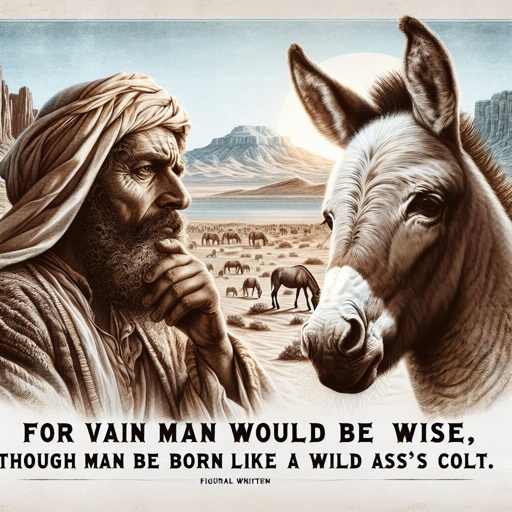
Job 11:12 - "For vain man would be wise, though man be born like a wild ass's colt."
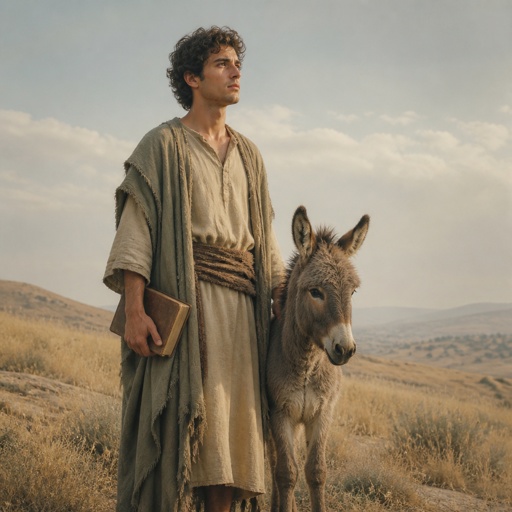
"For vain man would be wise, though man be born like a wild ass's colt." - Job 11:12

Job 12:11 - "Doth not the ear try words? and the mouth taste his meat?"
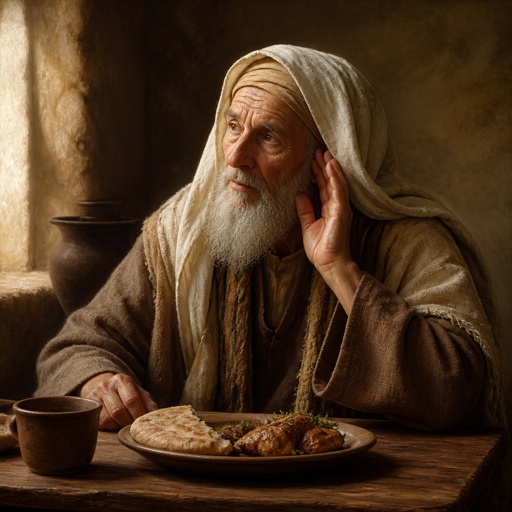
"Doth not the ear try words? and the mouth taste his meat?" - Job 12:11
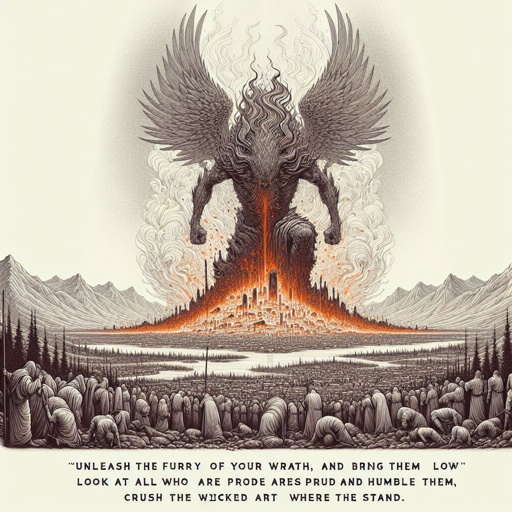
Job 40:11-12 - "Unleash the fury of your wrath, look at all who are proud and bring them low, look at all who are proud and humble them, crush the wicked where they stand."

Job 12:1 - "And Job answered and said,"

Job 12:12 - "With the ancient is wisdom; and in length of days understanding."

"And Job answered and said," - Job 12:1

John 1:1-2

John 1:1-2

John 1:1-2

John 1:1-2

John 1:1-2

Job 32:12 - "Yea, I attended unto you, and, behold, there was none of you that convinced Job, or that answered his words:"

Job 11:11 - "For he knoweth vain men: he seeth wickedness also; will he not then consider it?"

Job 2:11-13

Job 2:11-13

Job 2:11-13

Job 11:1 - "Then answered Zophar the Naamathite, and said,"

"With the ancient is wisdom; and in length of days understanding." - Job 12:12

Job 12:16 - "With him is strength and wisdom: the deceived and the deceiver are his."

Job 26:11 - "The pillars of heaven tremble and are astonished at his reproof."

Job 31:11 - "For this is an heinous crime; yea, it is an iniquity to be punished by the judges."

Job 21:12 - "They take the timbrel and harp, and rejoice at the sound of the organ."

Job 12:2 - "No doubt but ye are the people, and wisdom shall die with you."

Job 12:13 - "With him is wisdom and strength, he hath counsel and understanding."

Job 12:19 - "He leadeth princes away spoiled, and overthroweth the mighty."

Job 28:12 - "But where shall wisdom be found? and where is the place of understanding?"

Job 12:9 - "Who knoweth not in all these that the hand of the LORD hath wrought this?"

Job 17:12 - "They change the night into day: the light is short because of darkness."