What does Job 15:17 mean?
“I will shew thee, hear me; and that which I have seen I will declare;” — Job 15:17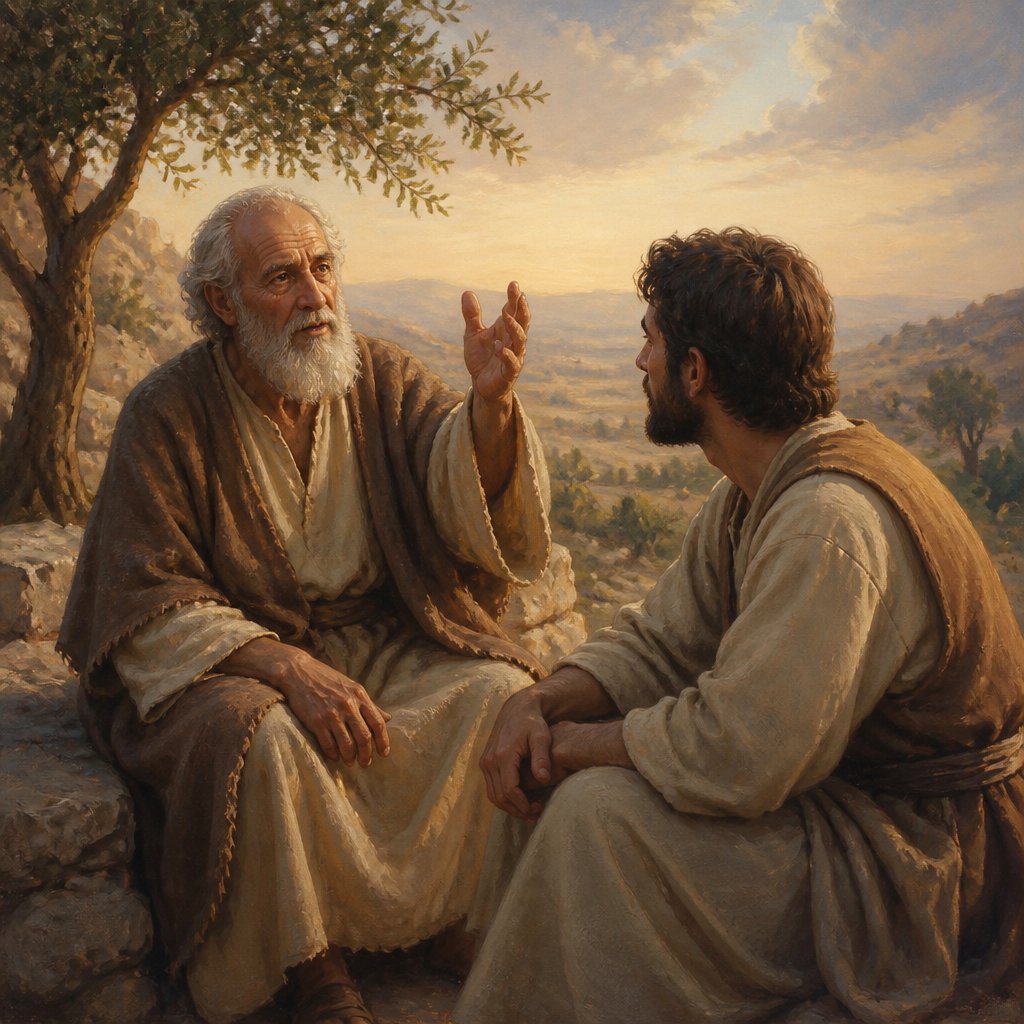
Job 15:17 in the King James Version of the Bible states, "I will shew thee, hear me; and that which I have seen I will declare." This verse comes from the Book of Job, which is a part of the Old Testament. The Book of Job tells the story of a man named Job who experiences a series of hardships and tests of faith, while also grappling with the age-old question of why bad things happen to good people. In this verse, Job's friend Eliphaz is speaking to him, expressing his intention to share his wisdom and insight with Job.
The context of Job 15:17 is crucial to understanding its meaning. In this chapter, Eliphaz is reproving Job for his belief that he is blameless and righteous in the eyes of God. Eliphaz accuses Job of speaking unprofitable words and asks him if he is the first man that was born or if he was made before the hills. He then challenges Job's wisdom and understanding, declaring that the old and wise would have insight to share, as in verse 17: "I will shew thee, hear me; and that which I have seen I will declare."
The theme of divine wisdom and human understanding is central to this verse. Eliphaz claims to possess knowledge and experience that he wants to share with Job. He is asserting his authority and capability to offer counsel, despite the fact that Job has endured significant suffering and grief. This verse also touches on the idea of wisdom being passed down from previous generations, suggesting that the old have valuable insight to offer the young.
The imagery in this verse is also significant. The act of "shewing" and "declaring" implies a deliberate and intentional sharing of knowledge. Eliphaz is presenting himself as a teacher, ready and willing to offer guidance and advice to Job. This imagery also conveys the notion of the importance of communication and sharing wisdom with others.
Furthermore, the verse can be seen as a reflection of the broader theme of the Book of Job, which grapples with the complexities of suffering, faith, and understanding God's will. Eliphaz's words reveal the human desire to comprehend the mysteries of life and to make sense of adversity. His intention to "declare" what he has seen suggests his confidence in his own understanding and his eagerness to impart it to Job.
Symbolically, this verse can be seen as a representation of the human experience of seeking wisdom and understanding. Eliphaz's offer to "shew" and "declare" what he has seen speaks to the universal impulse to learn from others and to make sense of the world around us. The verse can also be viewed as a reminder of the importance of seeking guidance and insight from those who have knowledge and experience.
In conclusion, Job 15:17 offers a glimpse into the dynamics of communication, wisdom, and understanding in the midst of personal suffering and questioning. The verse reflects the timeless human pursuit of knowledge and the willingness to share insights with others. Its rich imagery and thematic depth make it a compelling and thought-provoking passage within the Book of Job.
Get our apps


Artwork for Job 15:17

Job 15:17 - "I will shew thee, hear me; and that which I have seen I will declare;"
"I will shew thee, hear me; and that which I have seen I will declare;" - Job 15:17

Job 17:15 - "And where is now my hope? as for my hope, who shall see it?"
"And where is now my hope? as for my hope, who shall see it?" - Job 17:15

Job 42:17 - "So Job died, being old and full of days."

Job 15:15 - "Behold, he putteth no trust in his saints; yea, the heavens are not clean in his sight."

Job 15:1 - "Then answered Eliphaz the Temanite, and said,"

"So Job died, being old and full of days." - Job 42:17

Job 3:17 - "There the wicked cease from troubling; and there the weary be at rest."

Job 42:15 - "And in all the land were no women found so fair as the daughters of Job: and their father gave them inheritance among their brethren."

Job 17:12 - "They change the night into day: the light is short because of darkness."

Job 41:17 - "They are joined one to another, they stick together, that they cannot be sundered."

Job 17:2 - "Are there not mockers with me? and doth not mine eye continue in their provocation?"

Job 29:15 - "I was eyes to the blind, and feet was I to the lame."

Job 8:17 - "His roots are wrapped about the heap, and seeth the place of stones."

Job 12:17 - "He leadeth counsellors away spoiled, and maketh the judges fools."

Job 20:17 - "He shall not see the rivers, the floods, the brooks of honey and butter."

Job 16:17 - "Not for any injustice in mine hands: also my prayer is pure."

Job 13:17 - "Hear diligently my speech, and my declaration with your ears."

Genesis 17-15

Acts 17:15

Provers 15:17

Job 32:15 - "They were amazed, they answered no more: they left off speaking."

Job 3:15 - "Or with princes that had gold, who filled their houses with silver:"

Job 9:17 - "For he breaketh me with a tempest, and multiplieth my wounds without cause."

Job 17:1 - "My breath is corrupt, my days are extinct, the graves are ready for me."

Job 29:17 - "And I brake the jaws of the wicked, and plucked the spoil out of his teeth."

Job 28:17 - "The gold and the crystal cannot equal it: and the exchange of it shall not be for jewels of fine gold."

Genesis 15:17

Job 36:15 - "He delivereth the poor in his affliction, and openeth their ears in oppression."