What does Job 15:20 mean?
“The wicked man travaileth with pain all his days, and the number of years is hidden to the oppressor.” — Job 15:20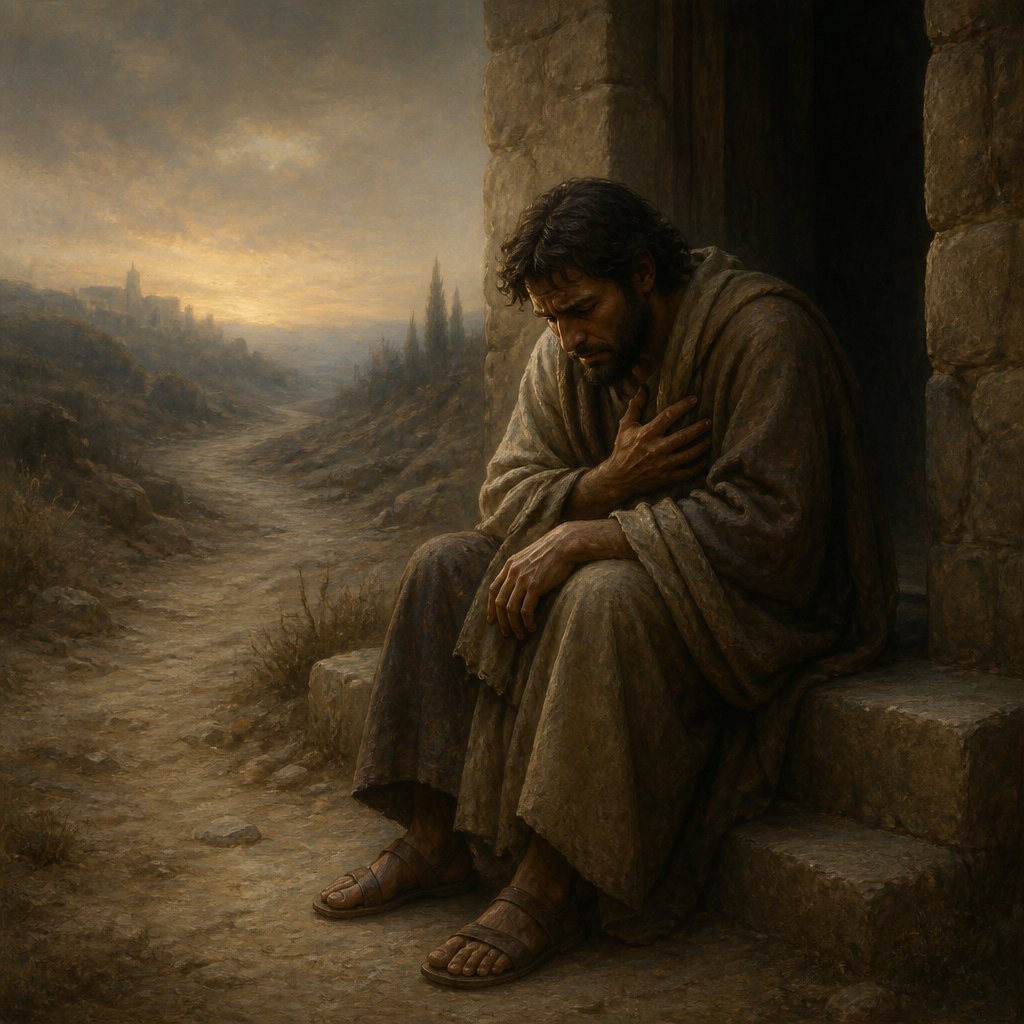
Job 15:20 in the King James Version of the Bible reads, "The wicked man travaileth with pain all his days, and the number of years is hidden to the oppressor." This verse is spoken by Eliphaz, one of Job's three friends who came to comfort him during his time of suffering and loss. The verse is part of a longer speech in which Eliphaz is addressing Job, and essentially accusing him of being a wicked man who is suffering because of his own sin and wrongdoing.
The book of Job is a complex and deeply philosophical work that addresses the age-old question of why bad things happen to good people. In this verse, Eliphaz is essentially espousing the traditional view of retributive justice, which is the idea that those who are wicked will suffer and be punished, while those who are righteous will be rewarded. He is suggesting that Job is experiencing pain and suffering as a result of his wickedness, and that the full extent of his punishment is yet to be revealed.
This verse can be seen as a reflection of the themes of suffering, judgment, and divine justice that run throughout the book of Job. It raises important questions about the nature of suffering and the reasons behind it, as well as the role of moral character and righteousness in the face of adversity.
The context of this verse is important to understanding its meaning and significance within the broader narrative of the book of Job. Eliphaz and the other friends who come to comfort Job are part of a larger debate that unfolds over the course of the book, as Job grapples with his suffering and tries to make sense of his situation. Eliphaz's words, and this verse in particular, represent a traditional and somewhat simplistic view of suffering and justice that is ultimately challenged and overturned by the end of the book.
The symbolism in this verse is also worth noting, particularly in the imagery of the "wicked man travaileth with pain all his days." This evocative language paints a vivid picture of the relentless and unending nature of the wicked man's suffering, suggesting a kind of ongoing torment and agony. This imagery serves to highlight the severity and intensity of the punishment that Eliphaz believes the wicked man deserves, and further underscores the gravity of the situation that Job finds himself in.
In considering the deeper meaning of this verse, it's important to recognize the broader theological and philosophical implications of the book of Job as a whole. The book ultimately challenges the traditional understanding of suffering and justice, and raises profound questions about the nature of God, the limits of human understanding, and the complexities of the human experience. Job's struggle to make sense of his suffering, and his ultimate encounter with the divine, leads to a deeper and more nuanced understanding of the nature of suffering and the ways in which it can be experienced and interpreted.
In conclusion, Job 15:20 in the King James Version of the Bible is a verse that captures the traditional view of retributive justice and the nature of suffering and punishment for the wicked. It is part of a larger debate and exploration of these themes within the book of Job, and ultimately serves to deepen our understanding of the complexities of human experience and the ways in which we seek to make sense of suffering and adversity. This verse, like the rest of the book of Job, challenges us to grapple with profound questions about the nature of God and the human condition, and invites us to wrestle with the mysteries of suffering and justice in the world.
Get our apps


Artwork for Job 15:20
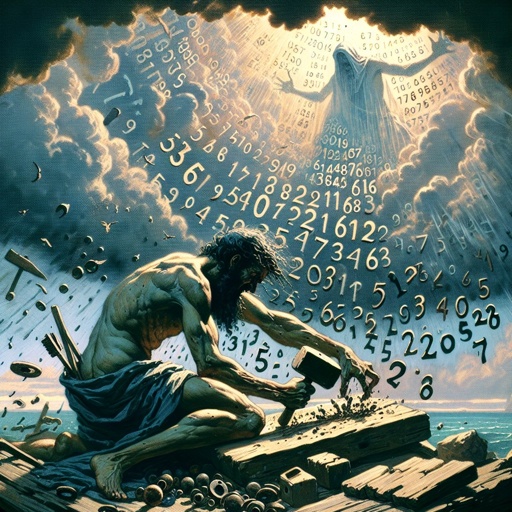
Job 15:20 - "The wicked man travaileth with pain all his days, and the number of years is hidden to the oppressor."

"The wicked man travaileth with pain all his days, and the number of years is hidden to the oppressor." - Job 15:20

Job 20:15 - "He hath swallowed down riches, and he shall vomit them up again: God shall cast them out of his belly."

Job 1:20

Job 1:20

Job 3:20-21 - "Job 3:20-21: Why is light given to those in misery, and life to the bitter of soul, to those who long for death that does not come, who search for it more than for hidden treasure?"

Job 1:20 - "Then Job arose, and rent his mantle, and shaved his head, and fell down upon the ground, and worshipped,"

Job 20:5 - "That the triumphing of the wicked is short, and the joy of the hypocrite but for a moment?"

Job 20:1 - "Then answered Zophar the Naamathite, and said,"

Job 20:20 - "Surely he shall not feel quietness in his belly, he shall not save of that which he desired."

Job 15:15 - "Behold, he putteth no trust in his saints; yea, the heavens are not clean in his sight."

Job 28:20 - "Whence then cometh wisdom? and where is the place of understanding?"

Job 15:1 - "Then answered Eliphaz the Temanite, and said,"

Job 42:15 - "And in all the land were no women found so fair as the daughters of Job: and their father gave them inheritance among their brethren."

Job 36:20 - "Desire not the night, when people are cut off in their place."

"He hath swallowed down riches, and he shall vomit them up again: God shall cast them out of his belly." - Job 20:15

Job 20:4 - "Knowest thou not this of old, since man was placed upon earth,"

Job 20:17 - "He shall not see the rivers, the floods, the brooks of honey and butter."

Job 29:15 - "I was eyes to the blind, and feet was I to the lame."

Genesis 15:20

Genesis 20-15

Job 4:20 - "They are destroyed from morning to evening: they perish for ever without any regarding it."

Job 3:20 - "Wherefore is light given to him that is in misery, and life unto the bitter in soul;"

Job 29:20 - "My glory was fresh in me, and my bow was renewed in my hand."

Job 22:20 - "Whereas our substance is not cut down, but the remnant of them the fire consumeth."

Job 33:20 - "So that his life abhorreth bread, and his soul dainty meat."

Job 32:15 - "They were amazed, they answered no more: they left off speaking."

Job 6:20 - "They were confounded because they had hoped; they came thither, and were ashamed."

Job 20:13 - "Though he spare it, and forsake it not; but keep it still within his mouth:"

Job 12:20 - "He removeth away the speech of the trusty, and taketh away the understanding of the aged."