What does Job 15:25 mean?
“For he stretcheth out his hand against God, and strengtheneth himself against the Almighty.” — Job 15:25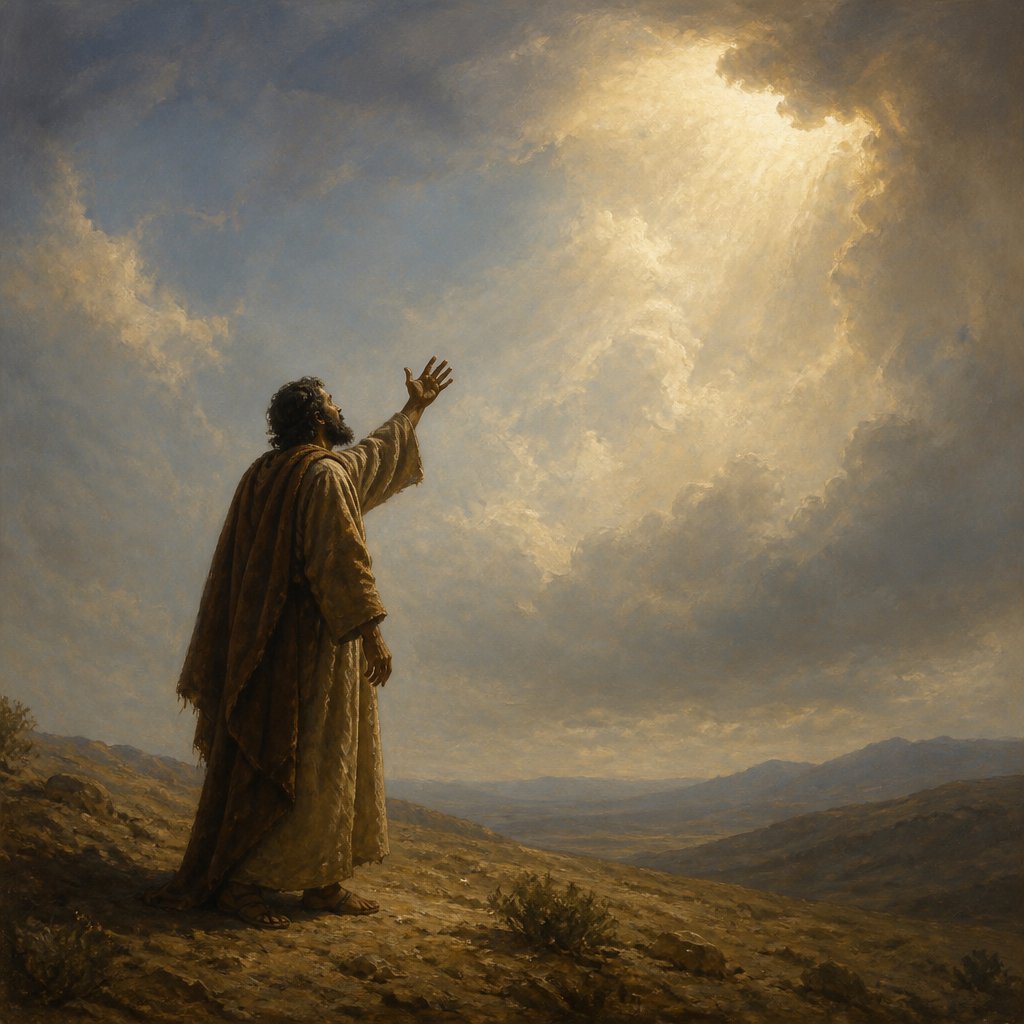
Job 15:25 (KJV) reads: "For he stretcheth out his hand against God, and strengtheneth himself against the Almighty."
This verse is part of a response from one of Job's friends, Eliphaz, to Job's lamentations. The book of Job is a complex and profound exploration of suffering, faith, and the nature of God. In this particular verse, Eliphaz accuses Job of sinning against God and rebelling against the Almighty.
The theme of the book of Job can be summed up as the age-old question of why bad things happen to good people. Job is a righteous man who suffers immense loss and physical affliction, and his friends come to comfort him. However, instead of providing comfort, they accuse him of hidden sin, believing that his suffering must be a result of some transgression against God.
In the context of Eliphaz's accusation, the verse reveals the misguided and limited human understanding of suffering and God's actions. Eliphaz, along with Job's other friends, mistakenly believe that suffering is always a consequence of sin. They cannot comprehend the idea that Job's suffering may have a higher purpose beyond their comprehension.
The symbolism in this verse lies in the imagery of "stretcheth out his hand against God." This expression suggests an act of defiance and rebellion against the ultimate authority. It conveys a sense of arrogance and presumption, as if one could challenge or oppose the Almighty. The imagery of "strengtheneth himself against the Almighty" reinforces this idea of a futile attempt to resist or overpower the divine.
This verse raises important questions about the nature of suffering and the human relationship with God. It challenges the simplistic view of suffering as solely a punishment for sin and highlights the limitations of human understanding in grappling with the mysteries of divine providence.
Ultimately, the book of Job doesn't provide easy answers to these questions. Instead, it invites readers to consider the complexities of human experience in relation to the divine. It reminds us that God's ways are far beyond our comprehension, and that suffering can serve a purpose that transcends our limited understanding.
In the larger context of the Bible, the book of Job can be seen as a prelude to the teachings of Jesus Christ. Jesus himself faced immense suffering and ultimately gave his life on the cross. His followers, too, endured persecution and hardship. The New Testament provides further insights into the nature of suffering and the ways in which it can lead to spiritual growth and an understanding of God's grace.
In conclusion, Job 15:25 is a verse that challenges our preconceived notions about suffering and the divine. It calls us to reflect on the limitations of our understanding and to acknowledge the mystery of God's ways. As we grapple with the complexities of life, this verse encourages us to approach suffering with humility and trust in the ultimate wisdom of the Almighty.
Get our apps


Artwork for Job 15:25

Job 15:25 - "For he stretcheth out his hand against God, and strengtheneth himself against the Almighty."
"For he stretcheth out his hand against God, and strengtheneth himself against the Almighty." - Job 15:25

Job 39:13-25

Job 25:1 - "Then answered Bildad the Shuhite, and said,"

Job 28:25 - "To make the weight for the winds; and he weigheth the waters by measure."

Genesis 25-15

Job 21:25 - "And another dieth in the bitterness of his soul, and never eateth with pleasure."

Job 15:15 - "Behold, he putteth no trust in his saints; yea, the heavens are not clean in his sight."

Job 30:25 - "Did not I weep for him that was in trouble? was not my soul grieved for the poor?"

Job 25:5 - "Behold even to the moon, and it shineth not; yea, the stars are not pure in his sight."

Job 36:25 - "Every man may see it; man may behold it afar off."

Job 6:25 - "How forcible are right words! but what doth your arguing reprove?"

Job 25:2 - "Dominion and fear are with him, he maketh peace in his high places."

Job 25:6 - "How much less man, that is a worm? and the son of man, which is a worm?"

Job 38:25 - "Who hath divided a watercourse for the overflowing of waters, or a way for the lightning of thunder;"

"Then answered Bildad the Shuhite, and said," - Job 25:1

Job 15:1 - "Then answered Eliphaz the Temanite, and said,"

Job 25:3 - "Is there any number of his armies? and upon whom doth not his light arise?"

Job 34:25 - "Therefore he knoweth their works, and he overturneth them in the night, so that they are destroyed."

Job 42:15 - "And in all the land were no women found so fair as the daughters of Job: and their father gave them inheritance among their brethren."

Job 9:25 - "Now my days are swifter than a post: they flee away, they see no good."

Job 22:25 - "Yea, the Almighty shall be thy defence, and thou shalt have plenty of silver."

Job 25:4 - "How then can man be justified with God? or how can he be clean that is born of a woman?"

Job 13:25 - "Wilt thou break a leaf driven to and fro? and wilt thou pursue the dry stubble?"

Job 41:25 - "When he raiseth up himself, the mighty are afraid: by reason of breakings they purify themselves."

Job 39:19-25 – "Do you give the horse its strength or clothe its neck with a flowing mane?"

Job 24:25 - "And if it be not so now, who will make me a liar, and make my speech nothing worth?"

Job 12:25 - "They grope in the dark without light, and he maketh them to stagger like a drunken man."

Mark 15:25 - "And it was the third hour, and they crucified him."

Job 19:25 - "For I know that my redeemer liveth, and that he shall stand at the latter day upon the earth:"