What does Job 17:13 mean?
“If I wait, the grave is mine house: I have made my bed in the darkness.” — Job 17:13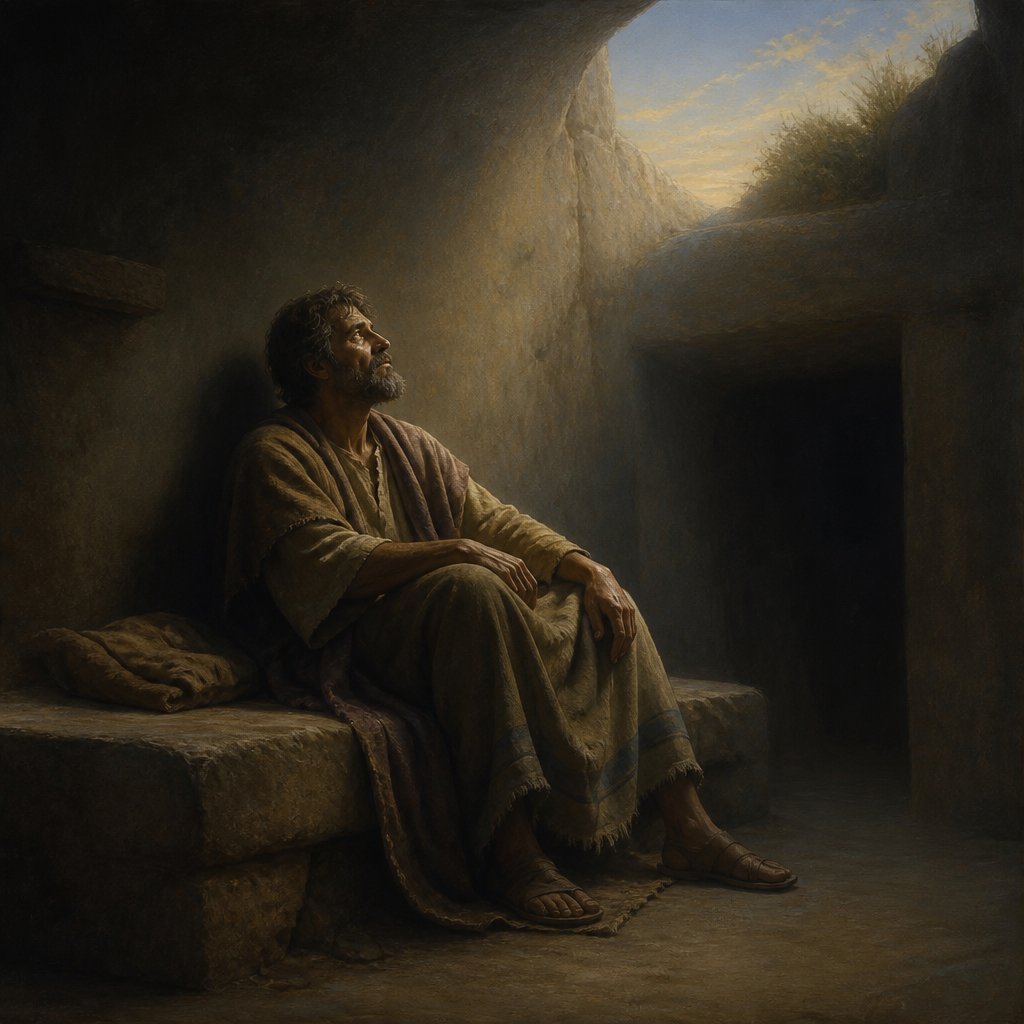
Job 17:13 (KJV) says, "If I wait, the grave is mine house: I have made my bed in the darkness."
The book of Job is an ancient piece of literature that deals with the problem of suffering and the nature of God. The central figure, Job, is described as a righteous man who experiences immense suffering, yet remains faithful to God. In chapter 17, Job expresses his despair and deep disillusionment with his situation. He feels abandoned by his friends, misunderstood by God, and surrounded by darkness and death.
The verse speaks to the overwhelming sense of hopelessness and despair that Job is experiencing. When he says, "If I wait, the grave is mine house," he is expressing his resignation to death. He feels that his only hope is to wait for death to come and take him to the grave. This reflects the depth of Job's suffering and his longing for relief from his pain.
The phrase "I have made my bed in the darkness" further emphasizes Job's deep sense of despair. It conveys the image of Job being enveloped in darkness and hopelessness. It speaks to the idea of being trapped in a situation with no way out, of being unable to see any light or hope for the future. Job feels that he has resigned himself to this darkness, that there is no escape from it.
The themes present in this verse are abundant and profoundly significant. One of the primary themes is the experience of suffering and despair. Job's situation is one of unrelenting pain, both physical and emotional. He feels abandoned, alone, and overwhelmed by darkness. This verse captures the depth of his despair and his sense of hopelessness.
Another theme is the inevitability of death. Job speaks of the grave as his house, implying that death is an inescapable reality. This reflects the universal human experience of mortality and the fear and despair that can accompany it. Job's words express the human struggle to come to terms with the reality of death and the overwhelming sense of powerlessness that it can bring.
The verse also speaks to the theme of faith and trust in God. Despite his despair, Job remains faithful to God, seeking solace and understanding in the midst of his suffering. This theme is central to the book of Job and speaks to the profound complexities of the human experience in relation to faith and suffering.
In terms of context, this verse comes in the midst of Job's lament and his expressions of deep despair. His friends, who have come to comfort him, have failed to bring him any relief. Job feels misunderstood and abandoned, and he is wrestling with profound questions about the nature of suffering and the character of God. In this context, the verse serves as a powerful expression of Job's emotions and his struggle to find meaning and hope in the midst of his suffering.
Symbolism is also present in this verse. The darkness and the grave symbolize the depth of Job's suffering and his longing for escape. They also symbolize the broader human experience of despair and hopelessness. The image of making a bed in the darkness symbolizes the idea of being resigned to despair, of being trapped in a situation with no way out.
In conclusion, Job 17:13 (KJV) is a powerful and poignant expression of despair and hopelessness in the face of suffering. It captures the depth of Job's emotional and spiritual turmoil and speaks to universal themes of suffering, death, faith, and the human experience. It is a verse that resonates deeply with the human condition and continues to offer profound insights into the nature of suffering and the complexities of faith.
Get our apps


Artwork for Job 17:13

Job 17:13 - "If I wait, the grave is mine house: I have made my bed in the darkness."
"If I wait, the grave is mine house: I have made my bed in the darkness." - Job 17:13

Job 13:17 - "Hear diligently my speech, and my declaration with your ears."
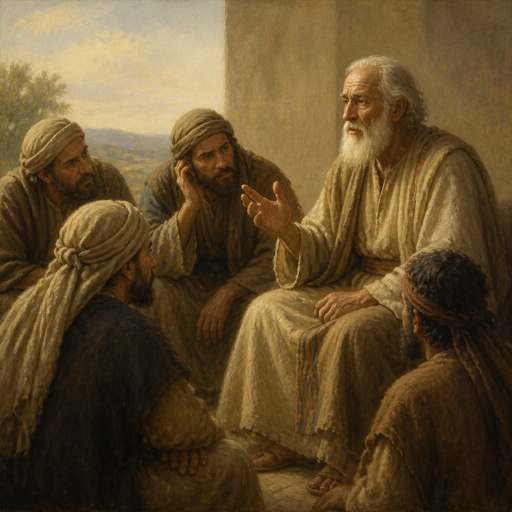
"Hear diligently my speech, and my declaration with your ears." - Job 13:17

Job 42:17 - "So Job died, being old and full of days."

Job 2:11-13

Job 39:13-25

"So Job died, being old and full of days." - Job 42:17

Job 3:17 - "There the wicked cease from troubling; and there the weary be at rest."

Job 2:11-13

Job 2:11-13

Job 17:12 - "They change the night into day: the light is short because of darkness."

Job 41:17 - "They are joined one to another, they stick together, that they cannot be sundered."

Job 17:2 - "Are there not mockers with me? and doth not mine eye continue in their provocation?"

Job 13:13 - "Hold your peace, let me alone, that I may speak, and let come on me what will."

Job 8:17 - "His roots are wrapped about the heap, and seeth the place of stones."

Job 12:17 - "He leadeth counsellors away spoiled, and maketh the judges fools."

Job 20:17 - "He shall not see the rivers, the floods, the brooks of honey and butter."

Job 16:17 - "Not for any injustice in mine hands: also my prayer is pure."

Genesis 46:13 - "¶ And the sons of Issachar; Tola, and Phuvah, and Job, and Shimron."

Job 17:15 - "And where is now my hope? as for my hope, who shall see it?"

Job 9:17 - "For he breaketh me with a tempest, and multiplieth my wounds without cause."

Job 17:1 - "My breath is corrupt, my days are extinct, the graves are ready for me."

Job 29:17 - "And I brake the jaws of the wicked, and plucked the spoil out of his teeth."

Job 28:17 - "The gold and the crystal cannot equal it: and the exchange of it shall not be for jewels of fine gold."

Job 12:13 - "With him is wisdom and strength, he hath counsel and understanding."

Job 13:7 - "Will ye speak wickedly for God? and talk deceitfully for him?"

Job 42:13 - "He had also seven sons and three daughters."

Job 40:13 - "Hide them in the dust together; and bind their faces in secret."

Job 13:4 - "But ye are forgers of lies, ye are all physicians of no value."