What does Job 18:19 mean?
“He shall neither have son nor nephew among his people, nor any remaining in his dwellings.” — Job 18:19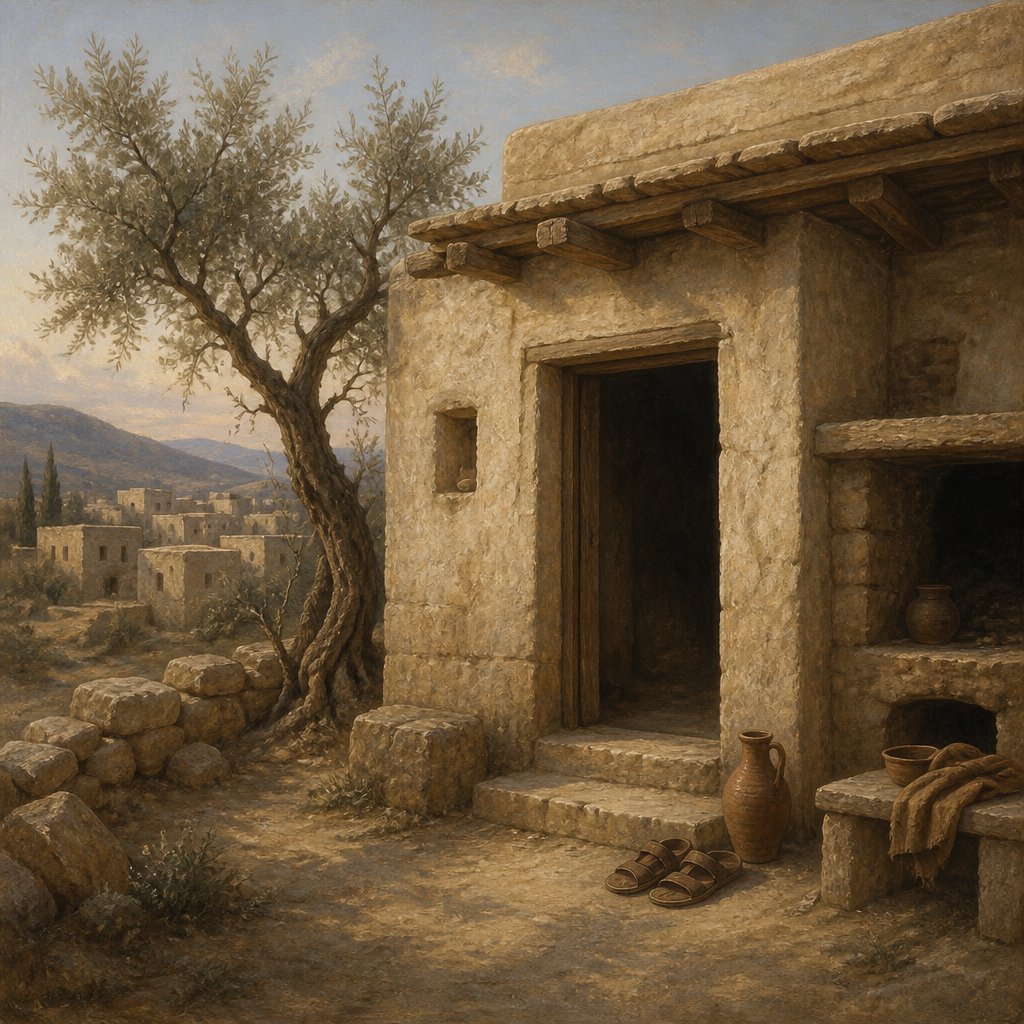
Job 18:19 in the King James Version of the Bible reads, "He shall neither have son nor nephew among his people, nor any remaining in his dwellings." This verse is part of the speech given by Bildad the Shuhite as he responds to Job's lamentations and questions about his suffering. Bildad's speech is filled with accusations and warnings, aiming to convince Job that his suffering is a result of his own sin.
In order to understand the meaning and commentary of this verse, it is important to consider the context in which it is found. The book of Job is a complex and profound exploration of human suffering, faith, and the nature of God. Job, a righteous and prosperous man, experiences a series of devastating trials and losses, including the deaths of his children and the onset of a painful and disfiguring illness. Job's friends, including Bildad, come to offer him comfort and counsel, but they end up challenging and accusing him instead.
Bildad's speech, including the verse in question, reflects the worldview of the time in which he lived. In Bildad's eyes, a person's prosperity and blessings were seen as evidence of their righteousness and favor with God, while suffering and misfortune were interpreted as indicators of sin and God's judgment. Bildad assumes that Job's suffering is a direct result of his own wrongdoing, and he uses this verse to reinforce that viewpoint.
The specific words of the verse convey a sense of finality and condemnation. The declaration that "He shall neither have son nor nephew among his people" suggests a complete severing of family and lineage, a harsh punishment that would have been deeply significant in the cultural and religious context of the time. To be left without descendants was seen as a great tragedy, and it also carried implications of being forgotten and abandoned, both in this life and in the afterlife. In addition, the phrase "nor any remaining in his dwellings" reinforces the idea of total destruction and loss, leaving no hope for restoration or continuity.
However, it is important to note that Job's suffering and the theological questions it raises are at the heart of the book. While Bildad's words reflect a common belief of his time, the broader narrative of Job ultimately challenges and subverts these assumptions. The book of Job wrestles with the complexities of human experience, the enigma of suffering, and the limitations of human understanding. Job's story forces the reader to grapple with questions of justice, the nature of God, and the mystery of divine providence.
From a broader theological perspective, the verse in Job 18:19 can be seen as a part of the overall dialogue about the relationship between human behavior and divine judgment. It raises questions about the nature of suffering and the reasons behind it. Job's friends, including Bildad, offer one perspective that links suffering directly to personal sin, but the overarching narrative of the book moves beyond this simplistic understanding. Ultimately, the book of Job challenges us to reconsider our assumptions and recognize the limitations of our understanding when it comes to the ways of God.
In conclusion, Job 18:19 in the King James Version of the Bible is a part of Bildad's accusatory speech to Job, reflecting the common belief of his time that suffering is directly linked to personal sin. The verse conveys a sense of finality and condemnation, depicting a complete severing of family and lineage, as well as a total destruction and loss. However, it is important to interpret this verse within the broader context of the book of Job, which provides a more complex and profound exploration of human suffering, faith, and the nature of God. Ultimately, Job's story challenges simplistic explanations for suffering and calls us to wrestle with deeper theological questions about the nature of God and the mystery of divine providence.
Get our apps


Artwork for Job 18:19

Job 18-19

Job 18:19 - "He shall neither have son nor nephew among his people, nor any remaining in his dwellings."
"He shall neither have son nor nephew among his people, nor any remaining in his dwellings." - Job 18:19

Job 19:18 - "Yea, young children despised me; I arose, and they spake against me."
"Yea, young children despised me; I arose, and they spake against me." - Job 19:18

Job 19:1 - "Then Job answered and said,"

"Then Job answered and said," - Job 19:1

Job 11:18-19 - "And thou shalt be secure, because there is hope; yea, thou shalt dig about thee, and thou shalt take thy rest in safety. Also thou shalt lie down, and none shall make thee afraid; yea, many shall make suit unto thee."

Job 18:18 - "He shall be driven from light into darkness, and chased out of the world."

Job 19:19 - "All my inward friends abhorred me: and they whom I loved are turned against me."

Job 18:1 - "Then answered Bildad the Shuhite, and said,"

Luke 10:18-19

Luke 13:18-19

Luke 10:18-19

Luke 10:18-19

Luke 13:18-19

Job 8:19 - "Behold, this is the joy of his way, and out of the earth shall others grow."

Luke 10:18-19

Luke 10:18-19

Luke 10:18-19

Job 3:19 - "The small and great are there; and the servant is free from his master."

Job 12:19 - "He leadeth princes away spoiled, and overthroweth the mighty."

Job 22:19 - "The righteous see it, and are glad: and the innocent laugh them to scorn."

Job 19:24 - "That they were graven with an iron pen and lead in the rock for ever!"

Genesis 18-19

Job 3:18 - "There the prisoners rest together; they hear not the voice of the oppressor."

Job 18:10 - "The snare is laid for him in the ground, and a trap for him in the way."

Job 6:19 - "The troops of Tema looked, the companies of Sheba waited for them."

Genesis 19-18

Job 6:18 - "The paths of their way are turned aside; they go to nothing, and perish."