What does Job 18:20 mean?
“They that come after him shall be astonied at his day, as they that went before were affrighted.” — Job 18:20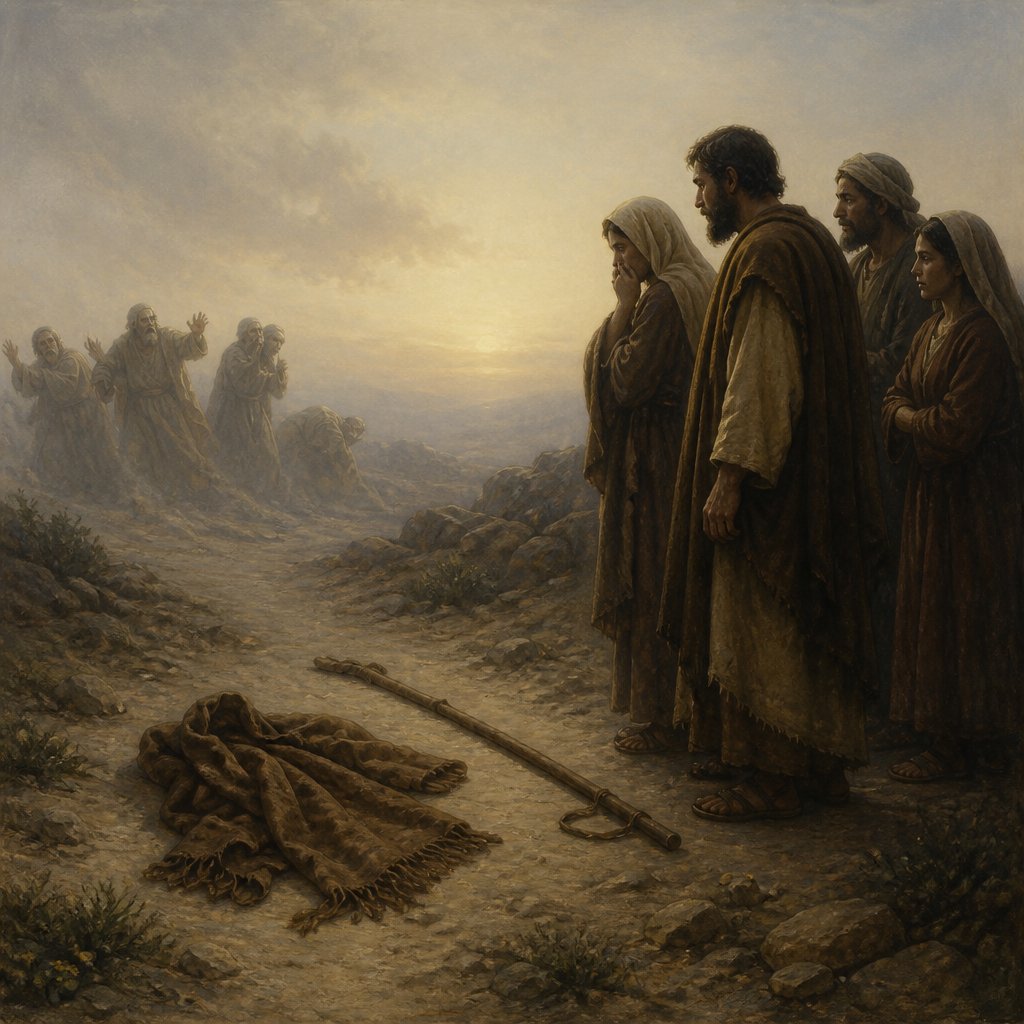
Job 18:20 in the King James Version reads, "They that come after him shall be astonied at his day, as they that went before were affrighted."
This verse is part of a conversation between Job and his friend, Bildad, who is responding to Job's laments about his suffering and questioning of God's justice. Bildad is trying to convince Job that his suffering is a result of his own sins and that he should repent and seek God's mercy. In this particular verse, Bildad is describing the fate of the wicked, whom he believes Job must be, and the terror and awe that will befall them on the day of judgment.
The verse is rich in symbolism and conveys themes of judgment, fear, and the consequences of sin. Bildad uses vivid imagery to paint a picture of the fate of the wicked, emphasizing the fear and astonishment that will overtake them on the day of reckoning. The use of language like "astonied" and "affrighted" serves to underscore the magnitude of the terror that will be experienced by those who come after the wicked.
The context of this verse is important for understanding its meaning. Job is a book in the Old Testament that deals with the age-old question of why the righteous suffer. Job, a righteous and blameless man, undergoes immense suffering, losing his wealth, family, and health. His friends, including Bildad, come to comfort him but end up challenging his faith and righteousness. Bildad's argument is that suffering is the result of sin, and he urges Job to repent and seek God's forgiveness.
The verse reflects a common belief in ancient Israelite culture that the wicked would ultimately be judged and punished by God. The imagery of being "astonied at his day" conveys the sudden and overwhelming nature of the wicked's judgment, as they are confronted with the consequences of their actions. The use of the word "affrighted" further emphasizes the fear and dread that will grip them on that day. This imagery serves as a powerful warning to Job, as Bildad uses it to caution him about the potential consequences of his supposed sins.
The verse also has broader implications in terms of the human experience and the nature of justice. It raises questions about the relationship between sin and suffering, and the idea of divine judgment. It reflects a common belief in many religious and cultural traditions that there are consequences for one's actions and that ultimately, justice will prevail. In this sense, the verse speaks to the universal themes of accountability, redemption, and the search for meaning in the face of suffering.
In conclusion, Job 18:20 is a powerful and evocative verse that conveys themes of judgment, fear, and the consequences of sin. It uses vivid imagery and symbolism to depict the fate of the wicked and serves as a cautionary tale for Job. The verse is part of a larger conversation about the nature of suffering and the search for justice, and it resonates with timeless questions about human experience and the divine. As such, it continues to be a source of reflection and contemplation for readers seeking to understand the complexities of faith and the human condition.
Get our apps


Artwork for Job 18:20

Job 18:20 - "They that come after him shall be astonied at his day, as they that went before were affrighted."
"They that come after him shall be astonied at his day, as they that went before were affrighted." - Job 18:20
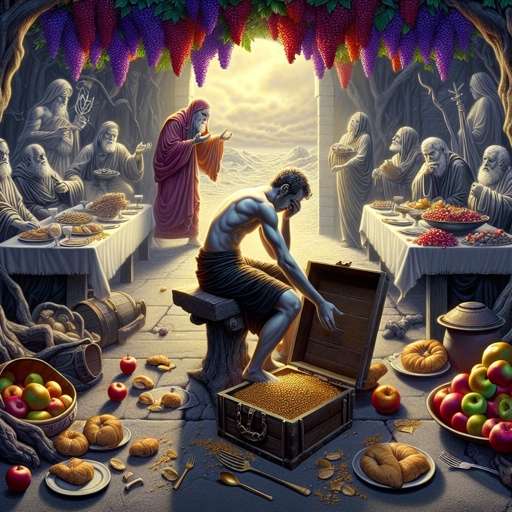
Job 20:18 - "That which he laboured for shall he restore, and shall not swallow it down: according to his substance shall the restitution be, and he shall not rejoice therein."

Job 1:20

Job 1:20

Job 18:18 - "He shall be driven from light into darkness, and chased out of the world."

Job 18-19

Job 3:20-21 - "Job 3:20-21: Why is light given to those in misery, and life to the bitter of soul, to those who long for death that does not come, who search for it more than for hidden treasure?"

Job 1:20 - "Then Job arose, and rent his mantle, and shaved his head, and fell down upon the ground, and worshipped,"

Job 20:5 - "That the triumphing of the wicked is short, and the joy of the hypocrite but for a moment?"

Job 20:1 - "Then answered Zophar the Naamathite, and said,"

Job 20:20 - "Surely he shall not feel quietness in his belly, he shall not save of that which he desired."

Job 18:1 - "Then answered Bildad the Shuhite, and said,"

Job 28:20 - "Whence then cometh wisdom? and where is the place of understanding?"
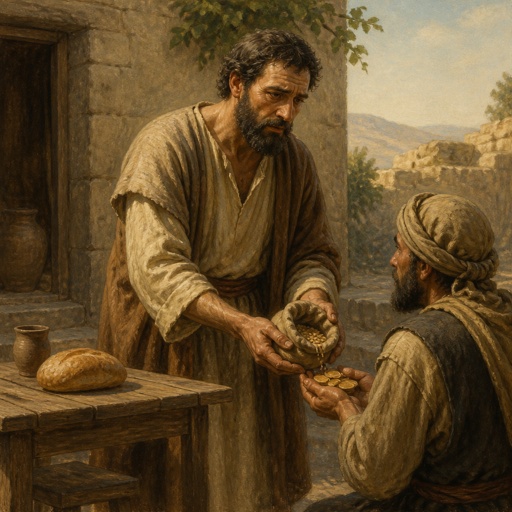
"That which he laboured for shall he restore, and shall not swallow it down: according to his substance shall the restitution be, and he shall not rejoice therein." - Job 20:18

Job 36:20 - "Desire not the night, when people are cut off in their place."

Matthew 18:20

Genesis 20-18

Genesis 18-20

Matthew 18:20

Matthew 18:20

Job 3:18 - "There the prisoners rest together; they hear not the voice of the oppressor."

Job 18:10 - "The snare is laid for him in the ground, and a trap for him in the way."

Job 20:4 - "Knowest thou not this of old, since man was placed upon earth,"

Job 20:17 - "He shall not see the rivers, the floods, the brooks of honey and butter."

Job 6:18 - "The paths of their way are turned aside; they go to nothing, and perish."

Job 21:18 - "They are as stubble before the wind, and as chaff that the storm carrieth away."

Job 12:18 - "He looseth the bond of kings, and girdeth their loins with a girdle."

Job 18:21 - "Surely such are the dwellings of the wicked, and this is the place of him that knoweth not God."

Job 18:3 - "Wherefore are we counted as beasts, and reputed vile in your sight?"