What does Job 19:28 mean?
“But ye should say, Why persecute we him, seeing the root of the matter is found in me?” — Job 19:28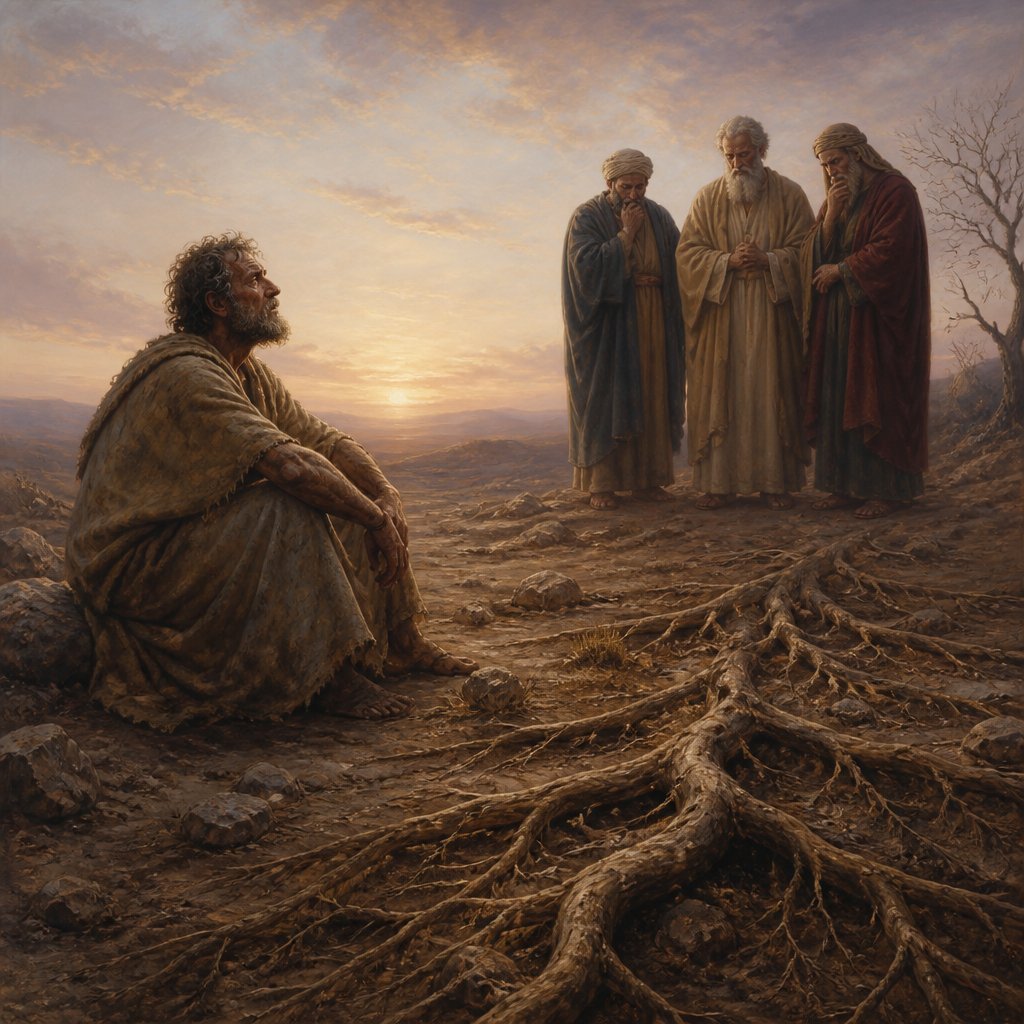
Job 19:28 (KJV) states: "But ye should say, Why persecute we him, seeing the root of the matter is found in me?"
This verse comes from the book of Job in the Old Testament. The book of Job is a complex and profound exploration of suffering, faith, and the nature of God. It tells the story of a man named Job who experiences immense suffering and loss, yet remains faithful to God despite his hardship. The verse in question comes from a section in which Job is lamenting his suffering and expressing his desire for his words to be recorded for future generations to read and understand.
The verse can be interpreted in multiple ways, and it holds several layers of meaning. At its core, it speaks to the theme of personal responsibility and self-reflection. The words "seeing the root of the matter is found in me" indicate that Job is acknowledging his own role in the trials he is facing. He is encouraging those around him to examine their actions and motivations, and to consider their culpability in his suffering. This verse demonstrates Job's deep introspection and his search for understanding in the midst of his adversity.
The context of this verse is crucial to understanding its significance. Job is in the midst of a profound crisis, having lost his wealth, his children, and his health. His friends have come to offer their support, but they end up engaging in a debate with Job about the nature of suffering and the justice of God. Job, in his anguish, is grappling with questions that have troubled humanity for centuries: Why do the righteous suffer? Where is God in the midst of pain and loss? The verse reflects Job's search for meaning and his desire to find a resolution to the suffering he is enduring.
The symbolism in this verse lies in the metaphor of the "root of the matter." The root represents the underlying cause or source of Job's suffering. By acknowledging that the root is found in himself, Job is recognizing that his own actions and choices may have contributed to his current plight. This symbolic imagery prompts readers to consider the roots of their own challenges and to engage in self-examination.
The verse also touches on the theme of persecution. Job is questioning why he is being persecuted, even though he believes that he has not committed any grave sin that would justify his suffering. His words highlight the injustice that he perceives in his situation and his plea for others to recognize the truth of his innocence.
In a broader theological sense, this verse can be seen as a reflection of the concept of retribution theology, which posits that suffering is a direct result of sin. Job's words challenge this perspective, as he maintains his innocence and calls into question the simplistic idea that suffering is always a consequence of personal wrongdoing.
In conclusion, Job 19:28 (KJV) is a poignant and thought-provoking verse that delves into the complexities of suffering, justice, and personal responsibility. Its themes of introspection, persecution, and the search for meaning resonate with readers across time and cultures. The verse encapsulates the profound depth of the book of Job and its enduring relevance in addressing the fundamental questions of human existence.
Get our apps


Artwork for Job 19:28

Job 19:28 - "But ye should say, Why persecute we him, seeing the root of the matter is found in me?"
"But ye should say, Why persecute we him, seeing the root of the matter is found in me?" - Job 19:28

Job 28:19 - "The topaz of Ethiopia shall not equal it, neither shall it be valued with pure gold."

"The topaz of Ethiopia shall not equal it, neither shall it be valued with pure gold." - Job 28:19

Job 28:3

Job 30:28

Job 30:28

Job 30:28

Job 19:1 - "Then Job answered and said,"

Job 30:28

Job 28:3

Job 28:3

Job 30:28

Job 28:28 - "And unto man he said, Behold, the fear of the Lord, that is wisdom; and to depart from evil is understanding."

"Then Job answered and said," - Job 19:1

Ezekiel 28:11-19

Ezekiel 28:11-19

Ezekiel 28:11-19

Ezekiel 28:11-19

Ezekiel 28:11-19

Ezekiel 28:11-19

Job 28:20 - "Whence then cometh wisdom? and where is the place of understanding?"

matthew 28:19

Genesis 28-19

matthew 28:19

Genesis 19-28

Job 28:14 - "The depth saith, It is not in me: and the sea saith, It is not with me."

Job 28:6 - "The stones of it are the place of sapphires: and it hath dust of gold."

Luke 19:28

Job 28:1 - "Surely there is a vein for the silver, and a place for gold where they fine it."