What does Job 20:15 mean?
“He hath swallowed down riches, and he shall vomit them up again: God shall cast them out of his belly.” — Job 20:15
Job 20:15 from the King James Version of the Bible states, "He hath swallowed down riches, and he shall vomit them up again: God shall cast them out of his belly." This verse is a part of a larger passage in the book of Job, which is a dialogue between Job and his friends, discussing the nature of God and the reasons for Job's suffering.
In this particular verse, Job's friend Zophar is describing the fate of the wicked. He paints a vivid picture of a person who has acquired wealth through deceit and corruption, only to ultimately lose it all in a manner that is both violent and disgraceful. The metaphor of swallowing and vomiting is used to illustrate the fleeting nature of ill-gotten gains and the inevitable retribution that awaits those who have strayed from the path of righteousness.
The theme of this verse is the consequences of greed and dishonesty. Zophar is warning against the pursuit of material wealth at the expense of one's moral and spiritual well-being. He is emphasizing the belief that God will ultimately hold the wicked accountable for their actions, and their ill-gotten gains will be taken from them in a dramatic and humiliating manner.
The context of this verse is important for understanding its significance within the larger narrative of the book of Job. Job is a righteous man who undergoes immense suffering, and his friends are attempting to offer their perspectives on why this is happening to him. Zophar's words reflect the common belief in the ancient world that prosperity was a sign of divine favor and that misfortune was a punishment for sin. However, his simplistic and judgmental view of suffering does not take into account the complexity of human experience and the mysterious ways of God.
Symbolism plays a significant role in this verse, as the imagery of swallowing and vomiting conveys a sense of revulsion and disgust. The process of swallowing riches represents the act of acquiring wealth through deceit and exploitation, while the act of vomiting them up again symbolizes the eventual loss and rejection of these ill-gotten gains. This vivid and visceral imagery serves to underscore the moral repugnance of dishonesty and the inevitability of divine justice.
Overall, Job 20:15 is a powerful and evocative verse that serves as a cautionary tale about the dangers of greed and corruption. It reminds us of the transient nature of material wealth and the importance of living with integrity and righteousness. While the context of Job's suffering and his friends' attempts to understand it may be specific to the biblical narrative, the broader themes of this verse—such as the consequences of dishonesty and the certainty of divine justice—remain relevant and thought-provoking for people of all faiths and backgrounds.
Get our apps


Artwork for Job 20:15

Job 20:15 - "He hath swallowed down riches, and he shall vomit them up again: God shall cast them out of his belly."

"He hath swallowed down riches, and he shall vomit them up again: God shall cast them out of his belly." - Job 20:15
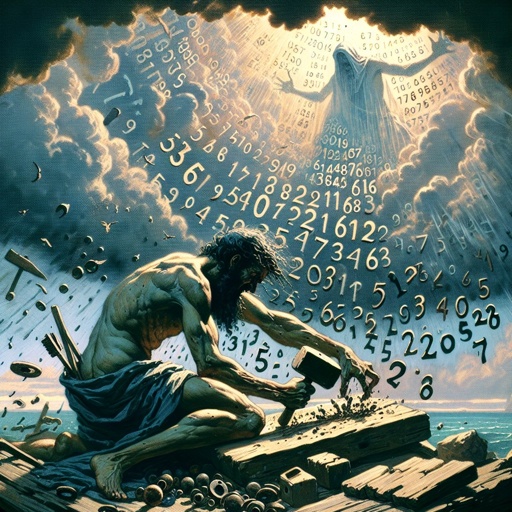
Job 15:20 - "The wicked man travaileth with pain all his days, and the number of years is hidden to the oppressor."

"The wicked man travaileth with pain all his days, and the number of years is hidden to the oppressor." - Job 15:20

Job 1:20

Job 1:20

Job 3:20-21 - "Job 3:20-21: Why is light given to those in misery, and life to the bitter of soul, to those who long for death that does not come, who search for it more than for hidden treasure?"

Job 1:20 - "Then Job arose, and rent his mantle, and shaved his head, and fell down upon the ground, and worshipped,"

Job 20:5 - "That the triumphing of the wicked is short, and the joy of the hypocrite but for a moment?"

Job 20:1 - "Then answered Zophar the Naamathite, and said,"

Job 20:20 - "Surely he shall not feel quietness in his belly, he shall not save of that which he desired."

Job 15:15 - "Behold, he putteth no trust in his saints; yea, the heavens are not clean in his sight."

Job 28:20 - "Whence then cometh wisdom? and where is the place of understanding?"

Job 15:1 - "Then answered Eliphaz the Temanite, and said,"

Job 42:15 - "And in all the land were no women found so fair as the daughters of Job: and their father gave them inheritance among their brethren."

Job 36:20 - "Desire not the night, when people are cut off in their place."

Job 20:4 - "Knowest thou not this of old, since man was placed upon earth,"

Job 20:17 - "He shall not see the rivers, the floods, the brooks of honey and butter."

Job 29:15 - "I was eyes to the blind, and feet was I to the lame."

Genesis 15:20

Genesis 20-15

Job 4:20 - "They are destroyed from morning to evening: they perish for ever without any regarding it."

Job 3:20 - "Wherefore is light given to him that is in misery, and life unto the bitter in soul;"

Job 29:20 - "My glory was fresh in me, and my bow was renewed in my hand."

Job 22:20 - "Whereas our substance is not cut down, but the remnant of them the fire consumeth."

Job 33:20 - "So that his life abhorreth bread, and his soul dainty meat."

Job 32:15 - "They were amazed, they answered no more: they left off speaking."

Job 6:20 - "They were confounded because they had hoped; they came thither, and were ashamed."

Job 20:13 - "Though he spare it, and forsake it not; but keep it still within his mouth:"

Job 12:20 - "He removeth away the speech of the trusty, and taketh away the understanding of the aged."