What does Job 20:27 mean?
“The heaven shall reveal his iniquity; and the earth shall rise up against him.” — Job 20:27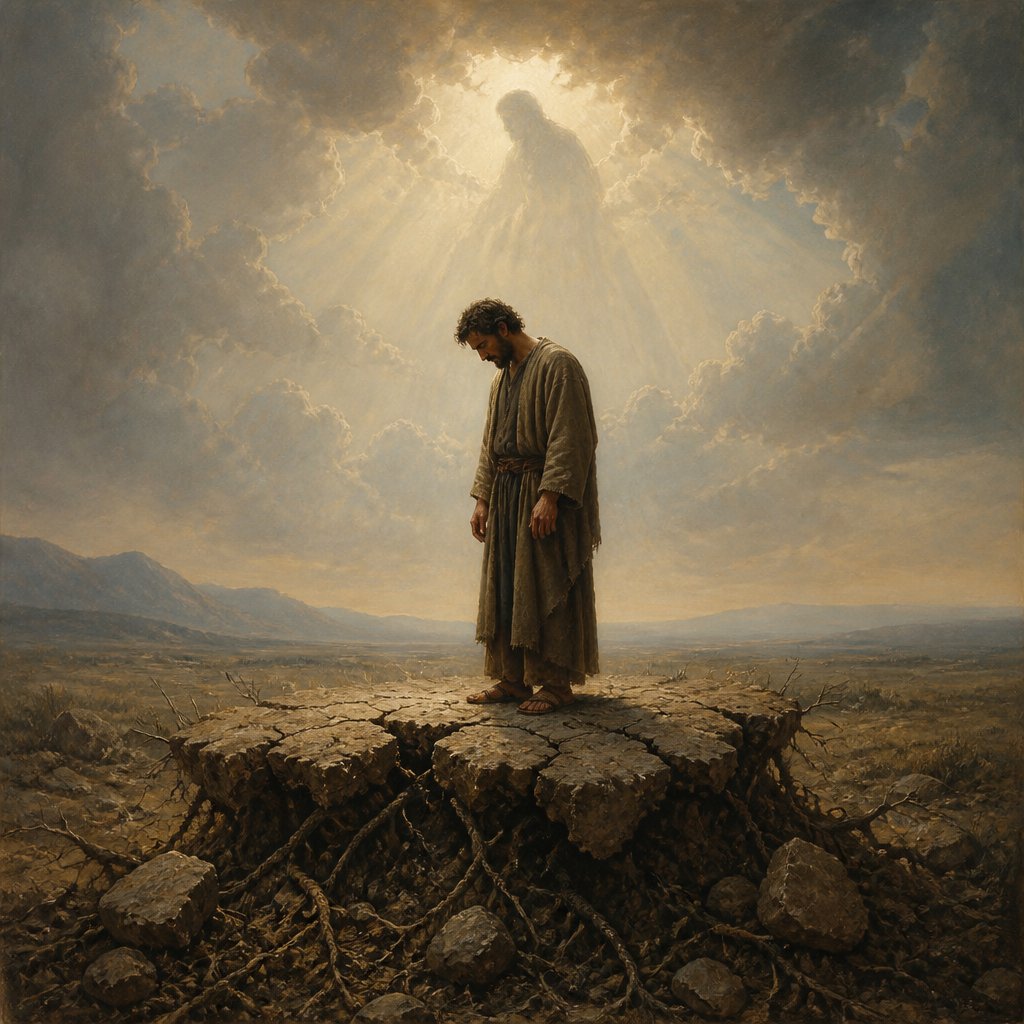
Job 20:27 (KJV) states, "The heaven shall reveal his iniquity; and the earth shall rise up against him."
This verse comes from the Book of Job, which is one of the poetic books in the Old Testament. The Book of Job tells the story of a righteous man named Job who is tested by God through various trials and tribulations. Job's friends, including Zophar, accuse him of having committed some great sin that has caused God's punishment to befall him. Job, however, maintains his integrity and wrestles with the question of why a just God would allow suffering to come upon a righteous person.
The verse in question is part of a speech given by Zophar in response to Job's lamentations and just before Job's reply. In this verse, Zophar is painting a picture of the certainty of divine retribution for the wicked. He is asserting that regardless of the wicked person's attempts to hide their iniquity, it will eventually be revealed and the very elements of heaven and earth will testify against them.
The use of the term "heaven" in this verse refers to the celestial realm, which is often associated with God's dwelling place and his omniscience. This suggests that God is aware of the iniquities committed and will eventually bring them to light. The idea that the heavens reveal iniquity aligns with the biblical concept of divine judgment and the belief that God sees and knows all things, including the hidden sinfulness of the heart.
The mention of "the earth" rising up against the wicked is symbolic of the natural order being disrupted by the wrongdoings of mankind. This implies a sense of justice, as if the earth itself is rebelling against the corruption and injustice perpetuated by the wicked. It can also be interpreted as a metaphor for the consequences of sin affecting not only individuals but also the world around them.
In a broader context, this verse reflects the theme of divine justice in the face of human suffering and moral ambiguity. Zophar's words convey a belief in the absolute righteousness of God and the inevitability of punishment for the wicked. This theme is central to the discourse between Job and his friends, as they grapple with the question of why the righteous suffer and the apparent prosperity of the wicked.
The verse also serves as a warning about the futility of trying to hide one's sins. Despite the attempts of the wicked to conceal their wrongdoing, the truth will inevitably come to light. This aligns with the broader biblical teaching that emphasizes the importance of honesty, confession, and repentance as the path to redemption and reconciliation with God.
In terms of symbolism, the mention of heaven and earth revealing iniquity can also be interpreted as a representation of the universality of God's judgment. No corner of creation is beyond the reach of divine scrutiny, and ultimately, all will be held accountable for their actions.
In conclusion, Job 20:27 (KJV) conveys a message of divine justice, accountability, and the inevitability of consequences for wrongdoing. It speaks to the overarching themes of the book of Job, addressing the fundamental questions of suffering, righteousness, and the nature of God's justice. The verse serves as a reminder of the importance of living with integrity and the futility of trying to evade the consequences of sin. It also offers a powerful portrayal of the universal scope of divine judgment, emphasizing that every aspect of creation is subject to God's righteous rule and scrutiny.
Get our apps


Artwork for Job 20:27

Job 20:27 - "The heaven shall reveal his iniquity; and the earth shall rise up against him."
"The heaven shall reveal his iniquity; and the earth shall rise up against him." - Job 20:27

Job 27:20 - "Terrors take hold on him as waters, a tempest stealeth him away in the night."
"Terrors take hold on him as waters, a tempest stealeth him away in the night." - Job 27:20

Job 27:1 - "Moreover Job continued his parable, and said,"

Job 27:6

"Moreover Job continued his parable, and said," - Job 27:1

Job 1:20

Job 1:20

Exodus 27:20

Exodus 27:20

John 20:27

Exodus 27:20

John 20:27

Job 41:27 - "He esteemeth iron as straw, and brass as rotten wood."

Job 3:20-21 - "Job 3:20-21: Why is light given to those in misery, and life to the bitter of soul, to those who long for death that does not come, who search for it more than for hidden treasure?"

Job 30:27 - "My bowels boiled, and rested not: the days of affliction prevented me."

Job 1:20 - "Then Job arose, and rent his mantle, and shaved his head, and fell down upon the ground, and worshipped,"

Exodus 27:19-20

Job 20:5 - "That the triumphing of the wicked is short, and the joy of the hypocrite but for a moment?"

Job 27:18 - "He buildeth his house as a moth, and as a booth that the keeper maketh."

Job 6:27 - "Yea, ye overwhelm the fatherless, and ye dig a pit for your friend."

Job 27:11 - "I will teach you by the hand of God: that which is with the Almighty will I not conceal."

Job 27:3 - "All the while my breath is in me, and the spirit of God is in my nostrils;"

Job 20:1 - "Then answered Zophar the Naamathite, and said,"

Job 20:20 - "Surely he shall not feel quietness in his belly, he shall not save of that which he desired."

Job 27:10 - "Will he delight himself in the Almighty? will he always call upon God?"

Job 27:9 - "Will God hear his cry when trouble cometh upon him?"

Job 27:14 - "If his children be multiplied, it is for the sword: and his offspring shall not be satisfied with bread."

Job 27:16 - "Though he heap up silver as the dust, and prepare raiment as the clay;"