What does Job 21:29 mean?
“Have ye not asked them that go by the way? and do ye not know their tokens,” — Job 21:29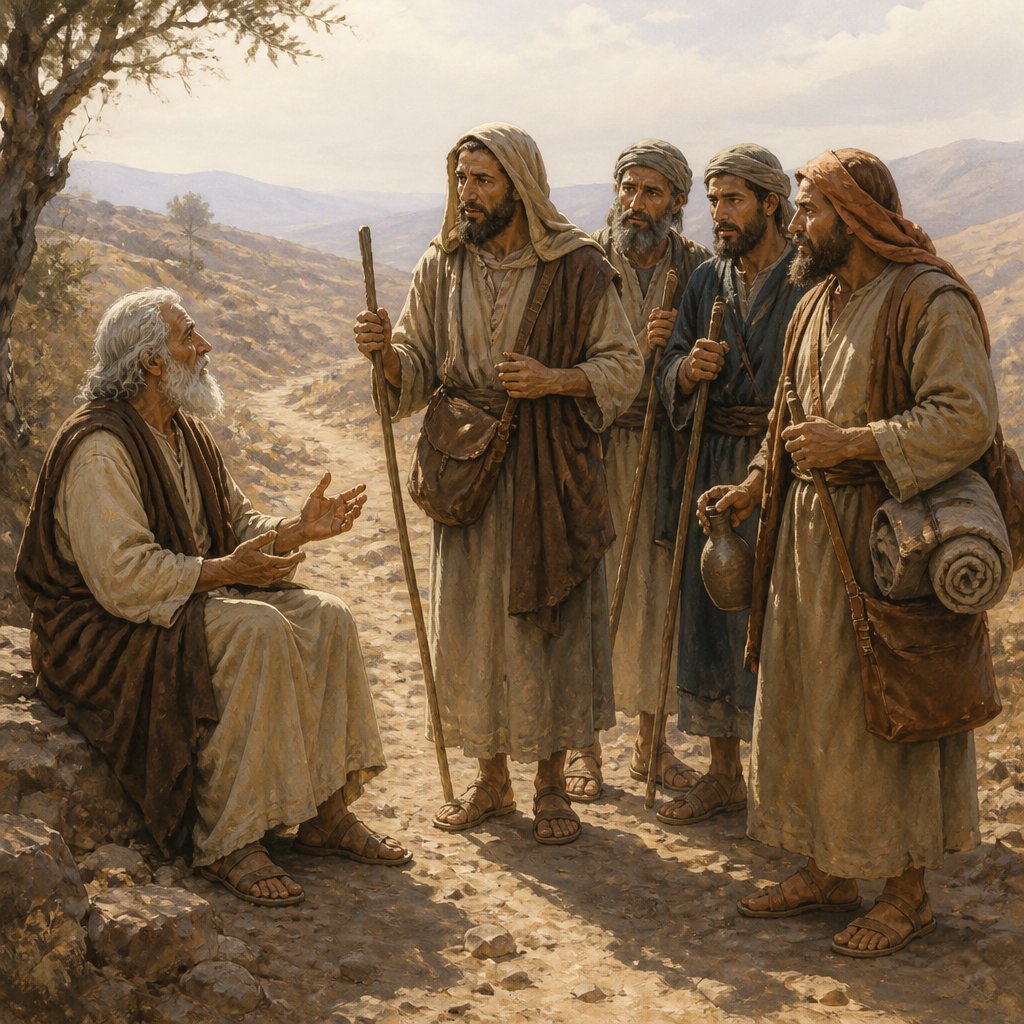
Job 21:29 (KJV) reads, "Have ye not asked them that go by the way? and do ye not know their tokens?" This verse is part of a larger dialogue between Job and his friends, in which they are discussing the suffering of the wicked and the prosperity of the righteous. Job's friends believe that the wicked will eventually be punished for their actions, while Job argues that this is not always the case. In this particular verse, Job is asking his friends if they have not observed the ways of the world and considered the signs and symbols that they have seen.
To truly understand the meaning and context of this verse, it is important to have a grasp of the overall story of Job. Job was a righteous man who faced immense suffering, losing his wealth, his children, and even his health. His friends come to comfort him but end up engaging in debates about the significance of his suffering. Job's friends, influenced by the traditional wisdom of their time, maintain that the righteous are always rewarded and the wicked are always punished. Job, on the other hand, questions this wisdom, insisting that his suffering is not due to his own wrongdoing.
In this verse, Job is challenging his friends' understanding of the world. He asks them if they have not observed the signs and symbols that are present in the world around them. "Them that go by the way" refers to travelers or people passing by, and "their tokens" refers to the signs and symbols that they observe. Job is essentially saying, "Have you not paid attention to the world and its ways? Have you not noticed the evidence that contradicts your rigid beliefs about the punishment of the wicked and the reward of the righteous?"
This verse speaks to the broader theme of wisdom and understanding in the book of Job. Job's friends are seen as representing traditional wisdom, while Job represents a more complex and nuanced understanding of the world. Job's questioning of his friends' beliefs reflects his willingness to challenge conventional wisdom and seek deeper truths about the nature of suffering and righteousness.
The symbolism in this verse lies in the imagery of travelers and the signs and symbols they encounter on their journey. In ancient times, travelers relied on various symbols and markers to navigate their way and interpret the world around them. Job is drawing on this imagery to emphasize the importance of paying attention to the signs and symbols in the world. These signs and symbols may hold deeper truths and insights that challenge our preconceived notions and beliefs.
In a broader sense, this verse can be seen as a call to pay attention to the complexity and mystery of the world. It encourages us to look beyond simplistic explanations and to consider the multifaceted nature of human experience. Just as travelers interpret the signs and symbols they encounter on their journey, we are called to interpret and understand the world in all its complexity and depth.
In conclusion, Job 21:29 from the King James Version challenges us to question our assumptions and look for deeper truths in the world around us. It reminds us to pay attention to the signs and symbols that are present in our lives and to seek a more nuanced understanding of human experience. This verse is a powerful reminder of the importance of wisdom, discernment, and a willingness to engage with the complexities of life.
Get our apps


Artwork for Job 21:29

Job 21:29 - "Have ye not asked them that go by the way? and do ye not know their tokens,"
"Have ye not asked them that go by the way? and do ye not know their tokens," - Job 21:29

Job 29:21 - "Unto me men gave ear, and waited, and kept silence at my counsel."
"Unto me men gave ear, and waited, and kept silence at my counsel." - Job 29:21

Job 29:1 - "Moreover Job continued his parable, and said,"

Job 21:1 - "But Job answered and said,"

"Moreover Job continued his parable, and said," - Job 29:1

Genesis 21-29

Job 9:29 - "If I be wicked, why then labour I in vain?"

"But Job answered and said," - Job 21:1

Job 29:15 - "I was eyes to the blind, and feet was I to the lame."

Job 30:29 - "I am a brother to dragons, and a companion to owls."

Job 29:9 - "The princes refrained talking, and laid their hand on their mouth."

Job 1:21

Job 41:29 - "Darts are counted as stubble: he laugheth at the shaking of a spear."

Job 29:10 - "The nobles held their peace, and their tongue cleaved to the roof of their mouth."

Job 33:29 - "Lo, all these things worketh God oftentimes with man,"

Job 1:21

Job 29:23 - "And they waited for me as for the rain; and they opened their mouth wide as for the latter rain."

Job 3:20-21 - "Job 3:20-21: Why is light given to those in misery, and life to the bitter of soul, to those who long for death that does not come, who search for it more than for hidden treasure?"

Job 29:14 - "I put on righteousness, and it clothed me: my judgment was as a robe and a diadem."

Job 36:29 - "Also can any understand the spreadings of the clouds, or the noise of his tabernacle?"

Job 29:20 - "My glory was fresh in me, and my bow was renewed in my hand."

Job 29:24 - "If I laughed on them, they believed it not; and the light of my countenance they cast not down."

Job 29:17 - "And I brake the jaws of the wicked, and plucked the spoil out of his teeth."

Job 29:4 - "As I was in the days of my youth, when the secret of God was upon my tabernacle;"

Job 29:5 - "When the Almighty was yet with me, when my children were about me;"

Job 29:8 - "The young men saw me, and hid themselves: and the aged arose, and stood up."

Job 20:29 - "This is the portion of a wicked man from God, and the heritage appointed unto him by God."

Job 29:16 - "I was a father to the poor: and the cause which I knew not I searched out."