What does Job 21:30 mean?
“That the wicked is reserved to the day of destruction? they shall be brought forth to the day of wrath.” — Job 21:30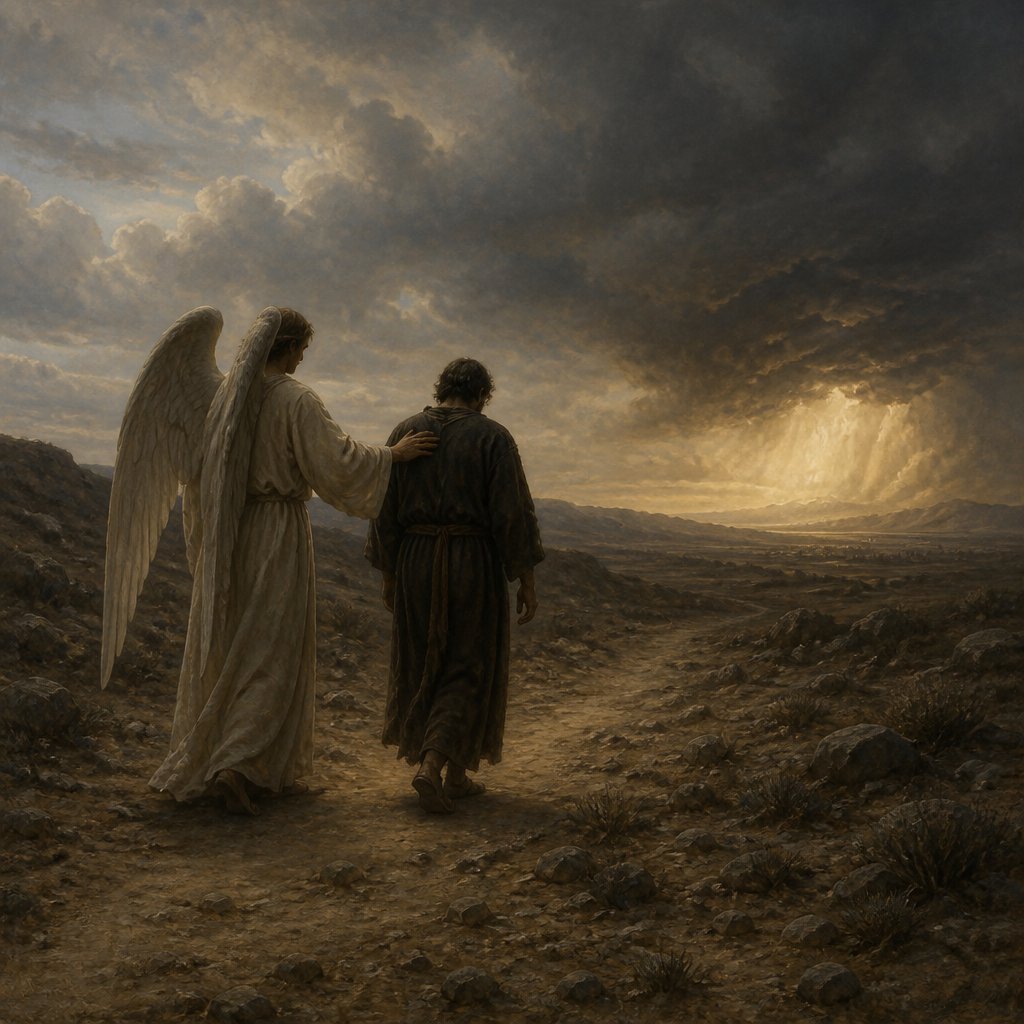
Job 21:30 in the King James Version of the Bible states, "That the wicked is reserved to the day of destruction? they shall be brought forth to the day of wrath."
This verse is part of a larger portion of the book of Job in which Job is responding to his friends who are trying to convince him that his suffering is a result of his own sins. In this chapter, Job is refuting their arguments by pointing out the apparent prosperity and ease of life of the wicked. In verse 7, he says, "Wherefore do the wicked live, become old, yea, are mighty in power?" The verse in question, Job 21:30, is part of Job's continued argument that the wicked seemingly go unpunished in this life.
The meaning of this verse is rooted in the belief that God is just and righteous, and that ultimately, the wicked will face judgment and punishment for their actions. In this context, Job is questioning the apparent lack of immediate repercussions for the wicked and affirming his belief in a future day of reckoning. The "day of destruction" and "day of wrath" refer to a future time when the wicked will face the consequences of their evil deeds.
The theme of justice and righteousness is central to this verse. Job is grappling with the apparent discrepancy between the wicked's prosperity and their lack of suffering in this life. He is holding on to his belief that ultimately, God's justice will prevail, and that the wicked will not escape judgment. This theme is woven throughout the book of Job, as he wrestles with the concept of suffering and questions the fairness of God's actions.
Another theme present in this verse is the idea of divine retribution. Job is asserting that the wicked will not go unpunished, but will be brought forth to face the consequences of their actions. This belief in divine retribution is foundational to many religious and moral systems, and it serves as a warning to those who would engage in wickedness or oppression.
The context of this verse is important in understanding its significance. Job is speaking from a place of deep suffering and personal loss, and his friends are attempting to convince him that his suffering is a result of his own sin. Job, however, is grappling with the larger question of why the wicked seemingly prosper while he, a righteous man, is experiencing such intense suffering. This verse is part of his response to their arguments, as he asserts his belief in a future day of reckoning for the wicked.
The symbolism in this verse is found in the imagery of the reserved day of destruction and wrath. This language conveys the idea of a future event, a time when the wicked will no longer escape the consequences of their actions. It serves as a powerful reminder of the ultimate accountability that all people will face, and the justice that will be meted out in the end.
In conclusion, Job 21:30 is a verse that addresses the themes of justice, righteousness, and divine retribution. It conveys Job's belief in a future day of reckoning for the wicked, and his assertion that despite appearances, God's justice will ultimately prevail. The context of Job's suffering and his struggle to reconcile the apparent prosperity of the wicked with his own intense suffering adds depth to the meaning of this verse. The symbolism of the reserved day of destruction and wrath reinforces the message of ultimate accountability and justice. This verse serves as a powerful reminder of the belief in a just and righteous God who ultimately holds all people accountable for their actions.
Get our apps


Artwork for Job 21:30

Job 21:30 - "That the wicked is reserved to the day of destruction? they shall be brought forth to the day of wrath."
"That the wicked is reserved to the day of destruction? they shall be brought forth to the day of wrath." - Job 21:30
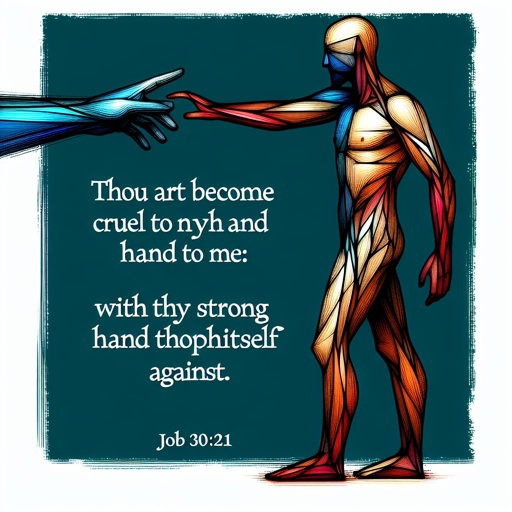
Job 30:21 - "Thou art become cruel to me: with thy strong hand thou opposest thyself against me."

Job 30:30 - "My skin is black upon me, and my bones are burned with heat."
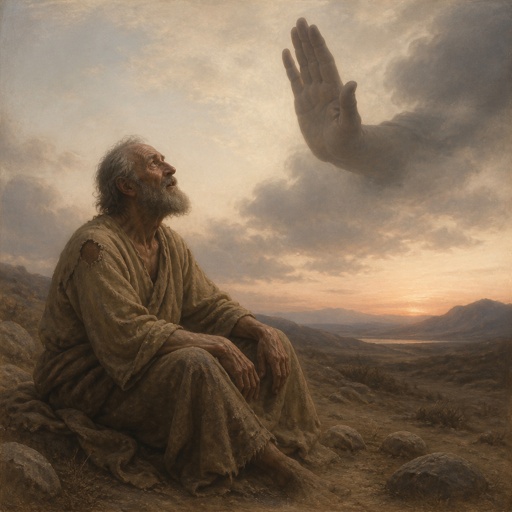
"Thou art become cruel to me: with thy strong hand thou opposest thyself against me." - Job 30:21

Job 30:28

Job 30:28

Job 30:28

Job 30:28

Job 30:28

Job 21:1 - "But Job answered and said,"

Genesis 21-30

Job 34:30 - "That the hypocrite reign not, lest the people be ensnared."

Job 30:6 - "To dwell in the clifts of the valleys, in caves of the earth, and in the rocks."

"But Job answered and said," - Job 21:1

Job 30:29 - "I am a brother to dragons, and a companion to owls."

Job 38:30 - "The waters are hid as with a stone, and the face of the deep is frozen."

Job 1:21

Job 30:9 - "And now am I their song, yea, I am their byword."

Job 30:27 - "My bowels boiled, and rested not: the days of affliction prevented me."

Job 30:4 - "Who cut up mallows by the bushes, and juniper roots for their meat."

Job 1:21

Job 30:7 - "Among the bushes they brayed; under the nettles they were gathered together."

Job 3:20-21 - "Job 3:20-21: Why is light given to those in misery, and life to the bitter of soul, to those who long for death that does not come, who search for it more than for hidden treasure?"

"My skin is black upon me, and my bones are burned with heat." - Job 30:30

Job 22:30 - "He shall deliver the island of the innocent: and it is delivered by the pureness of thine hands."

Job 30:25 - "Did not I weep for him that was in trouble? was not my soul grieved for the poor?"

Job 6:30 - "Is there iniquity in my tongue? cannot my taste discern perverse things?"

Job 33:30 - "To bring back his soul from the pit, to be enlightened with the light of the living."

Job 30:13 - "They mar my path, they set forward my calamity, they have no helper."