What does Job 21:6 mean?
“Even when I remember I am afraid, and trembling taketh hold on my flesh.” — Job 21:6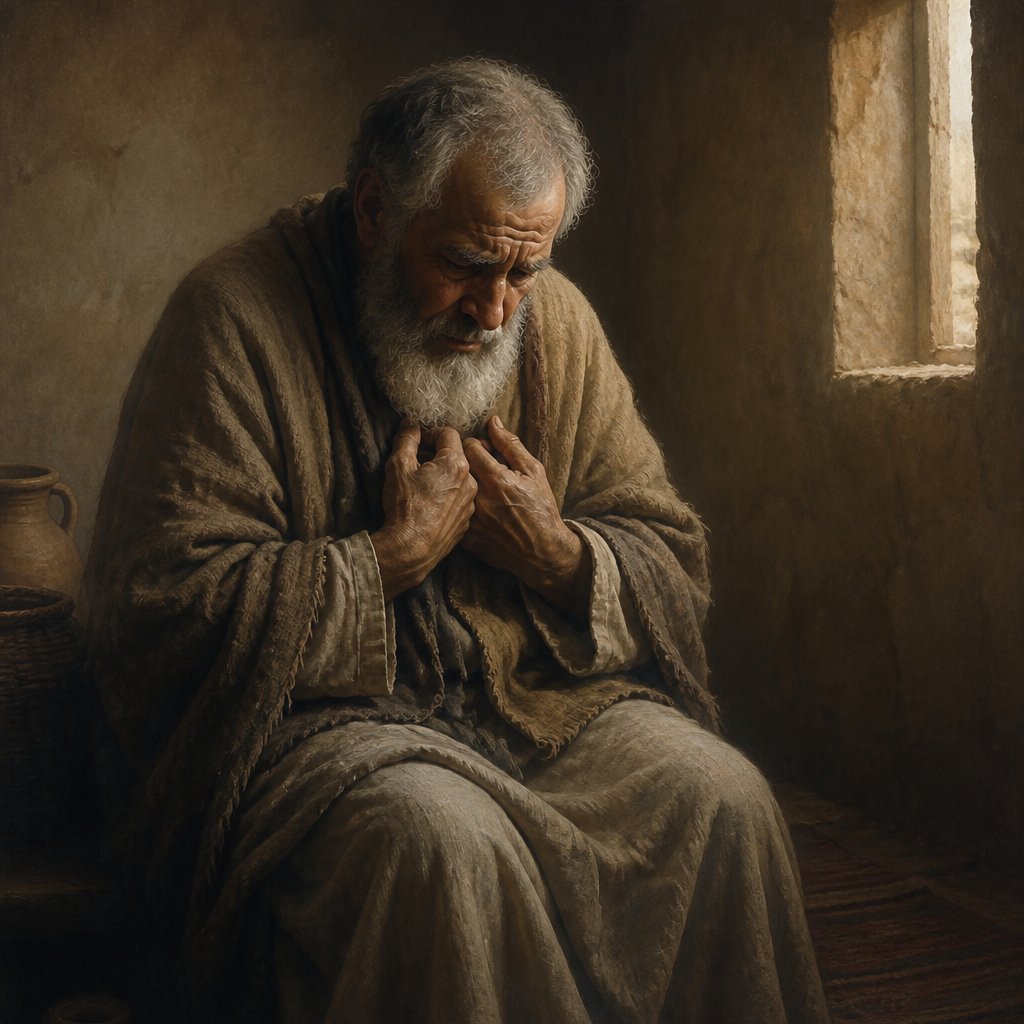
Job 21:6 in the King James Version of the Bible reads, "Even when I remember I am afraid, and trembling taketh hold on my flesh." This verse comes from the Book of Job, which tells the story of a man who faces extreme suffering and wrestles with questions of faith, justice, and the nature of God.
In Job 21, Job responds to his friends' accusations and arguments. In the verses leading up to 21:6, Job acknowledges that the wicked sometimes seem to prosper in this life, even to the point of living out their days in comfort and security. This confounds Job's understanding of God's justice and challenges the conventional wisdom of his time, which held that the righteous would always prosper while the wicked would always suffer. Job's friends, on the other hand, had been arguing that Job must have been guilty of some great sin to be experiencing the level of suffering he was enduring.
In verse 6, Job expresses his deep fear and trembling when he remembers the apparent prosperity of the wicked. This verse reveals the depth of Job's distress and the intense emotional and spiritual turmoil he is experiencing. Job's fear and trembling come from a place of deep existential questioning about the nature of God and the justice of the world. He is struggling to reconcile his understanding of God's goodness and justice with the reality of the suffering and injustice he sees around him.
The themes present in this verse are profound and enduring. Job's fear and trembling reflect the very human experience of grappling with doubt, fear, and existential dread in the face of suffering and injustice. This verse captures the intense emotional and spiritual struggle that often accompanies profound questioning and uncertainty.
One of the key contextual elements of this verse is the broader narrative of the Book of Job. Job's suffering is presented as a test of his faith, as Satan challenges God's assertion that Job is a righteous and faithful servant. Job's friends, initially coming to comfort him, end up engaging in a series of arguments about the nature of suffering and the relationship between sin and punishment. Job's experiences and the resulting debates provide a nuanced exploration of the complexities of faith, suffering, and justice.
The symbolic significance of Job's fear and trembling in this verse is powerful. It represents not only his personal anguish but also reflects the broader human experience of grappling with the problem of evil and the nature of God's justice. Job's fear and trembling speak to the existential crisis that can arise when our understanding of the world and of God is challenged by the presence of suffering and injustice.
In conclusion, Job 21:6 in the King James Version of the Bible encapsulates the profound emotional and spiritual struggle of Job as he wrestles with questions of faith, justice, and the nature of God. This verse resonates with readers throughout the ages, as it captures the very real and raw experience of fear and trembling in the face of suffering and existential questioning. It serves as a poignant reminder of the complexities of human experience and the deeply challenging nature of faith in the midst of adversity.
Get our apps


Artwork for Job 21:6

Job 21:6 - "Even when I remember I am afraid, and trembling taketh hold on my flesh."
"Even when I remember I am afraid, and trembling taketh hold on my flesh." - Job 21:6

Job 6:21 - "For now ye are nothing; ye see my casting down, and are afraid."
"For now ye are nothing; ye see my casting down, and are afraid." - Job 6:21

Job 21:1 - "But Job answered and said,"

"But Job answered and said," - Job 21:1

Job 1:21

Job 6:1 - "But Job answered and said,"

Job 1:21

Job 3:20-21 - "Job 3:20-21: Why is light given to those in misery, and life to the bitter of soul, to those who long for death that does not come, who search for it more than for hidden treasure?"

Job 40:6 - "¶ Then answered the LORD unto Job out of the whirlwind, and said,"

"But Job answered and said," - Job 6:1

Job 21:21 - "For what pleasure hath he in his house after him, when the number of his months is cut off in the midst?"

Job 21:12 - "They take the timbrel and harp, and rejoice at the sound of the organ."

Job 21:8 - "Their seed is established in their sight with them, and their offspring before their eyes."

Job 21:2 - "Hear diligently my speech, and let this be your consolations."

Job 27:6

Matthew 21:21 Philippians 4:6-7 Ephesians 6:10-18 Put the words on the photo

Job 21:13 - "They spend their days in wealth, and in a moment go down to the grave."

Job 21:18 - "They are as stubble before the wind, and as chaff that the storm carrieth away."

Job 18:21 - "Surely such are the dwellings of the wicked, and this is the place of him that knoweth not God."

Job 21:24 - "His breasts are full of milk, and his bones are moistened with marrow."

Job 12:21 - "He poureth contempt upon princes, and weakeneth the strength of the mighty."

Job 6:6 - "Can that which is unsavoury be eaten without salt? or is there any taste in the white of an egg?"

Job 21:10 - "Their bull gendereth, and faileth not; their cow calveth, and casteth not her calf."

Job 21:11 - "They send forth their little ones like a flock, and their children dance."

Job 21:16 - "Lo, their good is not in their hand: the counsel of the wicked is far from me."

Job 40:21 - "He lieth under the shady trees, in the covert of the reed, and fens."

Job 21:25 - "And another dieth in the bitterness of his soul, and never eateth with pleasure."

Job 21:32 - "Yet shall he be brought to the grave, and shall remain in the tomb."