What does Job 22:11 mean?
“Or darkness, that thou canst not see; and abundance of waters cover thee.” — Job 22:11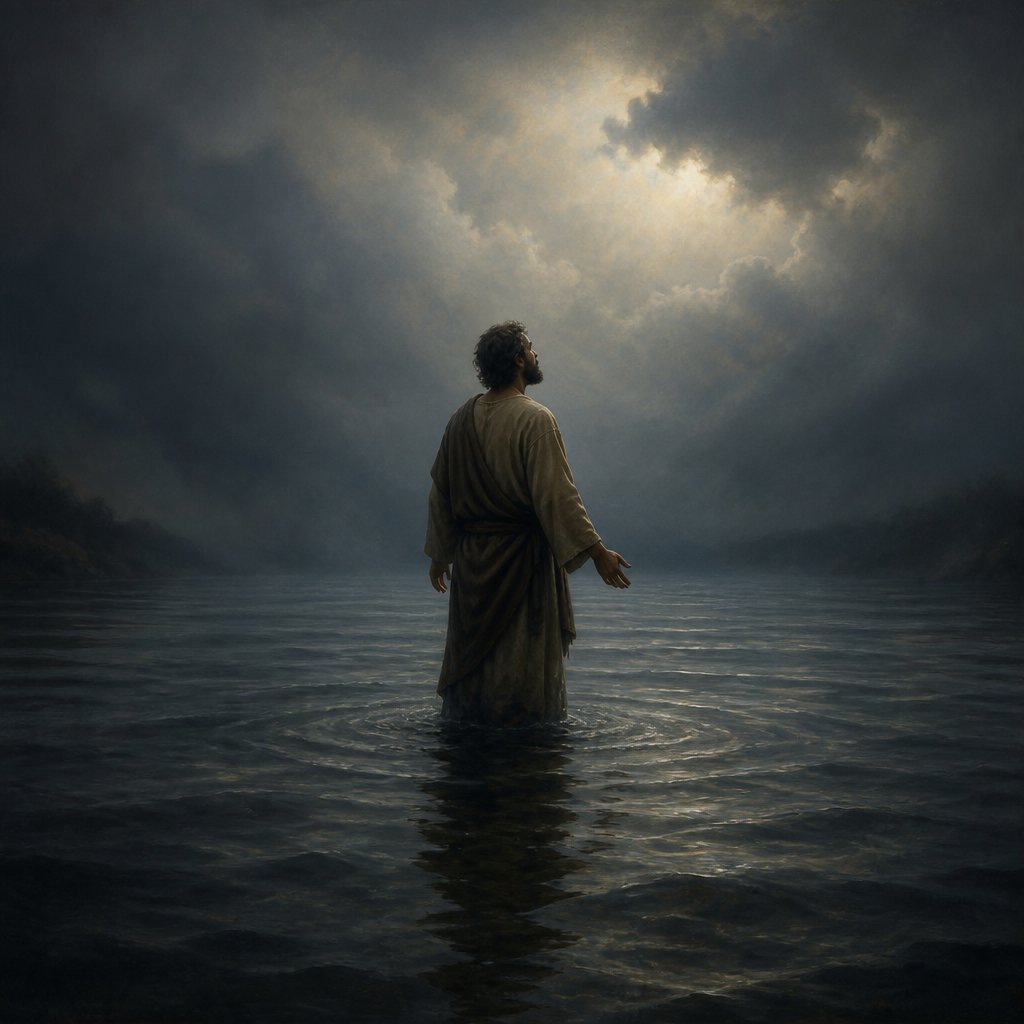
Job 22:11 (KJV): Or darkness, that thou canst not see; and abundance of waters cover thee.
The book of Job in the Bible is a complex and deeply philosophical work that wrestles with questions of suffering, righteousness, and the nature of God. In the story, Job is a righteous man who experiences a series of calamities that test his faith and his understanding of God’s justice. The verse Job 22:11 is part of a speech given by one of Job’s friends, Eliphaz, who is trying to convince Job that his suffering is a result of his sins.
The verse itself speaks to the depth of suffering and the feeling of being overwhelmed by darkness and an abundance of waters. It conveys the sense of being completely engulfed by despair, unable to see any light or hope. This imagery of darkness and water is a powerful symbol of the emotional and spiritual turmoil that Job is experiencing.
One of the key themes in the book of Job is the problem of suffering and the question of why bad things happen to good people. Job’s friends argue that suffering is a punishment for sin, and they urge Job to repent and seek forgiveness from God. However, Job maintains his innocence and questions the justice of his suffering. This tension between the beliefs of Job’s friends and Job’s own understanding is a central theme throughout the book.
In the context of the larger narrative, Job 22:11 is a reflection of the profound suffering that Job is enduring. It captures the overwhelming sense of despair and hopelessness that he is feeling, as he grapples with the loss of his family, his wealth, and his health. The image of darkness and water also serves as a metaphor for the depth of Job’s emotional and spiritual agony.
The symbolism in this verse is rich and multifaceted. Darkness is often used in the Bible to represent ignorance, sin, and spiritual blindness. In this context, it may signify the confusion and lack of understanding that Job feels in the face of his suffering. The abundance of waters can symbolize the overwhelming and uncontrollable nature of his troubles, as well as the chaos and disorder that he perceives in his life.
The verse can also be interpreted as a reflection of the human experience of suffering and despair. It captures the sense of being submerged in darkness and feeling utterly overwhelmed by the challenges and hardships of life. This evocative imagery has resonated with believers for centuries, as it speaks to the universal struggle to find meaning and hope in the midst of suffering.
Ultimately, Job 22:11 is a poignant and powerful reflection on the human experience of suffering and the search for understanding in the face of adversity. It encapsulates the deep emotional and spiritual turmoil that Job experiences, as well as the larger philosophical questions that the book of Job grapples with. Through its vivid symbolism and evocative imagery, the verse remains a timeless and profound meditation on the nature of suffering and the human struggle to find hope and meaning in the midst of despair.
Get our apps


Artwork for Job 22:11

Job 22:11 - "Or darkness, that thou canst not see; and abundance of waters cover thee."
"Or darkness, that thou canst not see; and abundance of waters cover thee." - Job 22:11

Job 1:22 - "In all this Job sinned not, nor charged God foolishly."

Job 22:1 - "Then Eliphaz the Temanite answered and said,"

Job 22:22 - "Receive, I pray thee, the law from his mouth, and lay up his words in thine heart."

"In all this Job sinned not, nor charged God foolishly." - Job 1:22

James 2:2-4

Job 22:5 - "Is not thy wickedness great? and thine iniquities infinite?"

Job 22:19 - "The righteous see it, and are glad: and the innocent laugh them to scorn."

Job 41:22 - "In his neck remaineth strength, and sorrow is turned into joy before him."

Job 11:11 - "For he knoweth vain men: he seeth wickedness also; will he not then consider it?"

Job 2:11-13

Job 2:11-13

Job 2:11-13

Job 37:22 - "Fair weather cometh out of the north: with God is terrible majesty."

Job 22:8 - "But as for the mighty man, he had the earth; and the honourable man dwelt in it."

Job 22:12 - "Is not God in the height of heaven? and behold the height of the stars, how high they are!"

Job 3:22 - "Which rejoice exceedingly, and are glad, when they can find the grave?"

Job 11:1 - "Then answered Zophar the Naamathite, and said,"

Job 22:30 - "He shall deliver the island of the innocent: and it is delivered by the pureness of thine hands."

Job 19:22 - "Why do ye persecute me as God, and are not satisfied with my flesh?"

Job 22:4 - "Will he reprove thee for fear of thee? will he enter with thee into judgment?"

Job 22:20 - "Whereas our substance is not cut down, but the remnant of them the fire consumeth."

Job 9:22 - "This is one thing, therefore I said it, He destroyeth the perfect and the wicked."

"Then Eliphaz the Temanite answered and said," - Job 22:1

Job 22:10 - "Therefore snares are round about thee, and sudden fear troubleth thee;"

Job 36:22 - "Behold, God exalteth by his power: who teacheth like him?"

Job 40:22 - "The shady trees cover him with their shadow; the willows of the brook compass him about."

Job 34:22 - "There is no darkness, nor shadow of death, where the workers of iniquity may hide themselves."

Job 22:15 - "Hast thou marked the old way which wicked men have trodden?"