What does Job 22:12 mean?
“Is not God in the height of heaven? and behold the height of the stars, how high they are!” — Job 22:12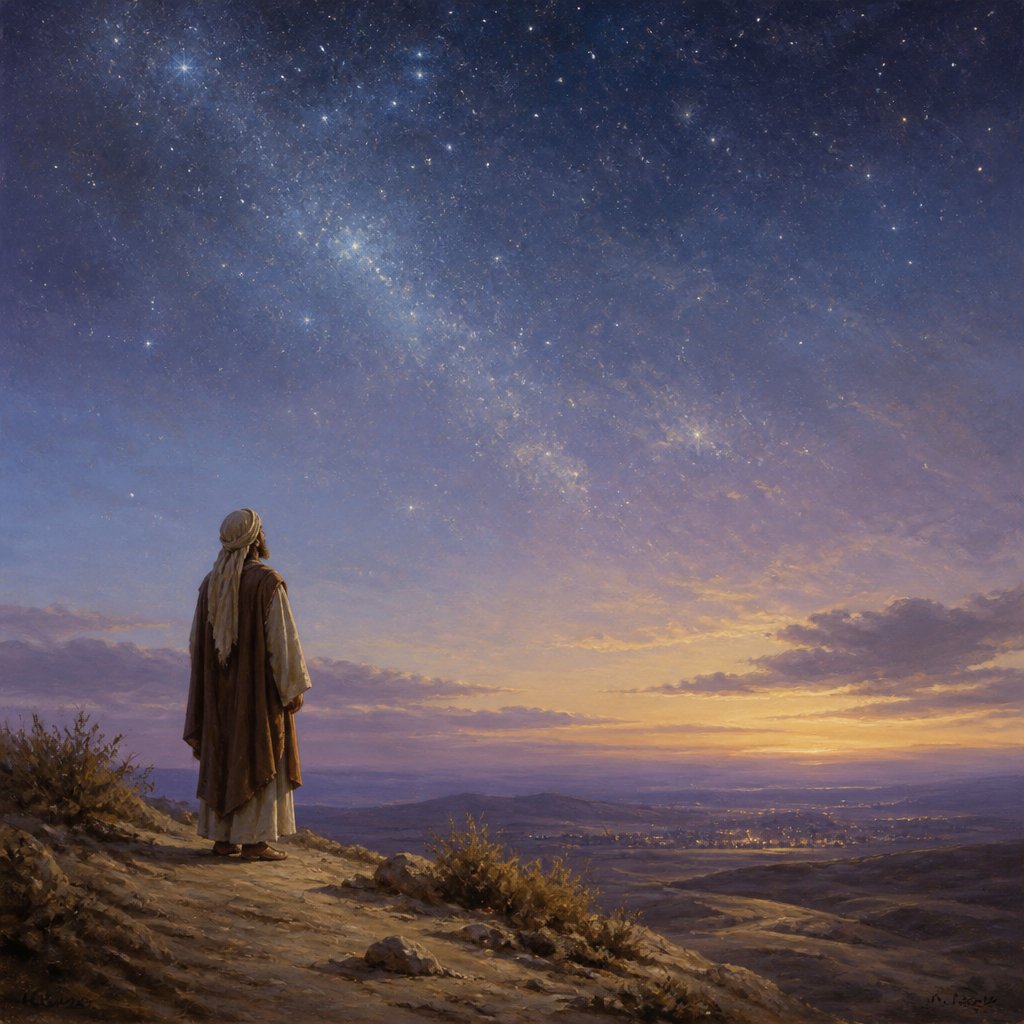
Job 22:12 (KJV) states, "Is not God in the height of heaven? and behold the height of the stars, how high they are!"
This verse comes from the book of Job, which is known for its exploration of suffering and theodicy - the question of why a good and powerful God allows evil and suffering to exist in the world. The verse is part of a speech by one of Job's friends, Eliphaz, as he attempts to convince Job that his suffering is a result of his own sin.
The verse can be understood as a rhetorical question, emphasizing the magnificence and omnipotence of God. It serves as a reminder of the greatness of God and his absolute sovereignty over all things, including the heavens and the stars. The imagery of the stars emphasizes the grandeur of creation and the insignificance of human beings in comparison to God. It also highlights the transcendence of God, who exists beyond the physical realm and whose power and majesty are beyond human comprehension.
The verse is reflective of the broader themes present in the book of Job, including the nature of suffering, the justice and righteousness of God, and the limitations of human understanding. It speaks to the overwhelming power and authority of God, while also raising questions about the relationship between divine sovereignty and human suffering.
The context of the verse is important in understanding its meaning. Job, a righteous and blameless man, has experienced immense suffering and loss, including the deaths of his children, the loss of his possessions, and his own physical afflictions. His friends, including Eliphaz, come to comfort him but end up engaging in a theological debate about the reasons for his suffering. Eliphaz, like the other friends, subscribes to the conventional wisdom of the time, believing that suffering is a direct result of sin. He urges Job to repent and seek God's forgiveness in order to alleviate his suffering.
In this context, Eliphaz's words can be seen as an attempt to remind Job of the greatness and holiness of God, while subtly suggesting that Job's suffering is a result of his own sin. However, this simplistic understanding of suffering and divine justice is challenged throughout the book of Job, as Job maintains his innocence and struggles to make sense of his suffering in the face of God's apparent silence.
The symbolism in this verse is primarily found in the imagery of the height of heaven and the stars. The height of heaven represents the lofty and transcendent nature of God, while the stars symbolize the vastness and complexity of creation. The imagery serves to illustrate the incomprehensibility of God and the limitations of human understanding. It also highlights the contrast between the finite and the infinite, the temporal and the eternal, and the earthly and the heavenly.
In conclusion, Job 22:12 (KJV) is a verse that speaks to the overwhelming greatness and authority of God, as well as the limitations of human understanding. It is part of a broader theological and existential exploration of suffering and divine justice in the book of Job. The verse serves as a reminder of the transcendence of God and his sovereignty over all things, while also raising important questions about the nature of suffering and the ways in which we perceive and interpret God's actions in the world.
Get our apps


Artwork for Job 22:12

Job 22:12 - "Is not God in the height of heaven? and behold the height of the stars, how high they are!"
"Is not God in the height of heaven? and behold the height of the stars, how high they are!" - Job 22:12
Job 12:22 - "He discovereth deep things out of darkness, and bringeth out to light the shadow of death."
"He discovereth deep things out of darkness, and bringeth out to light the shadow of death." - Job 12:22

Job 1:22 - "In all this Job sinned not, nor charged God foolishly."

Job 12:1 - "And Job answered and said,"

Job 12:12 - "With the ancient is wisdom; and in length of days understanding."

"And Job answered and said," - Job 12:1

Job 22:1 - "Then Eliphaz the Temanite answered and said,"

Job 22:22 - "Receive, I pray thee, the law from his mouth, and lay up his words in thine heart."

"In all this Job sinned not, nor charged God foolishly." - Job 1:22

Job 22:5 - "Is not thy wickedness great? and thine iniquities infinite?"

Job 22:19 - "The righteous see it, and are glad: and the innocent laugh them to scorn."

Job 32:12 - "Yea, I attended unto you, and, behold, there was none of you that convinced Job, or that answered his words:"

Job 41:22 - "In his neck remaineth strength, and sorrow is turned into joy before him."

Job 22:11 - "Or darkness, that thou canst not see; and abundance of waters cover thee."

1 Corinthians 12:12-22

Job 37:22 - "Fair weather cometh out of the north: with God is terrible majesty."

Job 22:8 - "But as for the mighty man, he had the earth; and the honourable man dwelt in it."

Job 3:22 - "Which rejoice exceedingly, and are glad, when they can find the grave?"

"With the ancient is wisdom; and in length of days understanding." - Job 12:12

Job 22:30 - "He shall deliver the island of the innocent: and it is delivered by the pureness of thine hands."

Job 19:22 - "Why do ye persecute me as God, and are not satisfied with my flesh?"

Job 22:4 - "Will he reprove thee for fear of thee? will he enter with thee into judgment?"

Job 22:20 - "Whereas our substance is not cut down, but the remnant of them the fire consumeth."

Job 9:22 - "This is one thing, therefore I said it, He destroyeth the perfect and the wicked."

"Then Eliphaz the Temanite answered and said," - Job 22:1

Job 22:10 - "Therefore snares are round about thee, and sudden fear troubleth thee;"

Job 36:22 - "Behold, God exalteth by his power: who teacheth like him?"

Job 40:22 - "The shady trees cover him with their shadow; the willows of the brook compass him about."