What does Job 24:7 mean?
“They cause the naked to lodge without clothing, that they have no covering in the cold.” — Job 24:7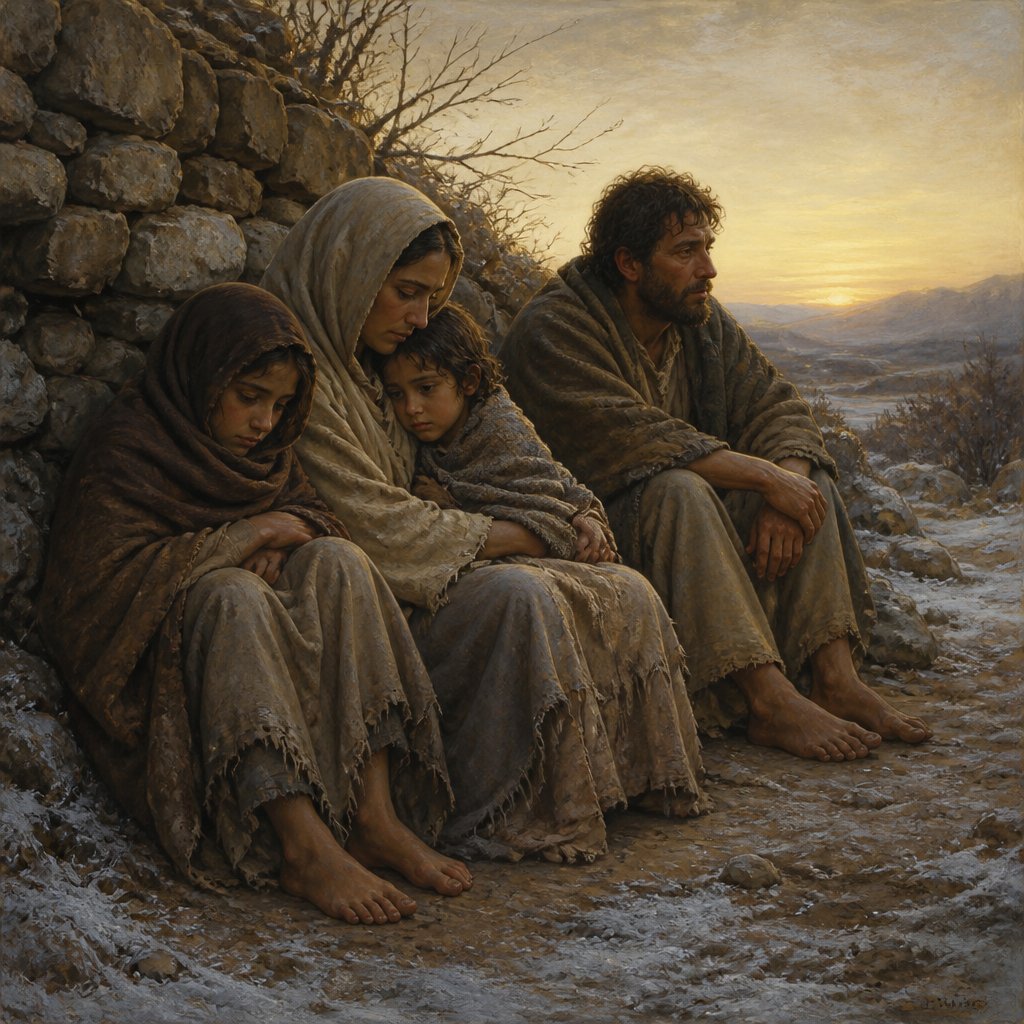
Job 24:7 in the King James Version of the Bible reads: "They cause the naked to lodge without clothing, that they have no covering in the cold."
The book of Job is a complex and profound exploration of suffering and the ways in which we understand and react to it. The verse in question comes from a section of the book where Job is lamenting the actions of wicked people and the suffering they cause. This verse depicts a particularly cruel and callous act - causing the naked to sleep outside without clothing, leaving them vulnerable to the cold. In this commentary, we will delve into the deep meanings and themes present in this verse, as well as the broader context of the book of Job.
The theme of suffering and injustice is central to the book of Job. Throughout the text, Job wrestles with the question of why the righteous suffer and the wicked prosper. He expresses his anguish and seeks understanding from God, even as his friends attempt to rationalize his suffering. In this verse, we see a vivid depiction of the callousness of the wicked, who show no compassion for the vulnerable and inflict further suffering on those who are already in need.
The imagery of causing the naked to lodge without clothing is a powerful and evocative symbol of the lack of compassion and empathy displayed by the wicked. It speaks to the fundamental human need for warmth, protection, and dignity, and the cruelty of those who would deny these basic necessities to others. This verse serves as a reminder of the importance of empathy and kindness, and the consequences of turning a blind eye to the suffering of others.
In the broader context of the book of Job, this verse is part of a larger lament against the actions of the wicked and the suffering they cause. Job grapples with the seeming injustice of the world and the apparent impunity of those who disregard the well-being of others. This verse serves as a poignant example of the suffering and injustice that Job is struggling to comprehend, as well as a testament to the enduring relevance of these themes in our own time.
The book of Job is a profound and enduring exploration of the human experience of suffering, and the ways in which we seek to understand and reconcile it with our understanding of the divine. Job's struggle to make sense of his suffering, and his eventual encounter with the divine, speak to the universal human experience of grappling with the complexities of life and the mysteries of existence. This verse, with its stark depiction of human callousness and the suffering it inflicts, is a powerful reflection of the central themes of the book of Job.
In conclusion, Job 24:7 is a poignant and evocative verse that speaks to the enduring themes of suffering, injustice, and the human capacity for cruelty. It serves as a reminder of the importance of empathy and compassion, and the profound consequences of turning a blind eye to the suffering of others. In the broader context of the book of Job, this verse is a powerful testament to the enduring relevance of the human experience of suffering and the ways in which we seek to understand and reconcile it with our understanding of the divine.
Get our apps


Artwork for Job 24:7

Job 24:7 - "They cause the naked to lodge without clothing, that they have no covering in the cold."
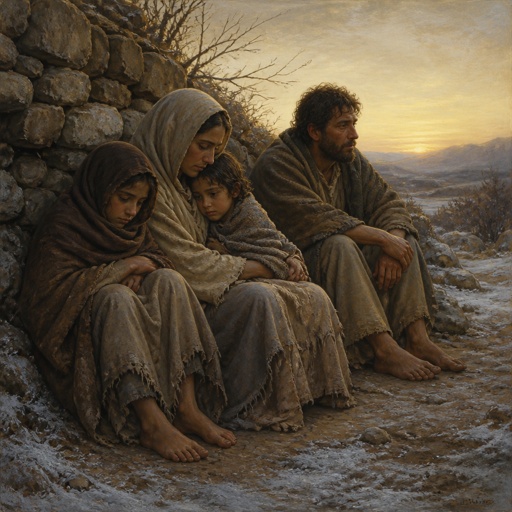
"They cause the naked to lodge without clothing, that they have no covering in the cold." - Job 24:7

Job 24:24 - "They are exalted for a little while, but are gone and brought low; they are taken out of the way as all other, and cut off as the tops of the ears of corn."

Job 19:24 - "That they were graven with an iron pen and lead in the rock for ever!"

Job 24:8 - "They are wet with the showers of the mountains, and embrace the rock for want of a shelter."

Job 24:9 - "They pluck the fatherless from the breast, and take a pledge of the poor."

Job 21:24 - "His breasts are full of milk, and his bones are moistened with marrow."

Job 36:24 - "Remember that thou magnify his work, which men behold."

Job 24:14 - "The murderer rising with the light killeth the poor and needy, and in the night is as a thief."

Job 24:3 - "They drive away the ass of the fatherless, they take the widow's ox for a pledge."

Job 28:24 - "For he looketh to the ends of the earth, and seeth under the whole heaven;"

Job 24:21 - "He evil entreateth the barren that beareth not: and doeth not good to the widow."

Job 34:7 - "What man is like Job, who drinketh up scorning like water?"

Job 1:7

Job 1:7

Job 1:7

Job 24:4 - "They turn the needy out of the way: the poor of the earth hide themselves together."

Job 24:6 - "They reap every one his corn in the field: and they gather the vintage of the wicked."

Job 24:2 - "Some remove the landmarks; they violently take away flocks, and feed thereof."

Job 29:24 - "If I laughed on them, they believed it not; and the light of my countenance they cast not down."

Job 40:24 - "He taketh it with his eyes: his nose pierceth through snares."

Job 41:24 - "His heart is as firm as a stone; yea, as hard as a piece of the nether millstone."

Job 24:11 - "Which make oil within their walls, and tread their winepresses, and suffer thirst."

Job 13:24 - "Wherefore hidest thou thy face, and holdest me for thine enemy?"

Job 39:24 - "He swalloweth the ground with fierceness and rage: neither believeth he that it is the sound of the trumpet."

Job 37:24 - "Men do therefore fear him: he respecteth not any that are wise of heart."

Job 24:18 - "He is swift as the waters; their portion is cursed in the earth: he beholdeth not the way of the vineyards."

Job 22:24 - "Then shalt thou lay up gold as dust, and the gold of Ophir as the stones of the brooks."

Job 38:24 - "By what way is the light parted, which scattereth the east wind upon the earth?"

Job 7:7 - "O remember that my life is wind: mine eye shall no more see good."