What does Job 25:4 mean?
“How then can man be justified with God? or how can he be clean that is born of a woman?” — Job 25:4
The Bible verse Job 25:4 in the King James Version (KJV) states: "How then can man be justified with God? Or how can he be clean that is born of a woman?"
This verse is part of a dialogue between Job and his friends, where they discuss the nature of God and the relationship between God and man. In the book of Job, the central character of Job is a righteous and blameless man who undergoes immense suffering. His friends come to comfort him and offer their own perspectives on the reasons for his suffering.
In this particular verse, Job's friend Bildad the Shuhite is questioning how a human being can be justified or made right with God. The question is posed in a rhetorical manner, indicating that Bildad believes it to be impossible for a human to stand justified before God. He also raises the issue of how a person born of a woman, who is inherently sinful due to the Fall, can be made clean in the sight of God.
The theme of justification before God is central to the verse. The concept of justification in the Bible refers to the act of God declaring a sinner to be righteous on the basis of faith in Jesus Christ. In other words, it is the process by which God pardons, accepts, and declares a person to be just. Bildad's question reflects the understanding of the Old Testament period, where the people believed that righteous living and obedience to God's laws were the means of justification. However, the New Testament reveals that justification comes through faith in Jesus Christ and his atoning sacrifice on the cross.
The verse also touches upon the theme of human sinfulness and the need for cleansing. The reference to being born of a woman emphasizes the fallen nature of humanity due to the disobedience of Adam and Eve in the Garden of Eden. The Bible teaches that all human beings are born with a sinful nature and are in need of cleansing and forgiveness to be reconciled with God.
The context of the verse is important for understanding its significance. Bildad's questioning of how man can be justified and made clean with God is part of a larger debate within the book of Job about the reasons for human suffering and the nature of God's justice. Job's friends argue that suffering is a result of sin and that God punishes the wicked while rewarding the righteous. Job, however, maintains his innocence and questions the fairness of his suffering. The dialogue in Job raises profound questions about the nature of God, the problem of evil, and the relationship between humanity and the divine.
In terms of symbolism, the verse symbolizes the dilemma of human sin and the need for divine redemption. The impossibility of a person justifying themselves before God reflects the human inability to earn salvation through their own efforts. The reference to being born of a woman symbolizes the universal condition of sin and the need for spiritual cleansing and renewal.
In conclusion, Job 25:4 in the King James Version is a thought-provoking verse that raises profound questions about the nature of God, human sinfulness, and the need for justification. It is part of a larger dialogue within the book of Job that explores the themes of suffering, justice, and the human-divine relationship. The verse challenges readers to consider their own standing before God and the need for redemption through faith in Christ.
Get our apps


Artwork for Job 25:4

Job 25:4 - "How then can man be justified with God? or how can he be clean that is born of a woman?"

"How then can man be justified with God? or how can he be clean that is born of a woman?" - Job 25:4

Job 39:13-25

Job 25:1 - "Then answered Bildad the Shuhite, and said,"

Job 28:25 - "To make the weight for the winds; and he weigheth the waters by measure."

Eliphaz speaks to Job in Job 4.

Job 21:25 - "And another dieth in the bitterness of his soul, and never eateth with pleasure."

Job 30:25 - "Did not I weep for him that was in trouble? was not my soul grieved for the poor?"

Job 25:5 - "Behold even to the moon, and it shineth not; yea, the stars are not pure in his sight."

Job 36:25 - "Every man may see it; man may behold it afar off."

Job 6:25 - "How forcible are right words! but what doth your arguing reprove?"

Job 25:2 - "Dominion and fear are with him, he maketh peace in his high places."

Job 25:6 - "How much less man, that is a worm? and the son of man, which is a worm?"

Job 38:25 - "Who hath divided a watercourse for the overflowing of waters, or a way for the lightning of thunder;"
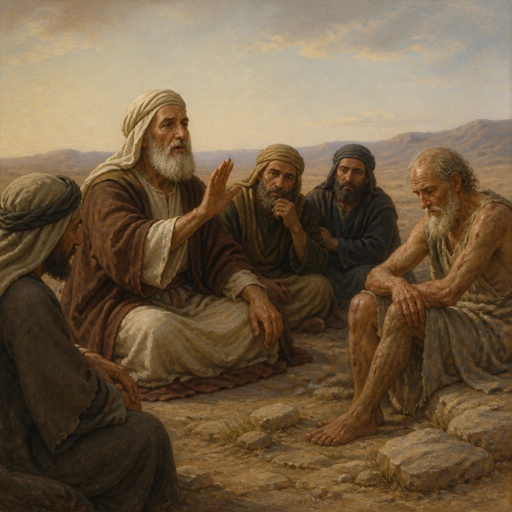
"Then answered Bildad the Shuhite, and said," - Job 25:1

Job 25:3 - "Is there any number of his armies? and upon whom doth not his light arise?"

Job 34:25 - "Therefore he knoweth their works, and he overturneth them in the night, so that they are destroyed."

Job 9:25 - "Now my days are swifter than a post: they flee away, they see no good."

Job 22:25 - "Yea, the Almighty shall be thy defence, and thou shalt have plenty of silver."

Job 15:25 - "For he stretcheth out his hand against God, and strengtheneth himself against the Almighty."

Job 13:25 - "Wilt thou break a leaf driven to and fro? and wilt thou pursue the dry stubble?"

Job 41:25 - "When he raiseth up himself, the mighty are afraid: by reason of breakings they purify themselves."

Job 39:19-25 – "Do you give the horse its strength or clothe its neck with a flowing mane?"

Job 24:25 - "And if it be not so now, who will make me a liar, and make my speech nothing worth?"

Job 12:25 - "They grope in the dark without light, and he maketh them to stagger like a drunken man."

Job 19:25 - "For I know that my redeemer liveth, and that he shall stand at the latter day upon the earth:"

Job 31:25 - "If I rejoiced because my wealth was great, and because mine hand had gotten much;"

Job 33:25 - "His flesh shall be fresher than a child's: he shall return to the days of his youth:"

Job 5:25 - "Thou shalt know also that thy seed shall be great, and thine offspring as the grass of the earth."

Job 29:25 - "I chose out their way, and sat chief, and dwelt as a king in the army, as one that comforteth the mourners."