What does Job 29:18 mean?
“Then I said, I shall die in my nest, and I shall multiply my days as the sand.” — Job 29:18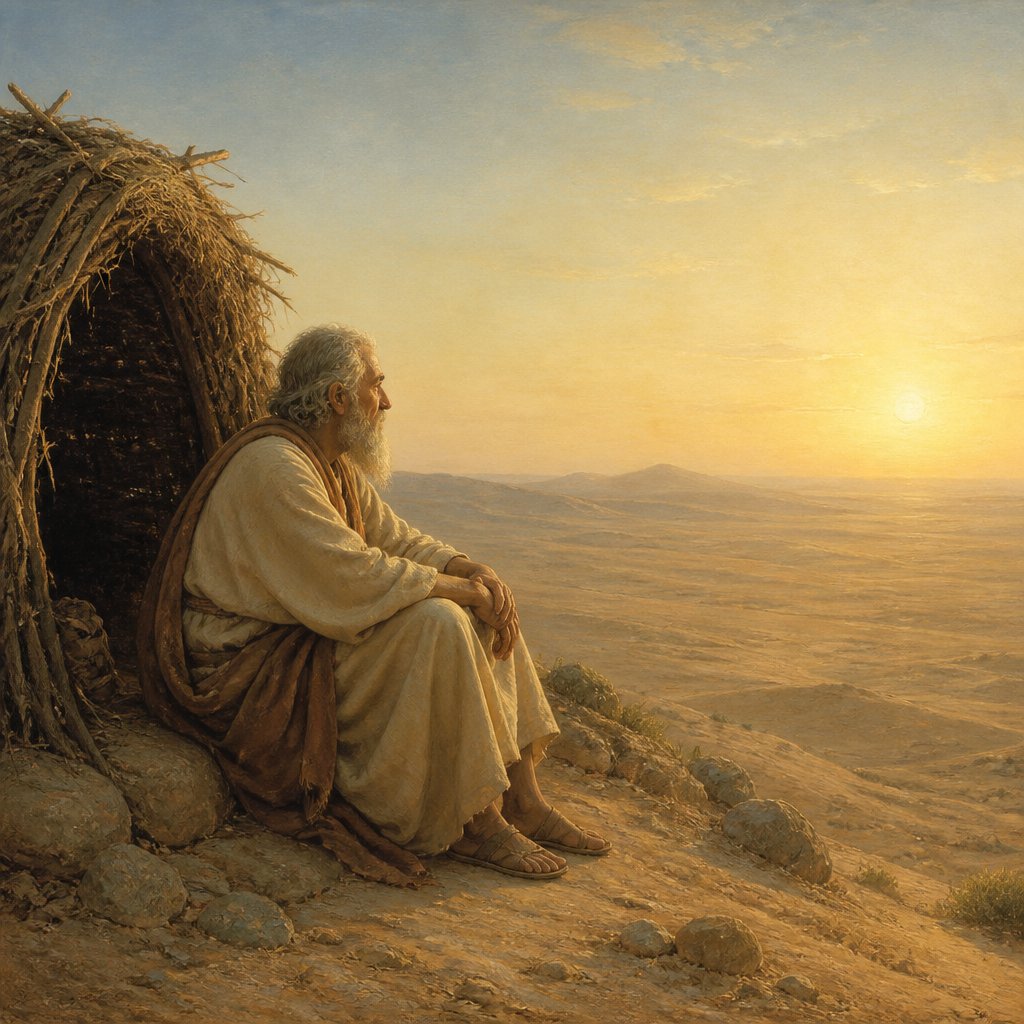
Job 29:18 (KJV) states: "Then I said, I shall die in my nest, and I shall multiply my days as the sand."
This verse is part of a larger passage in the book of Job, which tells the story of a man who faces immense suffering and loss, yet remains faithful to God. In this particular section, Job reflects on the blessings and prosperity that he once enjoyed, contrasting it with his current state of affliction.
The phrase "I shall die in my nest" is a metaphor for dying at a ripe old age and in comfort. Job, in his former days of prosperity, felt secure and confident that he would live out his days in peace and contentment. The imagery of a nest conjures feelings of warmth, safety, and protection, emphasizing Job's sense of security and stability in his previous life.
The second part of the verse, "and I shall multiply my days as the sand," further emphasizes Job's expectation of a long and plentiful life. In ancient times, the sand was often used as a symbol of abundance and countless blessings. Job believed that his days would be as numerous as the grains of sand, suggesting that he anticipated a long and prosperous life.
This verse is particularly poignant in the larger context of the book of Job, as it highlights the stark contrast between Job's former prosperity and his current suffering. At this point in the story, Job is expressing his longing for the blessings and security that he once enjoyed, even as he grapples with his current hardships.
The overarching theme of this verse is the fleeting nature of prosperity and the unpredictability of life. Job's lament reflects the universal human experience of longing for better times, and the painful reality of loss and suffering. The verse serves as a poignant reminder of the impermanence of earthly blessings, as well as the uncertainty of the future.
In a broader theological context, this verse also raises questions about the nature of suffering and the role of faith in the midst of adversity. Job's poignant reflection on his former prosperity serves as a powerful reminder of the human experience of suffering and loss, and the need for resilience and trust in God's providence.
The symbolism in this verse is rich and layered. The imagery of the nest evokes feelings of security and comfort, while the comparison to the sand symbolizes abundance and prosperity. These symbols serve to underscore Job's deep longing for the blessings he once enjoyed, and his desperate desire for a return to his former state of security and contentment.
In conclusion, Job 29:18 (KJV) is a moving reflection on the transience of prosperity and the uncertainty of life. Job's lament serves as a powerful reminder of the universal human experiences of loss, suffering, and longing for better times. The verse's rich symbolism and evocative imagery further underscore its poignant message, making it a poignant and enduring reflection on the human experience.
Get our apps


Artwork for Job 29:18

Job 29:18 - "Then I said, I shall die in my nest, and I shall multiply my days as the sand."
"Then I said, I shall die in my nest, and I shall multiply my days as the sand." - Job 29:18

Job 29:1 - "Moreover Job continued his parable, and said,"

"Moreover Job continued his parable, and said," - Job 29:1

Job 9:29 - "If I be wicked, why then labour I in vain?"

Job 29:15 - "I was eyes to the blind, and feet was I to the lame."

Job 30:29 - "I am a brother to dragons, and a companion to owls."

Job 29:9 - "The princes refrained talking, and laid their hand on their mouth."

Job 41:29 - "Darts are counted as stubble: he laugheth at the shaking of a spear."

Isaiah 29:18

Genesis 18-29

Job 29:10 - "The nobles held their peace, and their tongue cleaved to the roof of their mouth."

Job 33:29 - "Lo, all these things worketh God oftentimes with man,"

Job 29:23 - "And they waited for me as for the rain; and they opened their mouth wide as for the latter rain."

Job 18:18 - "He shall be driven from light into darkness, and chased out of the world."

Job 18-19

Job 29:14 - "I put on righteousness, and it clothed me: my judgment was as a robe and a diadem."

Job 36:29 - "Also can any understand the spreadings of the clouds, or the noise of his tabernacle?"

Job 29:20 - "My glory was fresh in me, and my bow was renewed in my hand."

Job 29:24 - "If I laughed on them, they believed it not; and the light of my countenance they cast not down."

Job 29:17 - "And I brake the jaws of the wicked, and plucked the spoil out of his teeth."

Job 29:4 - "As I was in the days of my youth, when the secret of God was upon my tabernacle;"

Job 29:5 - "When the Almighty was yet with me, when my children were about me;"

Job 21:29 - "Have ye not asked them that go by the way? and do ye not know their tokens,"

Job 29:8 - "The young men saw me, and hid themselves: and the aged arose, and stood up."

Job 20:29 - "This is the portion of a wicked man from God, and the heritage appointed unto him by God."

Job 29:16 - "I was a father to the poor: and the cause which I knew not I searched out."

Job 39:29 - "From thence she seeketh the prey, and her eyes behold afar off."

Job 29:2 - "Oh that I were as in months past, as in the days when God preserved me;"

Job 29:21 - "Unto me men gave ear, and waited, and kept silence at my counsel."