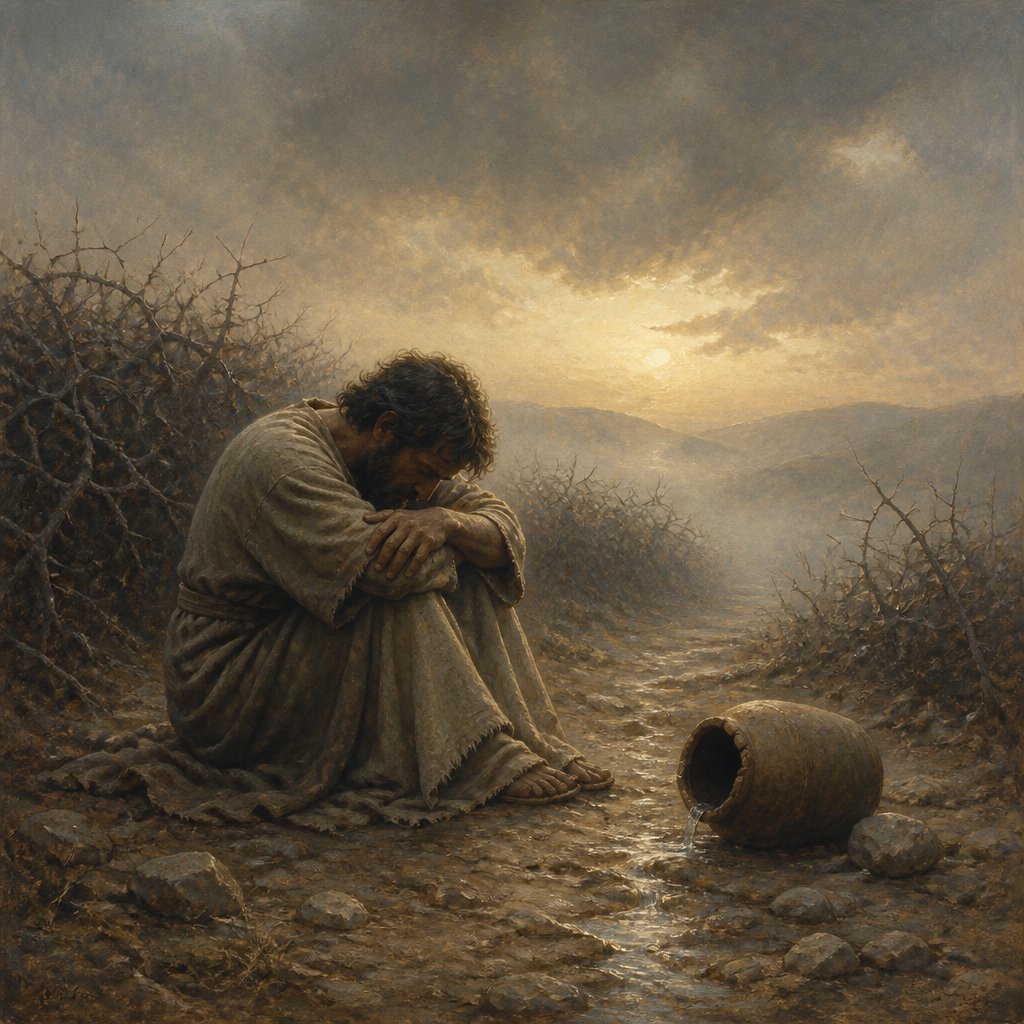
Job 3:23-26 from the King James Version (KJV) of the Bible reads,
"Why is light given to a man whose way is hid, and whom God hath hedged in? For my sighing cometh before I eat, and my roarings are poured out like the waters. For the thing which I greatly feared is come upon me, and that which I was afraid of is come unto me. I was not in safety, neither had I rest, neither was I quiet; yet trouble came."
This passage comes from the Book of Job, specifically in the context of Job lamenting his suffering and the hardships he is experiencing. The Book of Job is a part of the Wisdom literature in the Old Testament and it offers deep insight into the nature of suffering, faith, and the sovereignty of God. Job was a righteous man who faced a series of devastating tragedies – losing his children, his wealth, and his health. The passage at hand expresses Job's deep anguish and despair as he questions the purpose of his suffering and why God has allowed it to happen.
The verses in this passage convey the deep sense of hopelessness and sorrow that Job is experiencing. He questions why a man who is struggling and feels completely trapped and isolated would be given the gift of light and life. Job feels that his way is "hid," or hidden from him, highlighting his confusion and sense of being lost. He feels as though God has "hedged" or enclosed him in, leaving him with no way out of his suffering.
Job's anguish is apparent as he describes his sorrow and pain. His sighing comes before he even eats, indicating that his grief is all-consuming and affects every aspect of his life. He compares his cries to the pouring out of waters, emphasizing the intensity and depth of his emotions. His fear and anxiety have also materialized, as he states that "the thing which I greatly feared is come upon me." This sense of doom and despair further illustrates Job's feelings of hopelessness and powerlessness in the face of his suffering.
Furthermore, Job expresses that he was not in safety, did not have rest, and was not quiet, yet trouble came upon him. This notion underscores the overwhelming nature of his suffering and the lack of respite from his hardships. Job feels as though he cannot escape the relentless troubles that have befallen him, despite his desire for peace and security.
The themes present in this passage are central to the larger narrative of the Book of Job. These themes include the nature of suffering, the search for meaning in the midst of trials, and the question of God's justice and sovereignty. Job's lamentations offer a profound exploration of human suffering and the complexities of faith. The passage speaks to the universal experience of grappling with adversity and the existential questions that arise in the midst of such challenges.
Symbolically, the reference to light in the passage can be seen as a metaphor for life and hope. Job questions why light and life are given to someone who is engulfed in darkness and despair, highlighting the stark contrast between his inner turmoil and the external world. The imagery of being hedged in by God conveys a sense of confinement and isolation, symbolizing the barriers that Job feels are preventing him from finding relief or understanding.
In conclusion, Job 3:23-26 captures the profound sense of despair and anguish that Job experiences in the midst of his suffering. It raises important questions about the nature of human suffering and the search for meaning and justice in the face of adversity. The passage offers a poignant reflection on the complexities of faith and the tumultuous journey of wrestling with pain and hardship. It serves as a powerful testament to the enduring relevance of the Book of Job and its timeless exploration of the human experience.
Get our apps


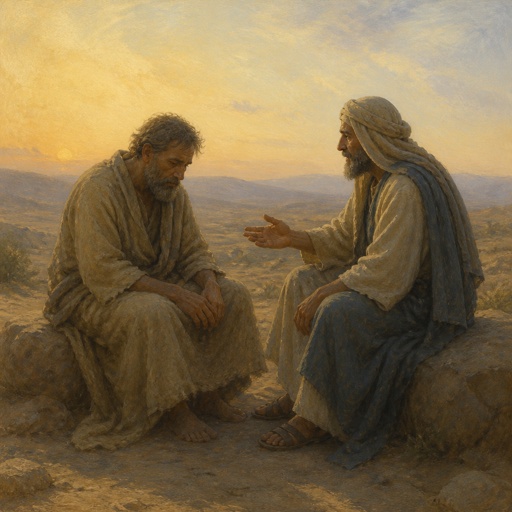
Artwork for Job 3:23-26

Job 3:23-26 - "Why is life given to a man whose way is veiled, whom God has hedged in? For sighing has become my daily food; my groans pour out like water. What I feared has come upon me; what I dreaded has happened to me. I have no peace, no quietness; I have no rest, but only turmoil. (Job 3:23-26)"
"Why is life given to a man whose way is veiled, whom God has hedged in? For sighing has become my daily food; my groans pour out like water. What I feared has come upon me; what I dreaded has happened to me. I have no peace, no quietness; I have no rest, but only turmoil. (Job 3:23-26)" - Job 3:23-26

Job 3:23 - "Why is light given to a man whose way is hid, and whom God hath hedged in?"

Job 3:26 - "I was not in safety, neither had I rest, neither was I quiet; yet trouble came."

Job 26:3 - "How hast thou counselled him that hath no wisdom? and how hast thou plentifully declared the thing as it is?"

Job 23:3 - "Oh that I knew where I might find him! that I might come even to his seat!"
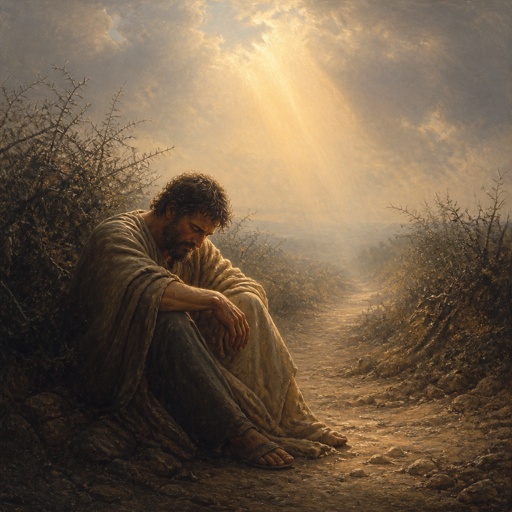
"Why is light given to a man whose way is hid, and whom God hath hedged in?" - Job 3:23

Job 26:1 - "But Job answered and said,"

Job 23:1 - "Then Job answered and said,"

"But Job answered and said," - Job 26:1
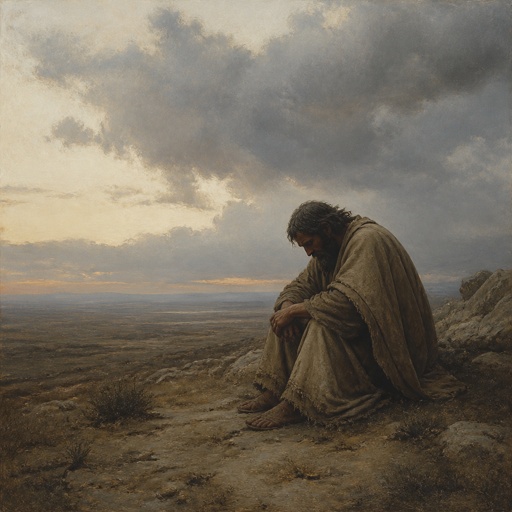
"I was not in safety, neither had I rest, neither was I quiet; yet trouble came." - Job 3:26

"Then Job answered and said," - Job 23:1
"How hast thou counselled him that hath no wisdom? and how hast thou plentifully declared the thing as it is?" - Job 26:3

Job 3:2 - "And Job spake, and said,"

Job 26:11 - "The pillars of heaven tremble and are astonished at his reproof."

Matthieu 5:23-26

Job 40:3 - "¶ Then Job answered the LORD, and said,"

Job 26:6 - "Hell is naked before him, and destruction hath no covering."

Job 9:26 - "They are passed away as the swift ships: as the eagle that hasteth to the prey."

"Oh that I knew where I might find him! that I might come even to his seat!" - Job 23:3

Job 26:5 - "Dead things are formed from under the waters, and the inhabitants thereof."

Job 34:26 - "He striketh them as wicked men in the open sight of others;"

Job 38:26 - "To cause it to rain on the earth, where no man is; on the wilderness, wherein there is no man;"

Job 31:26 - "If I beheld the sun when it shined, or the moon walking in brightness;"

Job 28:26 - "When he made a decree for the rain, and a way for the lightning of the thunder:"

1 Chronicles 26:23 - "Of the Amramites, and the Izharites, the Hebronites, and the Uzzielites:"

Leviticus 23:26 - "¶ And the LORD spake unto Moses, saying,"

Job 39:23 - "The quiver rattleth against him, the glittering spear and the shield."

Job 21:26 - "They shall lie down alike in the dust, and the worms shall cover them."

Job 3:1 - "After this opened Job his mouth, and cursed his day."