What does Job 30:24 mean?
“Howbeit he will not stretch out his hand to the grave, though they cry in his destruction.” — Job 30:24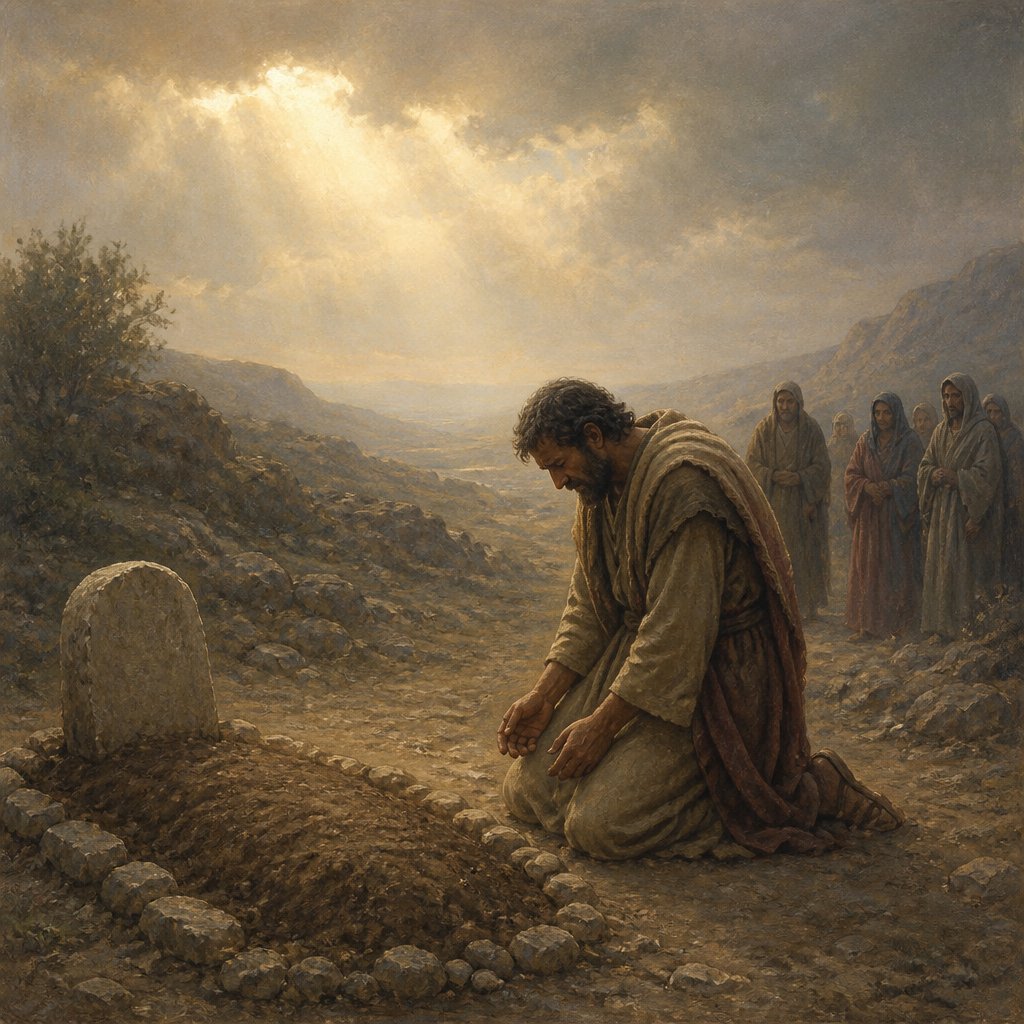
Job 30:24 (KJV) says, "Howbeit he will not stretch out his hand to the grave, though they cry in his destruction." This verse comes from the book of Job, which is found in the Old Testament of the Bible. The book of Job is known for its exploration of suffering and the question of why bad things happen to good people. This verse is spoken by Job, who is in the midst of great suffering and is lamenting the fact that despite his cries and pleas for help, God seems absent and unwilling to rescue him from his dire circumstances.
The context of this verse is important to understanding its meaning. Job was a righteous man who experienced unimaginable suffering. He lost his wealth, his children, and his health, yet he remained faithful to God. Despite Job's faithfulness, he was met with silence from God and ridicule from his friends. In this particular verse, Job is expressing his frustration and despair at the seeming indifference of God to his suffering.
The verse reflects a theme of despair and the feeling of abandonment by God. Job's words reveal the depth of his anguish and his belief that God is unwilling to intervene on his behalf, even in the face of his devastating circumstances. This theme is one that resonates with many people who have experienced suffering and felt the absence of God in their lives.
The imagery in this verse is also significant. The mention of "stretching out his hand to the grave" conjures up a vivid picture of death and the finality of the grave. It suggests a sense of hopelessness and the feeling that even death would not bring relief from Job's suffering. The idea that "they cry in his destruction" further emphasizes the idea of despair and the lack of response from God in the midst of Job's anguish.
Symbolically, this verse can be interpreted as a representation of the human experience of suffering and the existential struggle to find meaning and purpose in the face of adversity. It speaks to the universal human experience of feeling abandoned and questioning the presence and involvement of a higher power in times of despair. The verse also serves as a reminder of the limits of human understanding and the mysterious ways of God.
Ultimately, the verse Job 30:24 (KJV) captures the depth of human suffering and the longing for divine intervention. It serves as a poignant expression of the anguish and despair that can accompany the experience of suffering, and it raises profound questions about the nature of faith and the presence of God in the midst of adversity. Despite its somber tone, the verse also invites reflection and contemplation on the complex relationship between human suffering and the divine. It is a testament to the enduring relevance and power of the book of Job in addressing the timeless questions of human existence and the enigmatic ways of God.
Get our apps


Artwork for Job 30:24

Job 30:24 - "Howbeit he will not stretch out his hand to the grave, though they cry in his destruction."
"Howbeit he will not stretch out his hand to the grave, though they cry in his destruction." - Job 30:24

Job 30:30 - "My skin is black upon me, and my bones are burned with heat."

Job 30:28

Job 30:28

Job 30:28

Job 30:28

Job 30:28

Genesis 24-30

Job 34:30 - "That the hypocrite reign not, lest the people be ensnared."

Job 30:6 - "To dwell in the clifts of the valleys, in caves of the earth, and in the rocks."

Matthew 24:30-31

Matthew 24:30-31

Matthew 24:30-31

Matthew 24:30-31

Matthew 24:30-31

Matthew 24:30-31

Matthew 24:30-31

Matthew 24:30-31

Matthew 24:30-31

Matthew 24:30-31

Job 38:30 - "The waters are hid as with a stone, and the face of the deep is frozen."

Job 30:29 - "I am a brother to dragons, and a companion to owls."

Job 30:9 - "And now am I their song, yea, I am their byword."

Job 30:27 - "My bowels boiled, and rested not: the days of affliction prevented me."

Job 30:4 - "Who cut up mallows by the bushes, and juniper roots for their meat."

Joshua 24:30 the location of mountains

Job 30:7 - "Among the bushes they brayed; under the nettles they were gathered together."

"My skin is black upon me, and my bones are burned with heat." - Job 30:30

Job 22:30 - "He shall deliver the island of the innocent: and it is delivered by the pureness of thine hands."