What does Job 36:26 mean?
“Behold, God is great, and we know him not, neither can the number of his years be searched out.” — Job 36:26
Job 36:26 in the King James Version of the Bible states, "Behold, God is great, and we know him not, neither can the number of his years be searched out." This verse comes from the book of Job, which is a poetic and philosophical exploration of suffering and God's sovereignty.
The context of this verse is important to understanding its full meaning. Job is a righteous man who experiences immense suffering, losing his wealth, children, and health. Throughout the book, Job questions why he is suffering and seeks to understand God's ways. Job's friends, Eliphaz, Bildad, and Zophar, offer various explanations for his suffering, including the idea that he must have brought it upon himself through sin. However, Job denies this and continues to seek understanding and justice from God.
In chapter 36, the young Elihu speaks to Job, offering his own perspective on suffering and God's righteousness. He emphasizes God's greatness and wisdom, pointing to the natural world and the ways in which God reveals Himself through creation. Elihu argues that God's ways are beyond human comprehension, and that He uses suffering to discipline and teach His people.
The verse "Behold, God is great, and we know him not, neither can the number of his years be searched out" reflects the overarching theme of God's incomprehensibility and limitless nature. The declaration of God's greatness serves to remind Job and the readers that our understanding of God is limited. It emphasizes the idea that our finite human minds cannot fully grasp the infinite nature of God.
The verse also speaks to the concept of the transcendence of God, emphasizing that His existence and nature are beyond human measurement or limitation. The phrase "neither can the number of his years be searched out" suggests that God's existence is timeless and eternal, unlike humanity, which is bound by the constraints of time and mortality. This further emphasizes the vast difference between God and His creation, highlighting His infinite nature and supremacy.
The theme of God's greatness and incomprehensibility is a recurring one in the Bible, appearing in various forms throughout the Old and New Testaments. It serves to humble and awe-inspire the reader, leading them to recognize their own limitations in understanding and acknowledging the majesty and sovereignty of God.
The verse also carries a message of humility and awe in the face of God's greatness. It reminds us that we are limited in our knowledge and understanding of God, and that we must approach Him with reverence and humility. This verse encourages us to meditate on the unfathomable nature of God and to be in awe of His greatness.
In terms of symbolism, this verse can be seen as a representation of the tension between human understanding and divine mystery. It symbolizes the limitation of human intellect in grasping the fullness of God's nature and the need for faith and reverence in approaching Him.
In conclusion, Job 36:26 from the King James Version of the Bible conveys a powerful message about the greatness and incomprehensibility of God. It emphasizes the transcendent nature of God, His eternal existence, and the limitations of human understanding. This verse speaks to themes of humility, awe, and reverence in the face of God's sovereignty, urging us to acknowledge the vast difference between our finite human existence and the infinite nature of God. It serves as a reminder of the need for faith, reverence, and humility in approaching the Almighty.
Get our apps


Artwork for Job 36:26

Job 36:26 - "Behold, God is great, and we know him not, neither can the number of his years be searched out."

"Behold, God is great, and we know him not, neither can the number of his years be searched out." - Job 36:26

Job 38:36

Job 38:36

Job 38:36

Job 38:36

Job 34:36 - "My desire is that Job may be tried unto the end because of his answers for wicked men."

Job 36:1 - "Elihu also proceeded, and said,"
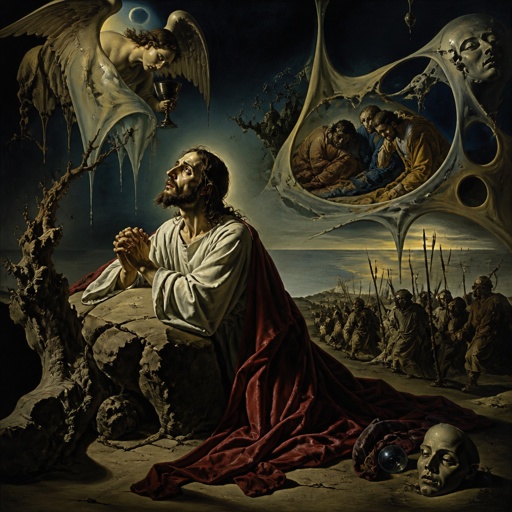
Matthew 26:36-46

Job 26:1 - "But Job answered and said,"

Job 36:14 - "They die in youth, and their life is among the unclean."

Job 36:8 - "And if they be bound in fetters, and be holden in cords of affliction;"

Numbers 26:36 - "And these are the sons of Shuthelah: of Eran, the family of the Eranites."

Genesis 36:26 - "And these are the children of Dishon; Hemdan, and Eshban, and Ithran, and Cheran."

Job 36:6 - "He preserveth not the life of the wicked: but giveth right to the poor."

Job 36:20 - "Desire not the night, when people are cut off in their place."

Job 36:9 - "Then he sheweth them their work, and their transgressions that they have exceeded."

Job 36:15 - "He delivereth the poor in his affliction, and openeth their ears in oppression."

Job 36:24 - "Remember that thou magnify his work, which men behold."

Job 36:12 - "But if they obey not, they shall perish by the sword, and they shall die without knowledge."

Job 36:28 - "Which the clouds do drop and distil upon man abundantly."

Job 36:33 - "The noise thereof sheweth concerning it, the cattle also concerning the vapour."

Job 36:31 - "For by them judgeth he the people; he giveth meat in abundance."

"But Job answered and said," - Job 26:1

Job 36:32 - "With clouds he covereth the light; and commandeth it not to shine by the cloud that cometh betwixt."

Job 36:29 - "Also can any understand the spreadings of the clouds, or the noise of his tabernacle?"

Job 36:11 - "If they obey and serve him, they shall spend their days in prosperity, and their years in pleasures."

Job 36:25 - "Every man may see it; man may behold it afar off."

Job 36:10 - "He openeth also their ear to discipline, and commandeth that they return from iniquity."

Job 36:19 - "Will he esteem thy riches? no, not gold, nor all the forces of strength."