What does Job 39:7 mean?
“He scorneth the multitude of the city, neither regardeth he the crying of the driver.” — Job 39:7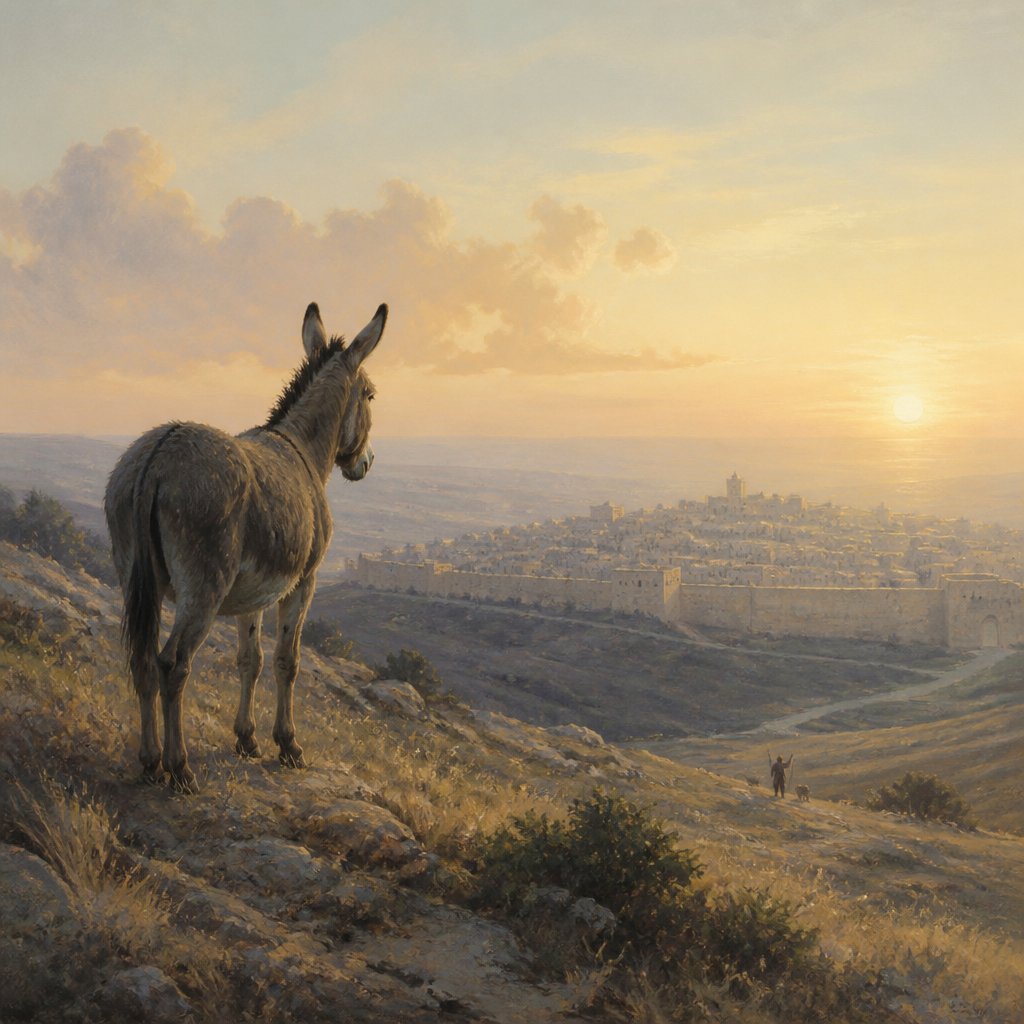
The Bible verse Job 39:7 in the King James Version (KJV) reads, "He scorneth the multitude of the city, neither regardeth he the crying of the driver." This verse is part of a larger passage in the book of Job, which is a book in the Old Testament that focuses on the trials and suffering of the righteous man, Job. In this specific chapter, God is speaking to Job and describing the majesty and power of His creation, particularly focusing on the animals and the natural world.
The verse itself refers to a specific animal, which is likely the wild ass, or onager. The onager is known for its independent nature and its resistance to being tamed or controlled by humans. The verse illustrates this by saying that the onager "scorneth the multitude of the city" and "neither regardeth he the crying of the driver." This imagery conjures a picture of a wild, untamed creature that is unbothered by the noise and bustle of human civilization and refuses to be subject to human authority.
In a broader sense, this verse speaks to the untamed and wild aspects of God's creation and the natural world. It highlights the inherent autonomy and independence of certain creatures, which stand in stark contrast to the often-domineering nature of human civilization. This theme of the untamed and uncontrollable aspects of nature is a recurring motif throughout the Bible, and this verse serves as a poignant example of it.
The context of this verse within the book of Job is also important to consider. Job is a man who has suffered greatly and has questioned God's justice and wisdom in allowing him to endure such trials. In response, God delivers a series of rhetorical questions and statements that serve to humble Job and remind him of the grandeur and sovereignty of God's creation. This verse is part of that larger speech, and it serves to remind Job of the wildness and independence of the natural world, which is beyond man's control.
Symbolically, the wild ass in this verse can represent the untamed and rebellious aspects of creation, as well as the unpredictability and inscrutability of God's ways. It serves as a reminder that, despite humanity's advancements and achievements, there are still elements of the natural world that are beyond our control and understanding. In this sense, the wild ass can be seen as a symbol of humility and a reminder of the limitations of human power and knowledge in the face of the divine.
Overall, Job 39:7 in the King James Version is a powerful and evocative verse that prompts reflection on the untamed aspects of God's creation and the limitations of human authority. It serves as a reminder of the wildness and independence of certain creatures, as well as a symbol of the inscrutability and sovereignty of God. In the context of the book of Job, it is a poignant reminder of the grandeur and mystery of God's creation, and it serves to humble and awe-inspire both Job and the reader.
Get our apps


Artwork for Job 39:7

Job 39:7 - "He scorneth the multitude of the city, neither regardeth he the crying of the driver."
"He scorneth the multitude of the city, neither regardeth he the crying of the driver." - Job 39:7

Job 39:13-25

Job 39:9 - "Will the unicorn be willing to serve thee, or abide by thy crib?"

Job 39:23 - "The quiver rattleth against him, the glittering spear and the shield."

Job 39:14 - "Which leaveth her eggs in the earth, and warmeth them in dust,"

John 7:37-39

John 7:37-39

Job 38:39 - "Wilt thou hunt the prey for the lion? or fill the appetite of the young lions,"

Job 39:3 - "They bow themselves, they bring forth their young ones, they cast out their sorrows."

Job 39:28 - "She dwelleth and abideth on the rock, upon the crag of the rock, and the strong place."

Job 39:24 - "He swalloweth the ground with fierceness and rage: neither believeth he that it is the sound of the trumpet."

Job 39:8 - "The range of the mountains is his pasture, and he searcheth after every green thing."

Job 39:13 - "Gavest thou the goodly wings unto the peacocks? or wings and feathers unto the ostrich?"

Job 39:15 - "And forgetteth that the foot may crush them, or that the wild beast may break them."

Job 39:20 - "Canst thou make him afraid as a grasshopper? the glory of his nostrils is terrible."

Job 39:27 - "Doth the eagle mount up at thy command, and make her nest on high?"

Job 39:26 - "Doth the hawk fly by thy wisdom, and stretch her wings toward the south?"

Job 39:22 - "He mocketh at fear, and is not affrighted; neither turneth he back from the sword."

Job 39:6 - "Whose house I have made the wilderness, and the barren land his dwellings."

Job 39:29 - "From thence she seeketh the prey, and her eyes behold afar off."

Job 39:19-25 – "Do you give the horse its strength or clothe its neck with a flowing mane?"

Job 39:2 - "Canst thou number the months that they fulfil? or knowest thou the time when they bring forth?"

Job 39:19 - "Hast thou given the horse strength? hast thou clothed his neck with thunder?"

Job 39:21 - "He paweth in the valley, and rejoiceth in his strength: he goeth on to meet the armed men."

Job 39:17 - "Because God hath deprived her of wisdom, neither hath he imparted to her understanding."

Job 39:10 - "Canst thou bind the unicorn with his band in the furrow? or will he harrow the valleys after thee?"

Job 39:12 - "Wilt thou believe him, that he will bring home thy seed, and gather it into thy barn?"

Job 39:18 - "What time she lifteth up herself on high, she scorneth the horse and his rider."

Job 39:4 - "Their young ones are in good liking, they grow up with corn; they go forth, and return not unto them."