What does Job 5:20 mean?
“In famine he shall redeem thee from death: and in war from the power of the sword.” — Job 5:20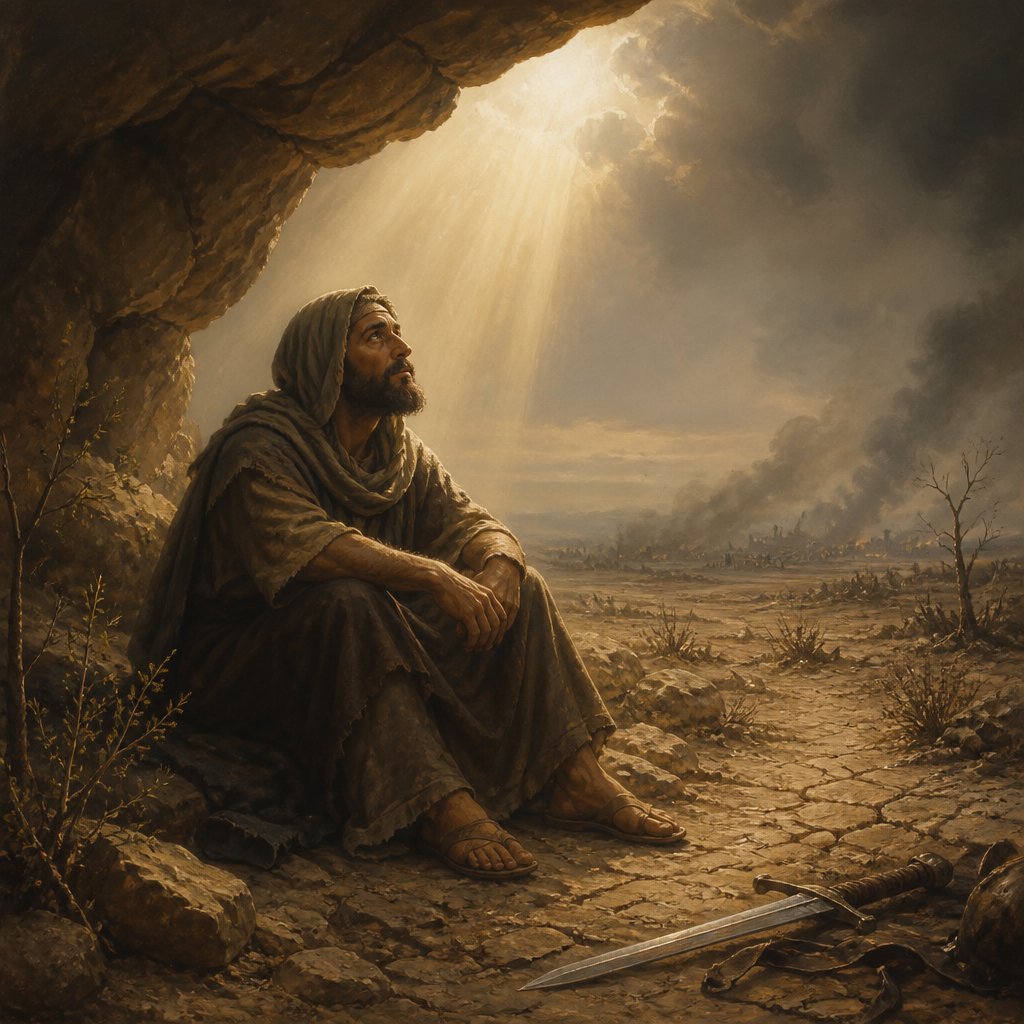
Job 5:20 in the King James Version of the Bible reads: "In famine he shall redeem thee from death: and in war from the power of the sword." This verse is from the book of Job, which is a story about a man named Job who faces immense suffering and loss, yet remains faithful to God. The verse comes from a speech given by one of Job's friends, Eliphaz, who is attempting to comfort and advise Job during his time of hardship.
The verse presents a message of hope and deliverance in the midst of dire circumstances. It speaks to the idea that God is a source of protection and deliverance for His people, even in the face of famine and war. From a thematic perspective, this verse touches on the themes of God's providence, protection, and deliverance for His people.
The broader context of the book of Job is essential for understanding the significance of this verse. Job is a righteous man who experiences the loss of his wealth, children, health, and ultimately, his faith is severely challenged. His friends, including Eliphaz, come to comfort him, but their attempts to explain his suffering only add to his pain. The book of Job is a profound exploration of the nature of suffering, faith, and the sovereignty of God.
In light of this context, Job 5:20 takes on added significance. Eliphaz is attempting to encourage Job by reminding him of the protection and deliverance that comes from God. The verse speaks to the belief that God provides for His people, even in the most desperate of circumstances. It offers a message of hope and reassurance in the face of fear and uncertainty.
The imagery of famine and war in the verse serves as a powerful symbol of some of the most extreme forms of human suffering and hardship. Famine represents the lack of essential resources such as food and water, while war symbolizes violence and conflict. In using these images, the verse emphasizes the breadth of God's deliverance and protection. No matter the severity of the circumstance, God is able to redeem His people and bring them to safety.
From a theological perspective, Job 5:20 reflects the belief in God as a redeemer and protector of His people. The verse acknowledges the reality of suffering in the world, but also affirms the presence of God in the midst of it. This echoes a central theme of the Bible – the idea that God is intimately involved in the lives of His people and is able to bring them through even the most challenging of circumstances.
Furthermore, the verse speaks to the broader biblical theme of God's faithfulness to His covenant promises. Throughout the Bible, God repeatedly demonstrates His commitment to caring for and delivering His people. Whether it is the Israelites in the Old Testament or believers in the New Testament, the Bible consistently presents God as a faithful and reliable source of protection and deliverance.
In conclusion, Job 5:20 in the King James Version of the Bible conveys a message of hope and deliverance in the face of suffering and hardship. It speaks to the belief in God as a redeemer and protector of His people, even in the most dire of circumstances. The verse draws on powerful imagery of famine and war to emphasize the breadth of God's deliverance. In the broader context of the book of Job, the verse takes on added significance as it seeks to comfort and encourage Job in the midst of his suffering. Ultimately, Job 5:20 serves as a reminder of God's providence, protection, and faithfulness to His people.
Get our apps


Artwork for Job 5:20
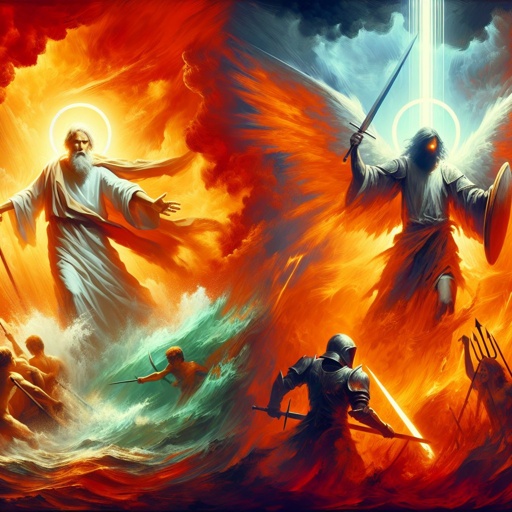
Job 5:20 - "In famine he shall redeem thee from death: and in war from the power of the sword."
"In famine he shall redeem thee from death: and in war from the power of the sword." - Job 5:20

Job 20:5 - "That the triumphing of the wicked is short, and the joy of the hypocrite but for a moment?"
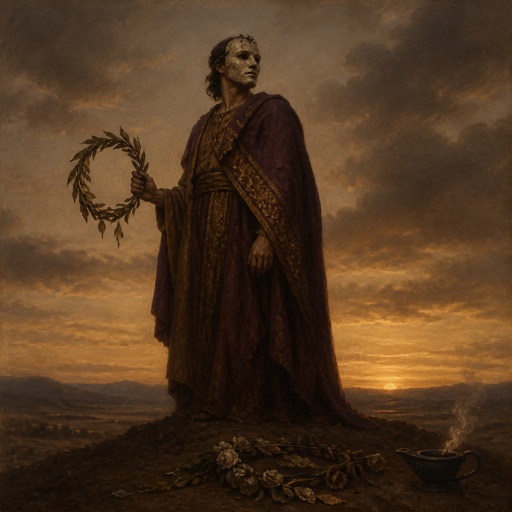
"That the triumphing of the wicked is short, and the joy of the hypocrite but for a moment?" - Job 20:5

Job 1:20

Job 1:20

Job 3:20-21 - "Job 3:20-21: Why is light given to those in misery, and life to the bitter of soul, to those who long for death that does not come, who search for it more than for hidden treasure?"

Job 1:20 - "Then Job arose, and rent his mantle, and shaved his head, and fell down upon the ground, and worshipped,"

Job 20:1 - "Then answered Zophar the Naamathite, and said,"

Job 20:20 - "Surely he shall not feel quietness in his belly, he shall not save of that which he desired."

job 42:5

Job 28:20 - "Whence then cometh wisdom? and where is the place of understanding?"

Job 36:20 - "Desire not the night, when people are cut off in their place."

Job 34:5 - "For Job hath said, I am righteous: and God hath taken away my judgment."

Job 1:5 no words

Job 1:5 no words

Job 20:4 - "Knowest thou not this of old, since man was placed upon earth,"

Job 20:17 - "He shall not see the rivers, the floods, the brooks of honey and butter."

Job 4:20 - "They are destroyed from morning to evening: they perish for ever without any regarding it."

Job 3:20 - "Wherefore is light given to him that is in misery, and life unto the bitter in soul;"

Job 29:20 - "My glory was fresh in me, and my bow was renewed in my hand."

Job 22:20 - "Whereas our substance is not cut down, but the remnant of them the fire consumeth."

Job 33:20 - "So that his life abhorreth bread, and his soul dainty meat."

Job 1:5 no words

Job 6:20 - "They were confounded because they had hoped; they came thither, and were ashamed."

Job 20:13 - "Though he spare it, and forsake it not; but keep it still within his mouth:"

Job 12:20 - "He removeth away the speech of the trusty, and taketh away the understanding of the aged."
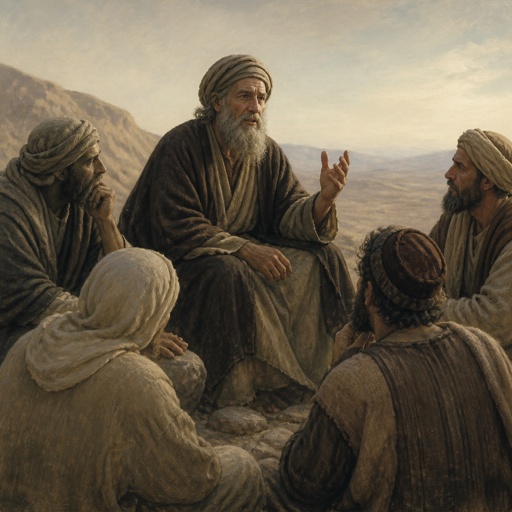
"Then answered Zophar the Naamathite, and said," - Job 20:1

Job 32:20 - "I will speak, that I may be refreshed: I will open my lips and answer."

Job 27:20 - "Terrors take hold on him as waters, a tempest stealeth him away in the night."