What does Job 6:30 mean?
“Is there iniquity in my tongue? cannot my taste discern perverse things?” — Job 6:30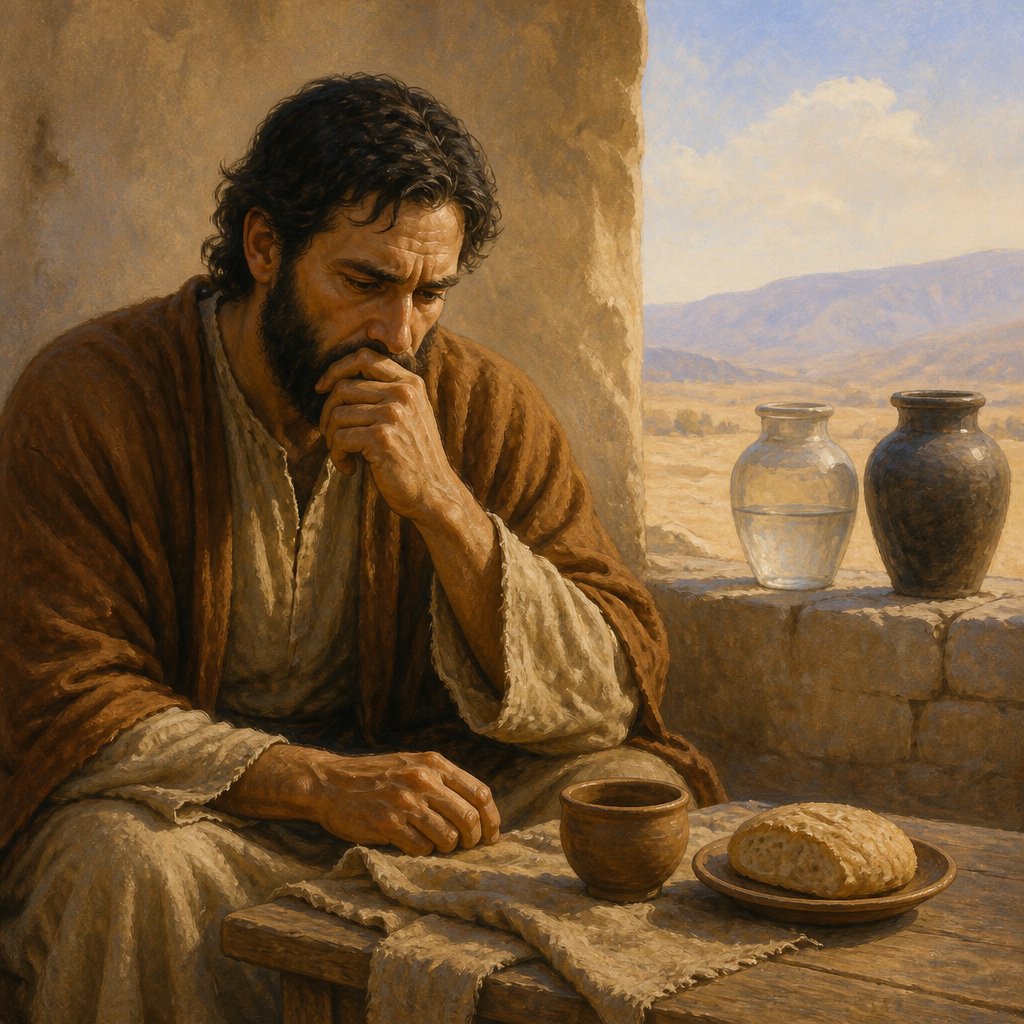
Job 6:30 (KJV):
"Is there iniquity in my tongue? cannot my taste discern perverse things?"
The book of Job is a profound and complex text in the Bible that deals with the question of suffering and the nature of God's justice. This particular verse is part of a larger passage in which Job, a righteous and blameless man, is lamenting his suffering and the apparent injustice of his situation.
In this verse, Job is questioning whether his words and actions hold any iniquity or perversity. He is essentially asking if he has done anything to deserve the intense suffering that has been inflicted upon him. This reflects the common human experience of grappling with the concept of deserved suffering. Job is essentially asking whether he is being punished for some hidden sin or transgression, or whether his suffering is unjust and arbitrary.
The broader context of the book of Job is essential for understanding the significance of this verse. Job was a man who had everything - wealth, family, and good health. However, Satan challenges God by suggesting that Job is only faithful because he is blessed. God then allows Satan to test Job by taking away everything he has. This leads to Job experiencing immense suffering - physically, emotionally, and spiritually.
In the midst of his suffering, Job's friends come to comfort him. However, they also question Job's righteousness, suggesting that he must have sinned greatly to deserve such suffering. Job's response is a passionate defense of his innocence and a deep questioning of the justice of God. This verse is a part of Job's response, in which he is essentially asking if there is any hidden fault in his actions that would explain the suffering he is enduring.
The themes in this verse are profound and enduring. One of the central themes is the human experience of suffering and the search for meaning in the face of pain and loss. Job's lament is a universal one, as humans throughout history have grappled with the concept of suffering and the apparent injustice of their circumstances. The question of whether suffering is deserved or arbitrary is a profound and difficult one, and one that has led to much philosophical and theological reflection.
Another theme in this verse is the nature of God and the human experience of trying to understand the divine. Job's question is ultimately a theological one - it is an attempt to make sense of the nature of God's justice and the reason for human suffering. This is a theme that runs throughout the book of Job, as Job and his friends wrestle with the question of God's justice and the reasons for human suffering.
The symbolism in this verse is powerful and multi-layered. The "tongue" can symbolize not only speech but also action and intention. Job is essentially questioning whether there is any fault in his words or deeds that would justify the suffering he is experiencing. The "taste" mentioned in the verse can symbolize discernment and moral judgment. Job is asking whether he has the ability to recognize and avoid perverse or sinful things.
Overall, Job 6:30 is a poignant and profound expression of human suffering and questioning in the face of adversity. It speaks to the universal human experience of grappling with the nature of suffering and the search for meaning in the midst of pain. It also addresses the fundamental questions of the nature of God's justice and the reasons for human suffering. This verse is a powerful and enduring part of the rich tapestry of the book of Job, and it continues to resonate with readers and thinkers across cultures and centuries.
Get our apps


Artwork for Job 6:30

Job 6:30 - "Is there iniquity in my tongue? cannot my taste discern perverse things?"
"Is there iniquity in my tongue? cannot my taste discern perverse things?" - Job 6:30

Job 30:6 - "To dwell in the clifts of the valleys, in caves of the earth, and in the rocks."

"To dwell in the clifts of the valleys, in caves of the earth, and in the rocks." - Job 30:6

Job 30:30 - "My skin is black upon me, and my bones are burned with heat."

Job 30:28

Job 30:28

Job 30:28

Job 30:28

Job 30:28

Job 34:30 - "That the hypocrite reign not, lest the people be ensnared."

Job 38:30 - "The waters are hid as with a stone, and the face of the deep is frozen."

Job 30:29 - "I am a brother to dragons, and a companion to owls."

Job 6:1 - "But Job answered and said,"

Job 30:9 - "And now am I their song, yea, I am their byword."

Job 30:27 - "My bowels boiled, and rested not: the days of affliction prevented me."

Job 30:4 - "Who cut up mallows by the bushes, and juniper roots for their meat."

Job 30:7 - "Among the bushes they brayed; under the nettles they were gathered together."

"My skin is black upon me, and my bones are burned with heat." - Job 30:30

Job 22:30 - "He shall deliver the island of the innocent: and it is delivered by the pureness of thine hands."

Job 30:25 - "Did not I weep for him that was in trouble? was not my soul grieved for the poor?"

Job 33:30 - "To bring back his soul from the pit, to be enlightened with the light of the living."

Job 30:13 - "They mar my path, they set forward my calamity, they have no helper."

Job 36:30 - "Behold, he spreadeth his light upon it, and covereth the bottom of the sea."

Job 21:30 - "That the wicked is reserved to the day of destruction? they shall be brought forth to the day of wrath."

Job 30:3 - "For want and famine they were solitary; fleeing into the wilderness in former time desolate and waste."

Job 40:6 - "¶ Then answered the LORD unto Job out of the whirlwind, and said,"

Job 30:31 - "My harp also is turned to mourning, and my organ into the voice of them that weep."

Job 30:17 - "My bones are pierced in me in the night season: and my sinews take no rest."

Job 30:10 - "They abhor me, they flee far from me, and spare not to spit in my face."