What does Job 7:7 mean?
“O remember that my life is wind: mine eye shall no more see good.” — Job 7:7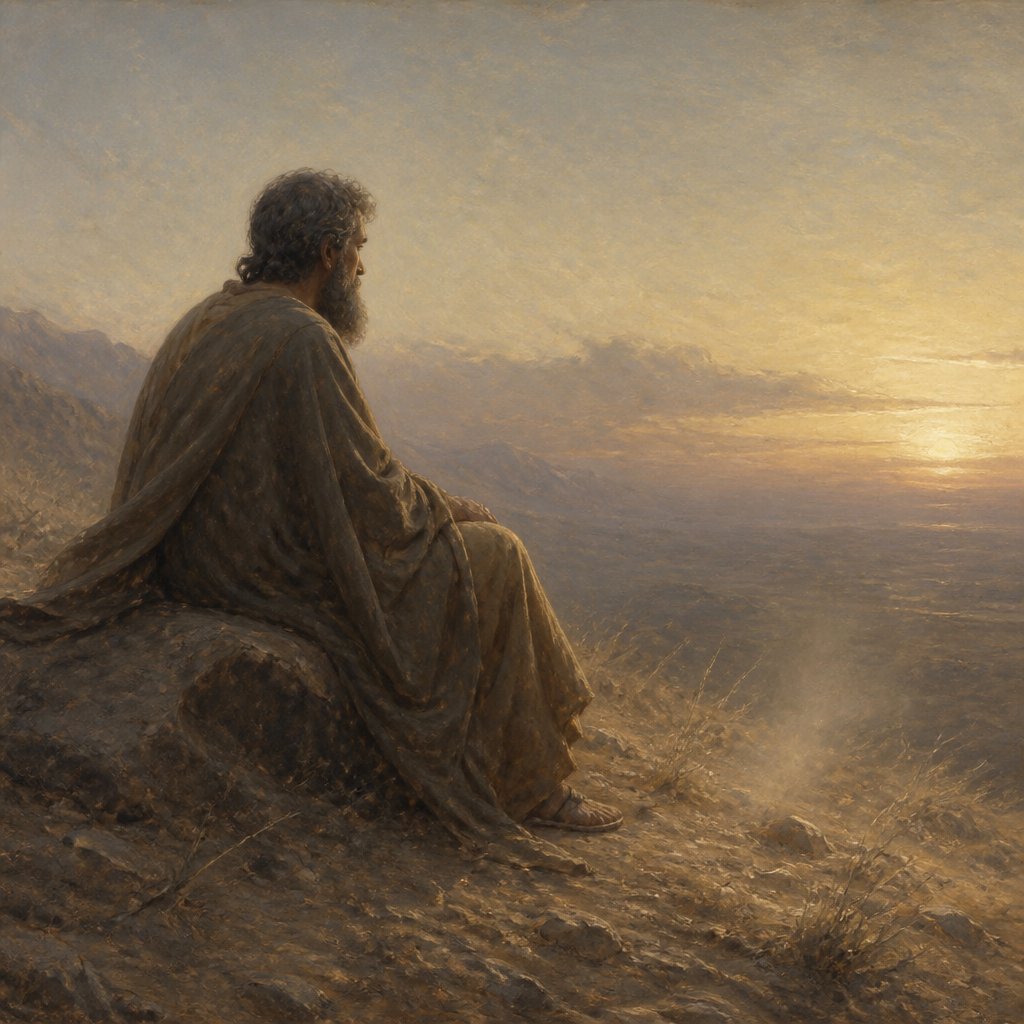
The Bible verse Job 7:7 from the King James Version (KJV) states: "O remember that my life is wind: mine eye shall no more see good." This verse comes from the book of Job in the Old Testament and is part of a larger passage that is Job's lament over his suffering and his plea to God for relief. The book of Job is known for its exploration of the problem of human suffering and the ways in which faith is tested in times of adversity.
The verse "O remember that my life is wind: mine eye shall no more see good" reflects Job's feelings of hopelessness and despair. He compares his life to wind, which is fleeting and insubstantial. This metaphor emphasizes the transitory nature of life and the impermanence of human existence. In Job's eyes, his suffering is so profound that he believes he will never experience joy or goodness again.
The theme of suffering is central to the book of Job, and this verse exemplifies Job's anguish and his struggle to find meaning in his pain. Throughout the book, Job grapples with the question of why he, a righteous man, is subjected to such intense suffering. His friends offer various explanations, suggesting that his suffering is a result of sin or moral failing, but Job maintains his innocence and refuses to accept their reasoning. Instead, he demands an audience with God, seeking an explanation for his plight.
In the larger context of the book of Job, this verse is part of a series of speeches in which Job expresses his deep despair and longing for relief. Job's suffering is both physical and emotional, and he feels abandoned by God. His lamentations are a poignant reflection of the human experience of pain and the longing for understanding and redemption.
The verse also contains elements of symbolism, particularly in its comparison of life to wind. Wind is often used symbolically in the Bible to represent impermanence and change. It is powerful and uncontrollable, yet ephemeral and intangible. By likening his life to wind, Job acknowledges the fleeting nature of human existence and the unpredictability of life's circumstances. This metaphor underscores the fragility of human life and the uncertainty of the future.
Furthermore, the phrase "mine eye shall no more see good" conveys a sense of finality and resignation. Job believes that his suffering is so overwhelming that he has lost all hope of experiencing happiness or joy again. This expression of despair is a powerful portrayal of the depths of human suffering and the struggle to maintain faith in the face of adversity.
In summary, Job 7:7 from the King James Version presents a poignant portrayal of Job's anguish and despair in the midst of profound suffering. This verse reflects the theme of suffering that is central to the book of Job and illustrates the symbolic use of language to convey the transitory nature of life and the longing for redemption. It is a profound meditation on the human experience of pain and the search for meaning in the face of adversity.
Get our apps


Artwork for Job 7:7

Job 7:7 - "O remember that my life is wind: mine eye shall no more see good."
"O remember that my life is wind: mine eye shall no more see good." - Job 7:7

Job 1:7

Job 1:7

Job 1:7

Job 34:7 - "What man is like Job, who drinketh up scorning like water?"

Job 38:4-7

Job 13:7 - "Will ye speak wickedly for God? and talk deceitfully for him?"

Job 9:7 - "Which commandeth the sun, and it riseth not; and sealeth up the stars."

Job 24:7 - "They cause the naked to lodge without clothing, that they have no covering in the cold."

Job 7:14 - "Then thou scarest me with dreams, and terrifiest me through visions:"

Job 38:7 - "When the morning stars sang together, and all the sons of God shouted for joy?"

Job 28:7 draw a hidden path

Job 30:7 - "Among the bushes they brayed; under the nettles they were gathered together."

Job 5:7 - "Yet man is born unto trouble, as the sparks fly upward."

Job 6:7 - "The things that my soul refused to touch are as my sorrowful meat."

Job 21:7 - "Wherefore do the wicked live, become old, yea, are mighty in power?"

Job 7:2 - "As a servant earnestly desireth the shadow, and as an hireling looketh for the reward of his work:"

Job 3:7 - "Lo, let that night be solitary, let no joyful voice come therein."

Job 39:7 - "He scorneth the multitude of the city, neither regardeth he the crying of the driver."

Job 7:12 - "Am I a sea, or a whale, that thou settest a watch over me?"
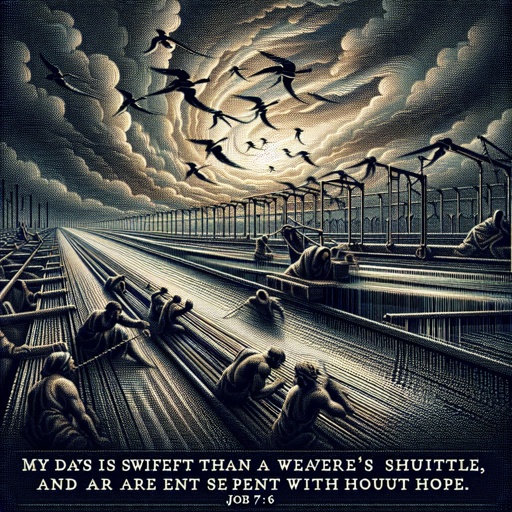
Job 7:6 - "My days are swifter than a weaver's shuttle, and are spent without hope."

Job 28:7 - "There is a path which no fowl knoweth, and which the vulture's eye hath not seen:"

Job 2:7 - "¶ So went Satan forth from the presence of the LORD, and smote Job with sore boils from the sole of his foot unto his crown."

Job 32:7 - "I said, Days should speak, and multitude of years should teach wisdom."

Job 27:7 - "Let mine enemy be as the wicked, and he that riseth up against me as the unrighteous."

Job 14:7 - "For there is hope of a tree, if it be cut down, that it will sprout again, and that the tender branch thereof will not cease."

Job 15:7 - "Art thou the first man that was born? or wast thou made before the hills?"

Job 7:18 - "And that thou shouldest visit him every morning, and try him every moment?"

Job 7:15 - "So that my soul chooseth strangling, and death rather than my life."