What does Job 7:9 mean?
“As the cloud is consumed and vanisheth away: so he that goeth down to the grave shall come up no more.” — Job 7:9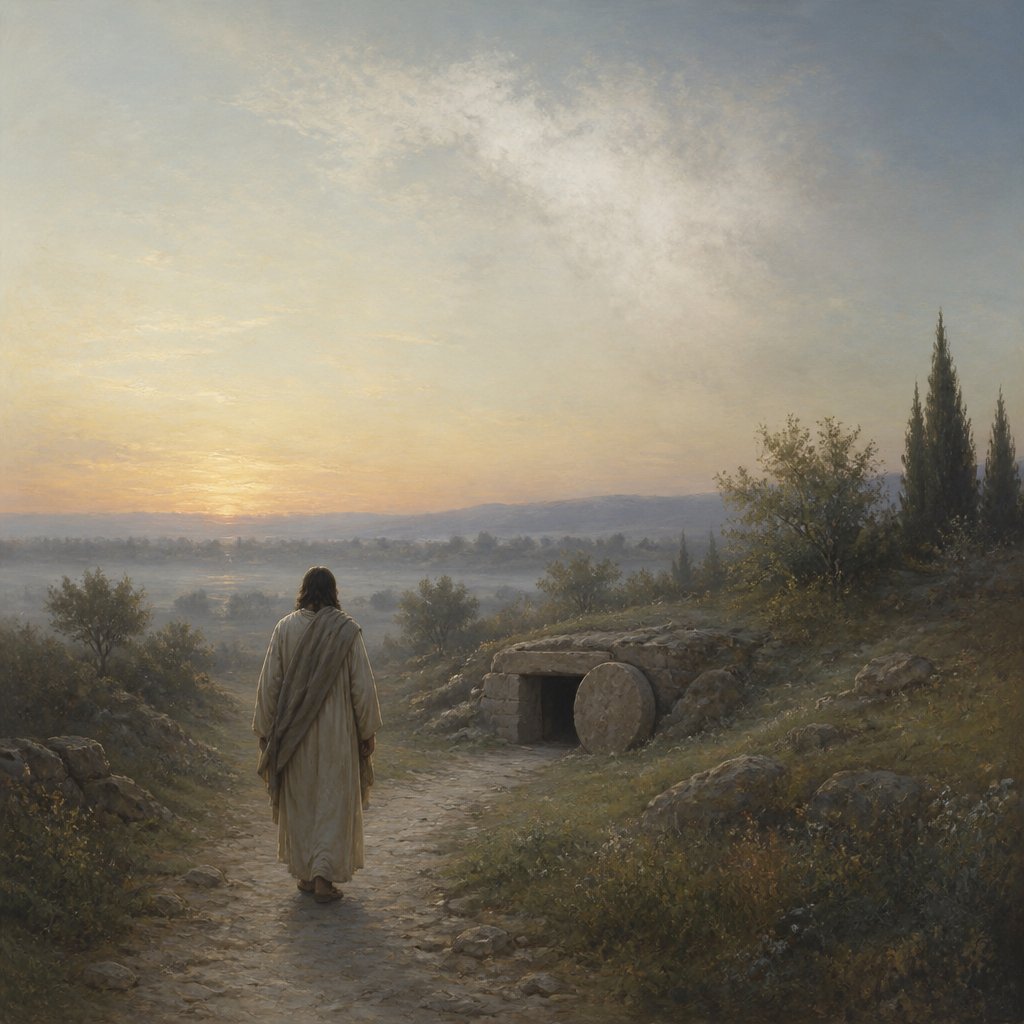
Job 7:9 (KJV): "As the cloud is consumed and vanisheth away: so he that goeth down to the grave shall come up no more."
This verse is part of a larger passage in the book of Job in the Old Testament. The book of Job is known for its exploration of the nature of suffering and the complex questions it raises about God's justice and human experience. In this particular passage, Job is expressing his despair and anguish, using vivid imagery to illustrate the finality and hopelessness of death.
The verse begins with a simile comparing the fleeting nature of life to a cloud that is consumed and vanishes away. This comparison conveys the transient and ephemeral nature of human existence. Just as a cloud can be rapidly and completely consumed, so too can a person's life pass by swiftly and ultimately end in death. This imagery serves to emphasize the brevity and fragility of life, highlighting the inevitability of mortality.
The latter part of the verse reinforces this sense of finality by asserting that those who go down to the grave will not come up again. This declaration reflects a common ancient Near Eastern understanding of death as a permanent and irreversible state. In the context of the book of Job, this statement is uttered in the midst of Job's suffering, as he grapples with the deep anguish and despair caused by the loss of his family, wealth, and health.
From a thematic standpoint, this verse contributes to the overarching theme of the book of Job, which is the exploration of suffering and the human response to it. Job's lamentations and profound reflections on the nature of suffering raise fundamental questions about the relationship between God and mankind, the role of suffering in human life, and the reality of mortality. In this context, the verse serves as a poignant expression of the despair and resignation that can accompany the contemplation of death and the fragility of life.
The verse also carries symbolic significance, as it can be interpreted as a metaphor for the futility of human existence and the limitations of earthly life. The image of the cloud being consumed and vanishing evokes a sense of fleetingness and impermanence, underscoring the transitory nature of human life. Likewise, the assertion that those who go down to the grave will not come up again symbolizes the finality and irrevocability of death.
In addition, this verse can be seen as a reflection of the ancient Hebrew perspective on the afterlife. The concept of Sheol, the underworld or realm of the dead in Hebrew cosmology, was often depicted as a place of darkness and silence, where the deceased were believed to dwell in a state of unconscious existence. Job's statement about the permanence of the grave reflects this traditional understanding of the afterlife, conveying a sense of resignation to the inevitability of death and the unknown nature of what lies beyond.
Overall, Job 7:9 (KJV) is a verse that encapsulates the profound existential and theological questions that permeate the book of Job. Through its vivid imagery, thematic resonance, and symbolic significance, it powerfully conveys the human experience of confronting mortality and the enigma of suffering. In the broader context of the book of Job, this verse serves as a poignant reminder of the profound mysteries and complexities of human existence and the relentless pursuit of meaning in the face of adversity.
Get our apps


Artwork for Job 7:9
"As the cloud is consumed and vanisheth away: so he that goeth down to the grave shall come up no more." - Job 7:9

Job 9:7 - "Which commandeth the sun, and it riseth not; and sealeth up the stars."

"Which commandeth the sun, and it riseth not; and sealeth up the stars." - Job 9:7

Job 9:1 - "Then Job answered and said,"

"Then Job answered and said," - Job 9:1

Job 1:9 - "Then Satan answered the LORD, and said, Doth Job fear God for nought?"

Job 9:9 - "Which maketh Arcturus, Orion, and Pleiades, and the chambers of the south."

Job 34:7 - "What man is like Job, who drinketh up scorning like water?"

Job 1:7

Job 1:7

Job 1:7

Job 1:9 no words

Job 1:9 no words

Job 7:7 - "O remember that my life is wind: mine eye shall no more see good."

Job 38:4-7

Job 42:9 - "So Eliphaz the Temanite and Bildad the Shuhite and Zophar the Naamathite went, and did according as the LORD commanded them: the LORD also accepted Job."

Job 9:29 - "If I be wicked, why then labour I in vain?"

Job 29:9 - "The princes refrained talking, and laid their hand on their mouth."

Job 4:9 - "By the blast of God they perish, and by the breath of his nostrils are they consumed."

Job 39:9 - "Will the unicorn be willing to serve thee, or abide by thy crib?"

Job 12:9 - "Who knoweth not in all these that the hand of the LORD hath wrought this?"

Job 37:9 - "Out of the south cometh the whirlwind: and cold out of the north."

Job 24:9 - "They pluck the fatherless from the breast, and take a pledge of the poor."

Job 9:35 - "Then would I speak, and not fear him; but it is not so with me."

Job 36:9 - "Then he sheweth them their work, and their transgressions that they have exceeded."

Job 9:26 - "They are passed away as the swift ships: as the eagle that hasteth to the prey."

Job 9:23 - "If the scourge slay suddenly, he will laugh at the trial of the innocent."

"Which maketh Arcturus, Orion, and Pleiades, and the chambers of the south." - Job 9:9

Job 2:7 - "¶ So went Satan forth from the presence of the LORD, and smote Job with sore boils from the sole of his foot unto his crown."

Job 30:9 - "And now am I their song, yea, I am their byword."