What does Job 8:11 mean?
“Can the rush grow up without mire? can the flag grow without water?” — Job 8:11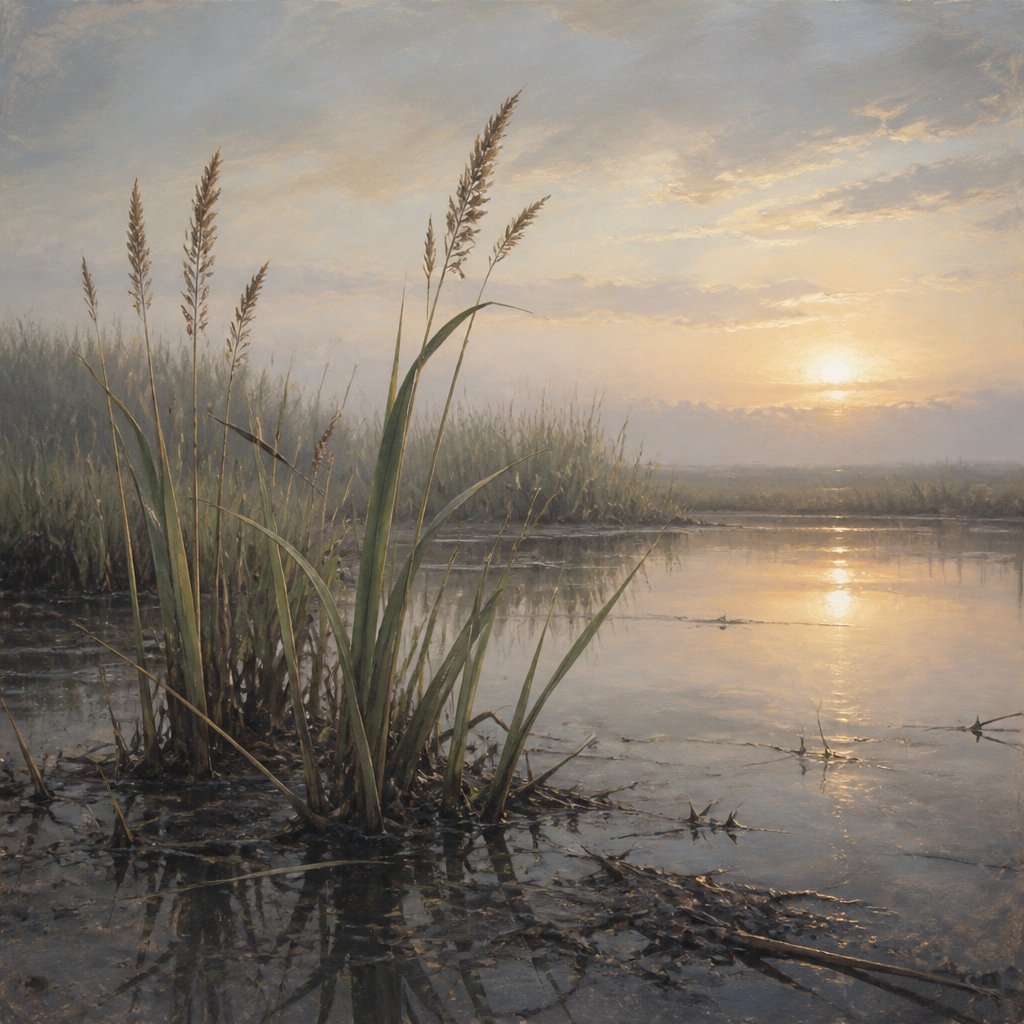
The book of Job in the Old Testament is a complex and profound exploration of the problem of suffering and the sovereignty of God. In Job 8:11, Bildad, one of Job's friends, speaks in response to Job's lamentations, offering his perspective on the situation. The verse reads, "Can the rush grow up without mire? can the flag grow without water?" At first glance, this verse may seem simple, but when placed in the context of the larger narrative of Job, it takes on a deeper and more significant meaning.
To fully understand the meaning of this verse, it is important to consider the themes, context, and symbolism surrounding this passage. The book of Job is a poetic and philosophical dialogue between Job and his friends, as they wrestle with the questions of why righteous people suffer and how an all-powerful and good God can allow such suffering to occur.
Bildad's statement in Job 8:11 alludes to the idea that just as a rush or flag plant cannot thrive without its necessary elements, so too, a person cannot prosper without living according to certain principles. The rush and flag plants are aquatic plants that require specific conditions in order to grow and thrive. Bildad is using this imagery to convey the idea that just as these plants need water and mire to flourish, so too, there are essential principles and laws that govern the prosperity and well-being of individuals. He is implying that suffering might be a reflection of one's failure to adhere to these principles and laws.
Bildad's words reflect the theological concept of retribution and the belief that suffering is a consequence of sin. In this context, the water and mire symbolize the necessary conditions for growth and prosperity, and Bildad suggests that without these conditions, one cannot expect to thrive. This reflects a common understanding in ancient Near Eastern cultures that suffering and misfortune were often seen as the result of wrongdoing and sin.
However, it is important to consider the entire book of Job when interpreting Bildad's words. Job is a story that challenges simplistic views of suffering and retribution. Job, a righteous and blameless man, is subjected to unimaginable suffering despite his innocence. The book of Job ultimately grapples with the limitations of human understanding and the mystery of God's ways. Bildad's perspective, while sincerely held, is ultimately challenged by the larger narrative of Job, which raises questions about the nature of suffering and the justice of God.
In the broader context of the book of Job, Bildad's words serve as a reminder of the human tendency to seek simple explanations for complex problems. The book of Job challenges us to wrestle with the reality of suffering and the inscrutable ways of God. It encourages us to move beyond easy answers and to embrace the profound mystery of faith.
In conclusion, Job 8:11 offers a powerful reflection on the nature of suffering, the search for meaning, and the limitations of human understanding. Bildad's words remind us of the ancient belief in retribution and the idea that suffering is often seen as a consequence of sin. However, when placed within the larger narrative of the book of Job, this verse also serves as a reminder of the complexity of human experience and the inscrutable ways of God. It challenges us to move beyond simplistic explanations and to embrace a deeper understanding of the mystery of suffering and the sovereignty of God.
Get our apps


Artwork for Job 8:11

Job 8:11 - "Can the rush grow up without mire? can the flag grow without water?"
"Can the rush grow up without mire? can the flag grow without water?" - Job 8:11

Job 11:8 - "It is as high as heaven; what canst thou do? deeper than hell; what canst thou know?"

Romans 8:11

Psalm 80:8-11
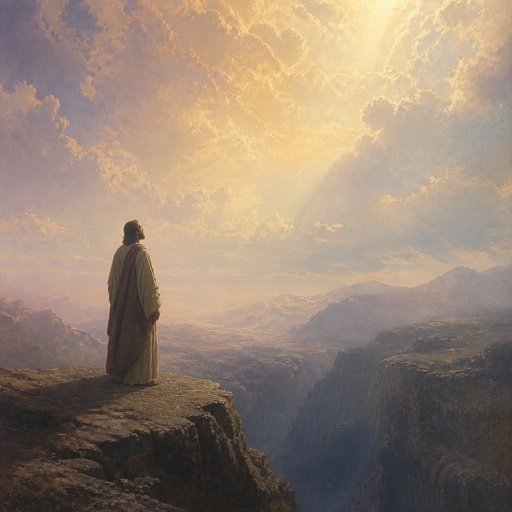
"It is as high as heaven; what canst thou do? deeper than hell; what canst thou know?" - Job 11:8

Job 1:8

Job 11:11 - "For he knoweth vain men: he seeth wickedness also; will he not then consider it?"

Job 2:11-13

Job 8:8 - "For enquire, I pray thee, of the former age, and prepare thyself to the search of their fathers:"

Job 2:11-13

Job 2:11-13

Job 11:1 - "Then answered Zophar the Naamathite, and said,"

Job 8:1 - "Then answered Bildad the Shuhite, and said,"

Job 37:8 - "Then the beasts go into dens, and remain in their places."

Job 36:8 - "And if they be bound in fetters, and be holden in cords of affliction;"

Job 26:11 - "The pillars of heaven tremble and are astonished at his reproof."

Job 31:11 - "For this is an heinous crime; yea, it is an iniquity to be punished by the judges."

Job 8:19 - "Behold, this is the joy of his way, and out of the earth shall others grow."

Job 21:8 - "Their seed is established in their sight with them, and their offspring before their eyes."

Job 32:8 - "But there is a spirit in man: and the inspiration of the Almighty giveth them understanding."

Job 22:11 - "Or darkness, that thou canst not see; and abundance of waters cover thee."

Job 15:11 - "Are the consolations of God small with thee? is there any secret thing with thee?"

Job 24:8 - "They are wet with the showers of the mountains, and embrace the rock for want of a shelter."

Job 13:8 - "Will ye accept his person? will ye contend for God?"

Job 21:11 - "They send forth their little ones like a flock, and their children dance."

Job 12:11 - "Doth not the ear try words? and the mouth taste his meat?"

Job 11:9 - "The measure thereof is longer than the earth, and broader than the sea."

Job 14:11 - "As the waters fail from the sea, and the flood decayeth and drieth up:"

Job 28:8 - "The lion's whelps have not trodden it, nor the fierce lion passed by it."