What does Joel 1:2 mean?
“Hear this, ye old men, and give ear, all ye inhabitants of the land. Hath this been in your days, or even in the days of your fathers?” — Joel 1:2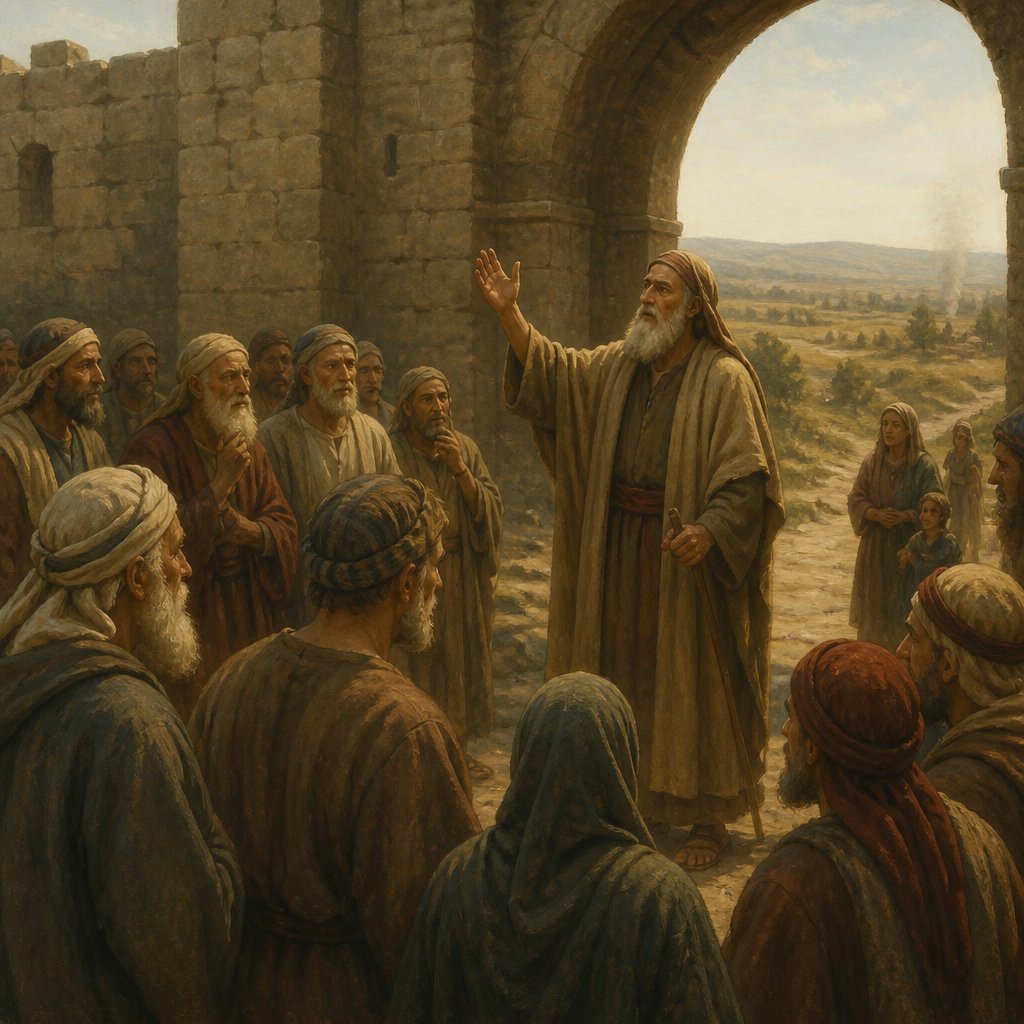
"2 Hear this, ye old men, and give ear, all ye inhabitants of the land. Hath this been in your days, or even in the days of your fathers?"
The book of Joel is one of the twelve minor prophets in the Old Testament and is attributed to the prophet Joel, who ministered to the southern kingdom of Judah. The verse Joel 1:2 calls for attention from the people, specifically the older generation, to reflect on the current state of affairs and compare it to the past. It serves as a call to heed the warnings and teachings of the Lord and to take responsibility for the spiritual and moral condition of the land.
The theme of this verse revolves around the concept of historical reflection and the responsibilities of the older generation. By addressing the old men and inhabitants of the land, Joel is acknowledging the wisdom and experience of the elders and calling on them to serve as mentors and guides to the younger generation. It also highlights the importance of passing down the knowledge and lessons learned from the past to ensure a better future.
The context of Joel 1:2 is situated in a time of great calamity and devastation. Joel is addressing a community that has been ravaged by a series of disasters, including a locust plague and a severe drought. The land is barren, and the people are suffering. In the midst of this crisis, Joel is calling for reflection on the causes and consequences of these events, as well as for repentance and a return to God.
The verse uses rhetorical questioning to prompt the audience to consider the gravity of the situation. By asking whether such devastation has ever been witnessed in their days or in the days of their fathers, Joel is highlighting the severity of the current circumstances and emphasizing the need for collective action and introspection. The implication is that the current state of affairs is unprecedented and requires a unified effort to address and rectify.
The symbolism in Joel 1:2 lies in the contrast between the present and the past. The mention of "old men" and "inhabitants of the land" represents the accumulation of wisdom and knowledge throughout generations. The reference to "your days" and "the days of your fathers" serves to draw a parallel between the experiences of the older generation and the current crisis. It symbolizes the cyclical nature of history and the interconnectedness of past, present, and future.
Furthermore, the verse can also be seen as a representation of the relationship between God and His people. It underscores the idea that God's teachings and warnings are timeless and that the consequences of disobedience and neglecting His commandments are cyclical. The call to the older generation to reflect on the past serves as a reminder of the covenant between God and His people and the importance of upholding it for the wellbeing of the community.
In conclusion, Joel 1:2 is a poignant and compelling call to the older generation to take responsibility for the spiritual and moral condition of the land. It serves as a reminder of the importance of historical reflection, passing down wisdom and knowledge, and upholding the covenant with God. The verse encapsulates the themes of historical reflection, spiritual responsibility, and the interconnectedness of past, present, and future. It serves as a timeless message that resonates with the challenges and responsibilities faced by communities throughout history.
Get our apps


Artwork for Joel 1:2

Joel 1:2-4, 13-20

Joel 1:2 - "Hear this, ye old men, and give ear, all ye inhabitants of the land. Hath this been in your days, or even in the days of your fathers?"
"Hear this, ye old men, and give ear, all ye inhabitants of the land. Hath this been in your days, or even in the days of your fathers?" - Joel 1:2

Joel 1:1 - "The word of the LORD that came to Joel the son of Pethuel."
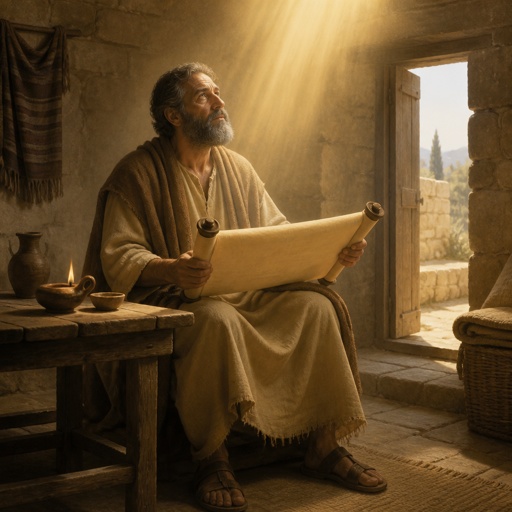
"The word of the LORD that came to Joel the son of Pethuel." - Joel 1:1

Joel 2:28

Joel 2:28

Joel 2

Joel 2:28

1 Samuel 8:2 - "Now the name of his firstborn was Joel; and the name of his second, Abiah: they were judges in Beer-sheba."

Joel 2:22

Joel 2:28-29

Joel 2:28-29

Joel 2:16-20

Joel 2:28-29

Joel 2:1 - "Blow ye the trumpet in Zion, and sound an alarm in my holy mountain: let all the inhabitants of the land tremble: for the day of the LORD cometh, for it is nigh at hand;"
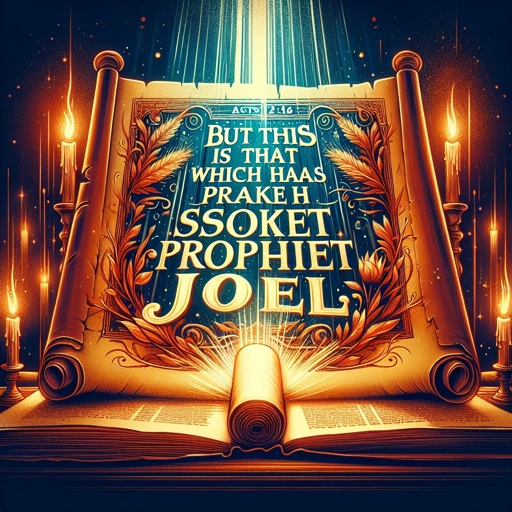
Acts 2:16 - "But this is that which was spoken by the prophet Joel;"

Joel 1 natural disaster

Joel 2:18 - "¶ Then will the LORD be jealous for his land, and pity his people."

Joel 2:28 – "And afterward, I will pour out my Spirit on all people."

Joel 2:28 – "And afterward, I will pour out my Spirit on all people."

Joel 2:4 - "The appearance of them is as the appearance of horses; and as horsemen, so shall they run."

Joel 2:15 - "¶ Blow the trumpet in Zion, sanctify a fast, call a solemn assembly:"

Joel 2:28 – "And afterward, I will pour out my Spirit on all people."

1 Chronicles 11:38 - "Joel the brother of Nathan, Mibhar the son of Haggeri,"

Joel 2:24 - "And the floors shall be full of wheat, and the fats shall overflow with wine and oil."

Joel 2:21 - "¶ Fear not, O land; be glad and rejoice: for the LORD will do great things."

Joel 2:30 - "And I will shew wonders in the heavens and in the earth, blood, and fire, and pillars of smoke."

"But this is that which was spoken by the prophet Joel;" - Acts 2:16

1 Chronicles 23:8 - "The sons of Laadan; the chief was Jehiel, and Zetham, and Joel, three."