What does John 1:27 mean?
“He it is, who coming after me is preferred before me, whose shoe’s latchet I am not worthy to unloose.” — John 1:27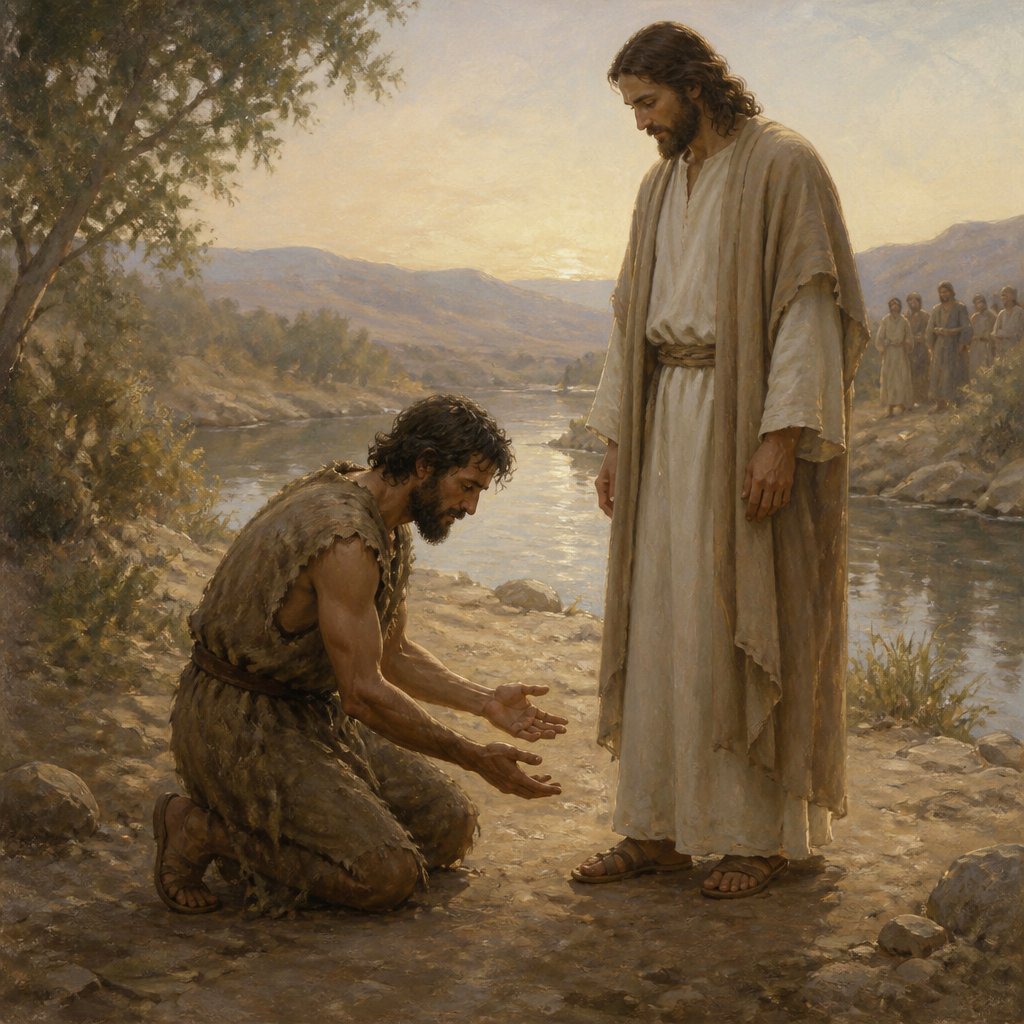
John 1:27 (KJV) reads: "He it is, who coming after me is preferred before me, whose shoe's latchet I am not worthy to unloose."
This verse is part of the opening of the Gospel of John, which highlights the divinity of Jesus Christ. In this particular verse, John the Baptist is speaking to a group of Jews who have questioned him about his identity and purpose. His response serves to emphasize the superiority of Jesus and the humility with which he, John, regards Jesus.
The key themes in this verse include humility, servanthood, and the superiority of Jesus Christ. These themes resonate throughout the entire Gospel of John and are central to the Christian faith.
The context of John 1:27 is an important factor in understanding its meaning. John the Baptist, a prophet and forerunner of Jesus, was widely known and respected among the Jewish people. He had a fervent following and was influential in his preaching and baptizing activities. However, when confronted about his identity, John is quick to redirect the attention to Jesus, the one whom they should truly be focused on.
In the verse, John humbly acknowledges that Jesus, who was to come after him, was far greater and more worthy than he was. This demonstrates John's understanding of his place in the grand scheme of God's plan. He sees himself as a servant of the Lord, unworthy to even perform the lowliest of tasks for Jesus, such as unfastening his sandals.
The symbolism in this verse is rich and significant. The act of unloosing the sandals of a guest was often considered a task for the lowest of servants, and John's willingness to portray himself in this manner conveys a powerful message of humility and servanthood. It also serves as a visual representation of John's acknowledgment of Jesus' superiority and his own unworthiness in comparison.
Furthermore, the reference to unloosing sandals has a deeper significance in the historical and cultural context of the time. In ancient Jewish culture, removing one's sandals often symbolized entering into a holy or sacred space. By acknowledging his unworthiness to even perform this menial task for Jesus, John is recognizing the holiness and greatness of Jesus as the Son of God.
This verse also conveys an important truth about Jesus Christ as the Messiah and Savior. John's declaration about Jesus coming after him but being superior to him points to the divine nature of Jesus. It underscores the belief that Jesus is the fulfillment of the long-awaited promise of a Messiah who would bring salvation and reconciliation between God and humanity.
In conclusion, John 1:27, within its larger context, serves as a powerful testament to the humility and servanthood of John the Baptist, as well as a profound declaration of the superiority and divinity of Jesus Christ. It encapsulates key themes of humility, servanthood, and the exaltation of Jesus, and its symbolism carries weighty significance in conveying these themes. This verse holds deep theological and spiritual meaning for Christians, as it points to the central figure of the Christian faith and sets the tone for the Gospel of John's portrayal of Jesus as the Son of God and the Savior of the world.
Get our apps


Artwork for John 1:27

John 1:27 - "He it is, who coming after me is preferred before me, whose shoe's latchet I am not worthy to unloose."
"He it is, who coming after me is preferred before me, whose shoe's latchet I am not worthy to unloose." - John 1:27

1 John 2:27

1 John 2:27

1 John 2:27

1 John 2:27

John 20:27

John 20:27

John 19:25-27

John 3:27 - "John answered and said, A man can receive nothing, except it be given him from heaven."

John 19:25-27

John 19:26-27

John 18:27 - "Peter then denied again: and immediately the cock crew."

John 8:27 - "They understood not that he spake to them of the Father."

John 19:25-27 with emphasis on Mary

John 10:27 - "My sheep hear my voice, and I know them, and they follow me:"

1 John 2:27 - "But the anointing which ye have received of him abideth in you, and ye need not that any man teach you: but as the same anointing teacheth you of all things, and is truth, and is no lie, and even as it hath taught you, ye shall abide in him."

"They understood not that he spake to them of the Father." - John 8:27

John 15:27 - "And ye also shall bear witness, because ye have been with me from the beginning."

John 5:27 - "And hath given him authority to execute judgment also, because he is the Son of man."

John 7:27 - "Howbeit we know this man whence he is: but when Christ cometh, no man knoweth whence he is."
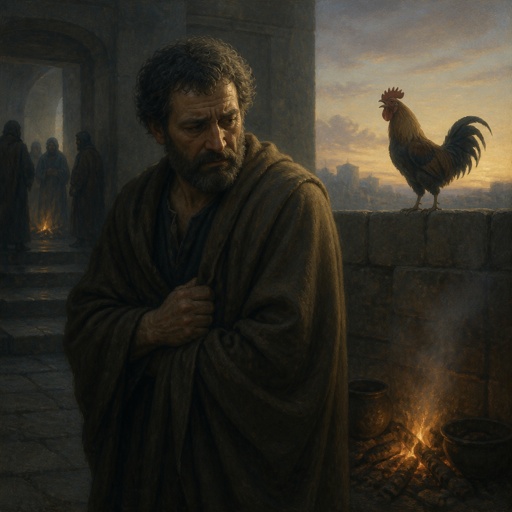
"Peter then denied again: and immediately the cock crew." - John 18:27

John 13:27 - "And after the sop Satan entered into him. Then said Jesus unto him, That thou doest, do quickly."

"John answered and said, A man can receive nothing, except it be given him from heaven." - John 3:27

John 19:27 - "Then saith he to the disciple, Behold thy mother! And from that hour that disciple took her unto his own home."
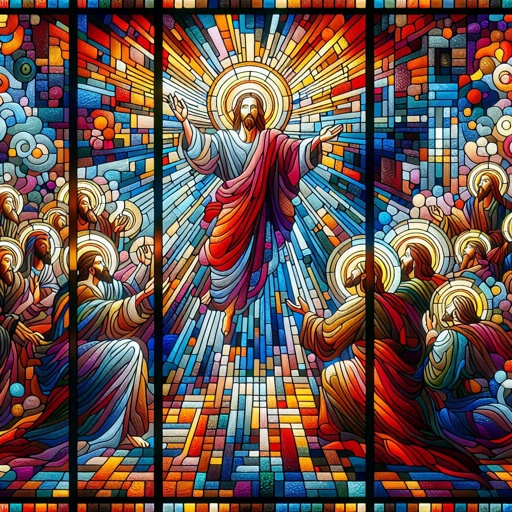
John 16:27 - "For the Father himself loveth you, because ye have loved me, and have believed that I came out from God."
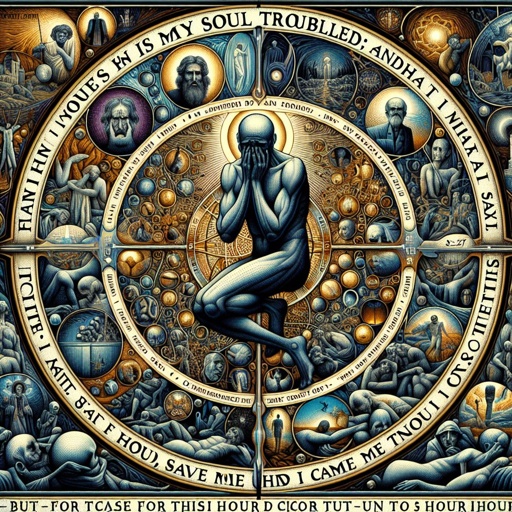
John 12:27 - "Now is my soul troubled; and what shall I say? Father, save me from this hour: but for this cause came I unto this hour."

John 11:27 - "She saith unto him, Yea, Lord: I believe that thou art the Christ, the Son of God, which should come into the world."

luke 1:27

1 Chronicles 1:27 - "Abram; the same is Abraham."