What does John 10:13 mean?
“The hireling fleeth, because he is an hireling, and careth not for the sheep.” — John 10:13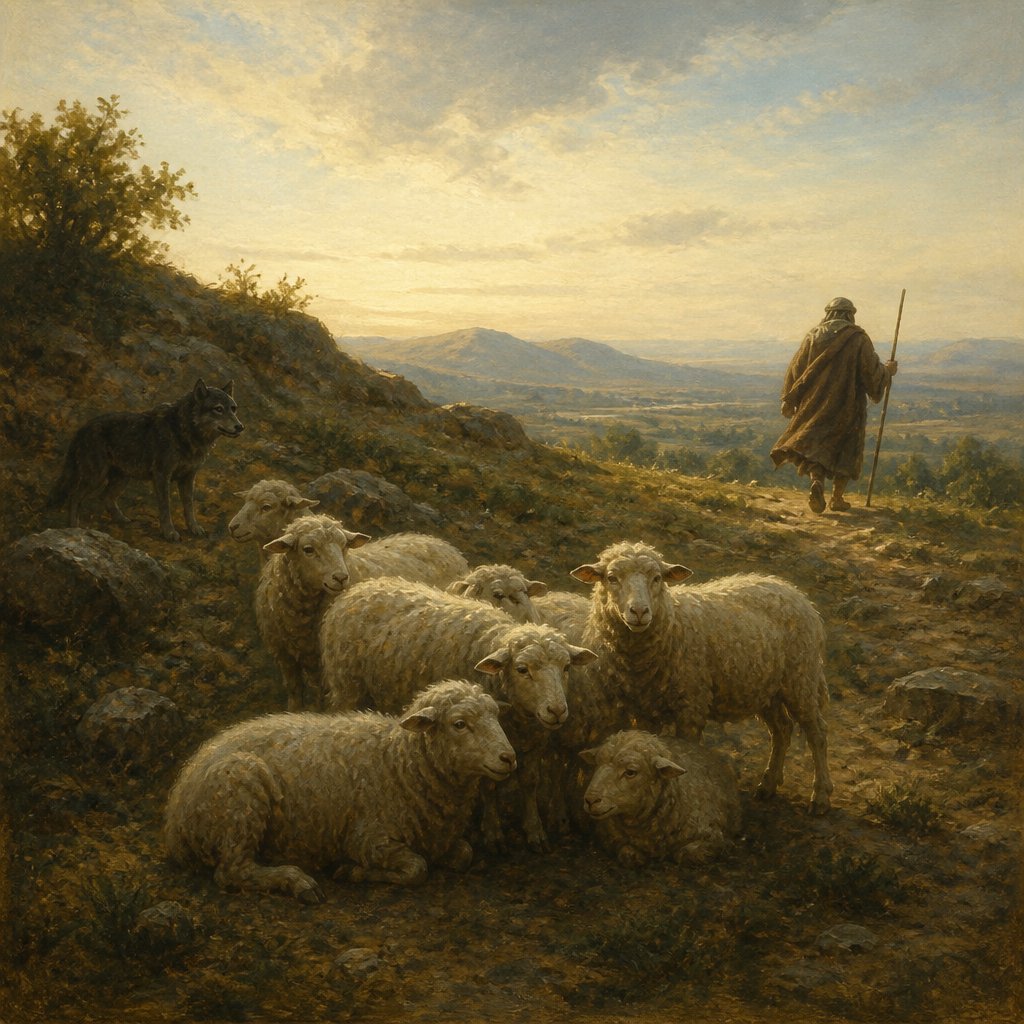
The Bible verse John 10:13 is found in the New Testament and reads, "The hireling fleeth, because he is an hireling, and careth not for the sheep." This verse is part of a larger passage in which Jesus describes himself as the good shepherd who knows his sheep and lays down his life for them. In contrast, the hireling, or hired hand, does not truly care for the sheep and will abandon them in times of danger.
This verse carries significant meaning within its contextual framework, as it addresses the responsibilities and qualities of a true shepherd, as well as the contrast with someone who is only in it for personal gain. In order to truly understand the deeper meaning of this verse, it is important to delve into its themes, context, and symbolism within the larger narrative of John 10 and within the entire biblical context.
One of the central themes of John 10:13 is the concept of genuine care and selflessness. Jesus, in likening himself to a good shepherd, emphasizes the sacrificial nature of his love for his followers. He is willing to lay down his life for the sheep, a symbol of his deep compassion and commitment to their well-being. This stands in stark contrast to the hireling, who is only concerned with his own welfare and will abandon the sheep when faced with danger. This theme of selfless love and care can be seen throughout the New Testament, particularly in the teachings and actions of Jesus, and it serves as a foundational aspect of Christian faith and morality.
The context of John 10:13 further enhances its significance. In the preceding verses, Jesus speaks of himself as the gate for the sheep and the one who leads them to safety and provision. He makes it clear that his relationship with his followers is one rooted in trust, guidance, and protection. When he mentions the hireling in verse 13, he is drawing a sharp distinction between his own character and that of those who would exploit or neglect the flock for their own gain. This context helps to illuminate the importance of sincere care and stewardship within the Christian community, as well as the dangers of false or insincere leadership.
Symbolism also plays a crucial role in understanding the deeper meaning of John 10:13. Throughout the Bible, shepherds and sheep are frequently used as symbolic representations of God and his people. The image of the good shepherd caring for his flock is a powerful symbol of God's love, protection, and guidance for his followers. In this verse, Jesus embodies the ultimate good shepherd, whose dedication to the sheep is unwavering and sacrificial. The hireling, on the other hand, symbolizes those who exploit or neglect God's people for their own selfish purposes, whether they be religious leaders, political authorities, or others in positions of influence.
In conclusion, John 10:13 offers a profound commentary on the nature of genuine care and leadership within the Christian community. It emphasizes the selfless love and sacrificial nature of Jesus as the ultimate good shepherd, while also warning against the dangers of false or insincere leadership. This verse serves as a reminder of the qualities that should define those in positions of authority and influence, and it calls upon believers to embody the same spirit of sacrificial love and care in their own relationships with others. Ultimately, John 10:13 points to the central message of the New Testament – the importance of love, compassion, and selflessness in both our spiritual and earthly lives.
Get our apps


Artwork for John 10:13

John 10:13 - "The hireling fleeth, because he is an hireling, and careth not for the sheep."
"The hireling fleeth, because he is an hireling, and careth not for the sheep." - John 10:13

John 13:10 - "Jesus saith to him, He that is washed needeth not save to wash his feet, but is clean every whit: and ye are clean, but not all."

John 10:10

John 10:10

John 10:10

John 10:10

John 10:10

John 10:10

John 10:10

John 13

John 10:41 - "And many resorted unto him, and said, John did no miracle: but all things that John spake of this man were true."

John 10:30

John 13:13 - "Ye call me Master and Lord: and ye say well; for so I am."

John 13: 34-35

John 13:4-9

JOHN 6:11-13

John 20:11-13

John 9:10

John 10:30

John 10:9

John 10:9

John 10:9

1 John 4:13

John 13:31-35

John 10:40 - "And went away again beyond Jordan into the place where John at first baptized; and there he abode."

"Jesus saith to him, He that is washed needeth not save to wash his feet, but is clean every whit: and ye are clean, but not all." - John 13:10

John 10:42 - "And many believed on him there."

John 15:9-10

John 15:9-10