What does John 10:25 mean?
“Jesus answered them, I told you, and ye believed not: the works that I do in my Father’s name, they bear witness of me.” — John 10:25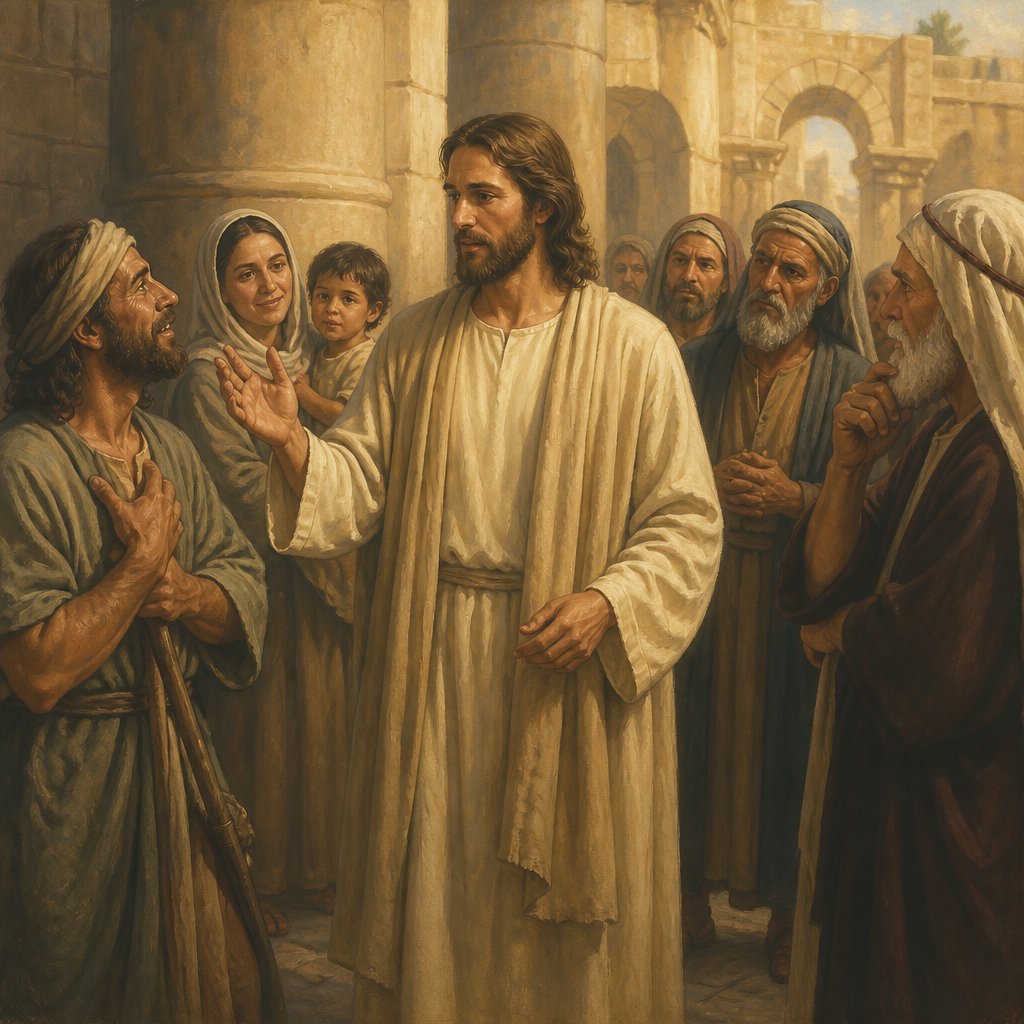
"Jesus answered them, I told you, and ye believed not: the works that I do in my Father's name, they bear witness of me."
In this verse, Jesus is responding to the Jews who demand to know if he is the Messiah. He tells them that he has already told them who he is, but they have not believed him. Instead of simply answering their question, Jesus points to the works that he has done in his Father's name as evidence of his identity.
This verse highlights the theme of belief and disbelief. Throughout the Gospel of John, there is a recurring emphasis on the importance of belief in Jesus as the Son of God. In this particular instance, Jesus is challenging the Jews to reconsider their disbelief in him, despite the works he has done that bear witness to his identity. This challenges readers to consider their own beliefs and the evidence they have to support those beliefs.
The context of this verse is also important in understanding its significance. The Jews were looking for a Messiah who would come as a conquering king to liberate them from Roman rule. But Jesus came as a humble servant, teaching about love, forgiveness, and eternal life. His works, such as healing the sick, feeding the hungry, and raising the dead, demonstrated his authority and power as the Son of God. Yet, despite this evidence, many of the Jews continued to reject him.
The mention of "the works that I do in my Father's name" also points to the symbolism of Jesus' mission on earth. His works were not just miraculous displays of power, but they also represented his role as the bringer of the kingdom of God. By doing the works of his Father, Jesus was fulfilling the prophecies and promises of the Old Testament and establishing the foundation for the new covenant.
Furthermore, this verse emphasizes the relationship between Jesus and his Father. Throughout the Gospel of John, Jesus repeatedly speaks of his close relationship with God the Father. By doing the works of his Father, Jesus is aligning himself with the divine will and purpose, pointing to the unity of the Father and the Son in their mission to redeem and reconcile humanity to God.
Overall, this verse from the Gospel of John offers a profound commentary on the nature of belief, the evidence of Jesus' identity as the Son of God, and the significance of his works as a demonstration of his divine mission. It challenges readers to consider their own beliefs and the evidence they have to support those beliefs, while also pointing to the unity of the Father and the Son in their mission to bring about the kingdom of God.
Get our apps


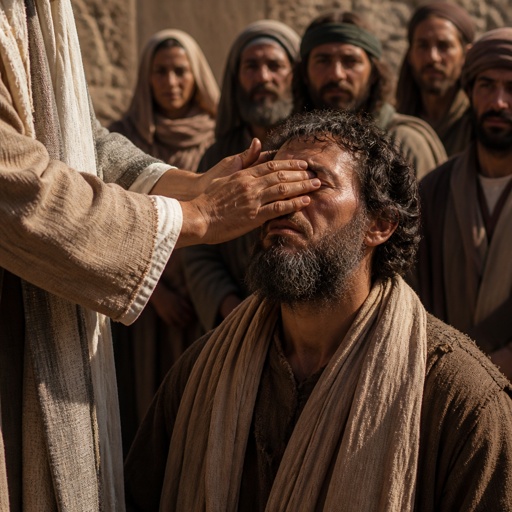
Artwork for John 10:25
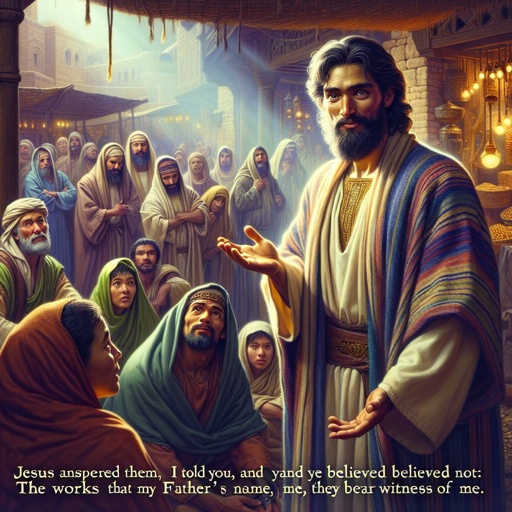
John 10:25 - "Jesus answered them, I told you, and ye believed not: the works that I do in my Father's name, they bear witness of me."
"Jesus answered them, I told you, and ye believed not: the works that I do in my Father's name, they bear witness of me." - John 10:25

John 18:25

John 10:10

John 10:10

John 10:10

John 12:25

John 15.12-25

John 21:25

John 10:10

John 10:10

John 10:10

John 10:10

John 19:25-27

John 19:25-27

John 19:25-27 with emphasis on Mary

Psalm 25:10
Palme 25:10

Genesis 25-10

John 7:25 - "Then said some of them of Jerusalem, Is not this he, whom they seek to kill?"

John 3:25 - "¶ Then there arose a question between some of John's disciples and the Jews about purifying."

Nehemiah 10:25 - "Rehum, Hashabnah, Maaseiah,"

John 10:41 - "And many resorted unto him, and said, John did no miracle: but all things that John spake of this man were true."

John 10:30

John 2:25 - "And needed not that any should testify of man: for he knew what was in man."

1 John 2:25 - "And this is the promise that he hath promised us, even eternal life."

John 13:25 - "He then lying on Jesus' breast saith unto him, Lord, who is it?"

Exodus 25:10-22
John 9:10

John 10:30