What does John 11:1 mean?
“Now a certain man was sick, named Lazarus, of Bethany, the town of Mary and her sister Martha.” — John 11:1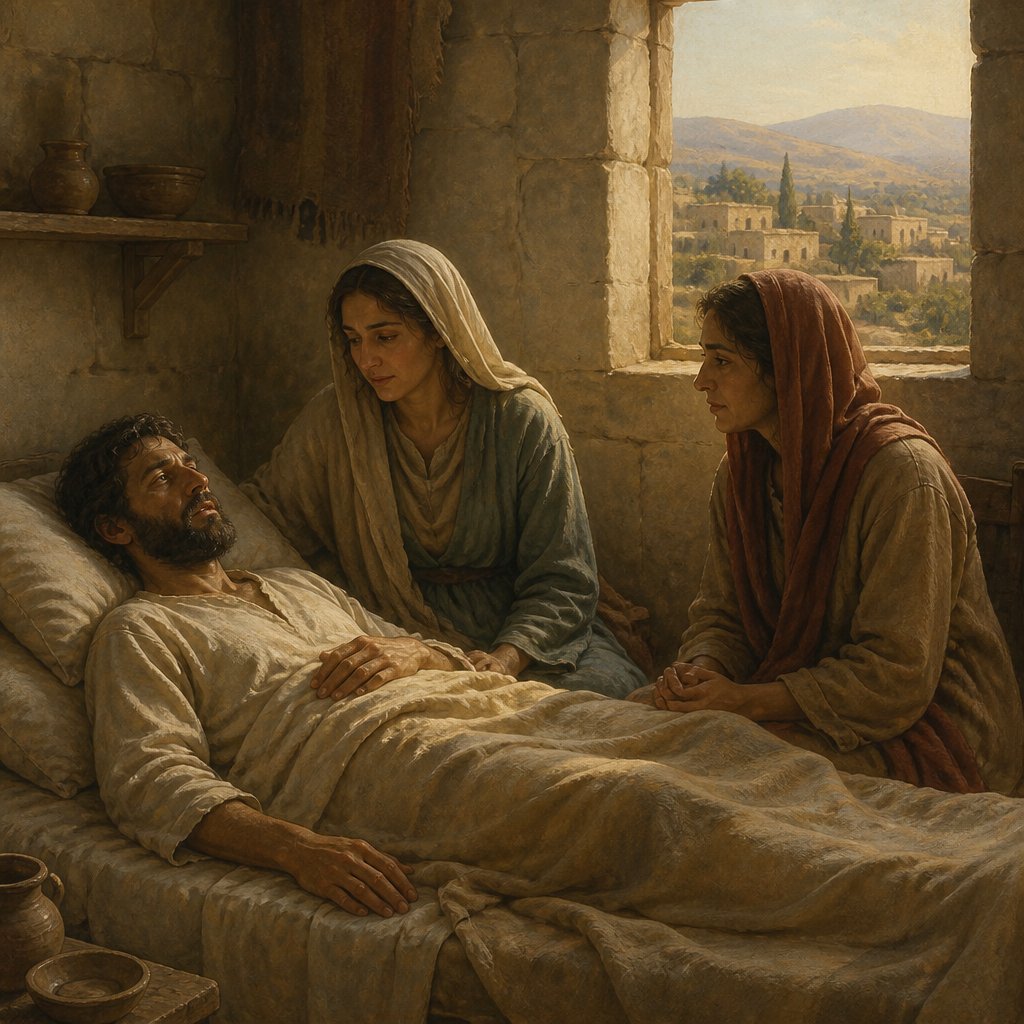
The Bible verse John 11:1 in the King James Version (KJV) reads, "Now a certain man was sick, named Lazarus, of Bethany, the town of Mary and her sister Martha." This verse is the opening statement to the story of Lazarus, which is found in the gospel of John, and sets the stage for one of the most powerful miracles performed by Jesus.
This verse introduces us to Lazarus, who is described as being sick. We also learn that he is from the town of Bethany, and that he has two sisters, Mary and Martha. This simple and seemingly straightforward verse actually introduces a number of powerful themes and provides important context for the story that follows.
The theme of sickness and healing is central to this verse. Sickness is a common human experience, and it is something that touches all of our lives at one point or another. In this verse, we see that even those who are close to Jesus are not immune to sickness, which serves as a reminder of the frailty and vulnerability of human life. However, the story of Lazarus also shows us that Jesus has the power to heal even the most dire of circumstances. This theme of healing and restoration is a source of hope and comfort for believers, as it shows that no situation is beyond the reach of God's power.
The town of Bethany is also significant in this verse. Bethany is mentioned several times in the New Testament as being the home of some of Jesus' closest friends, including Mary, Martha, and Lazarus. It was a place where Jesus found love, support, and friendship, and where he frequently retreated to in order to rest and recharge. The fact that Lazarus is from Bethany suggests that he was also someone who was close to Jesus and who had a deep relationship with him. This context adds emotional weight to the story, as it demonstrates the depth of Jesus' connection to Lazarus and his family.
The mention of Mary and Martha also adds an important layer of meaning to this verse. These two sisters are well-known figures in the New Testament, and they are often seen as emblematic of different aspects of the Christian life. Martha is the practical and responsible sister, while Mary is the contemplative and devoted one. Their presence in this verse serves as a reminder of the different ways in which we can express our faith and our relationship with Jesus. It also foreshadows the different reactions that they will have to the miracle of Lazarus' resurrection in the verses that follow.
Symbolism is also an important aspect of this verse. The name "Lazarus" has symbolic significance, as it means "God is my help" in Hebrew. This name takes on added meaning in the context of the story, as it suggests that even in the face of sickness and death, God is always present and ready to offer his help and support. The town of Bethany also holds symbolic significance, as it represents a place of love, fellowship, and rest in the midst of a chaotic world.
In conclusion, John 11:1 is a verse that introduces us to the story of Lazarus, setting the stage for a powerful and emotionally resonant tale of sickness, faith, and the miraculous power of Jesus. It introduces important themes of healing, friendship, and the different ways in which we can express our faith, and it also carries significant symbolic weight. This verse serves as a reminder of the depth of Jesus' love and power, and it offers hope and comfort to all who read it.
Get our apps


Artwork for John 11:1

John 11:1 - "Now a certain man was sick, named Lazarus, of Bethany, the town of Mary and her sister Martha."
"Now a certain man was sick, named Lazarus, of Bethany, the town of Mary and her sister Martha." - John 11:1

In John 11:1-16, we read the beginning of the story of Lazarus, a close friend of Jesus, who becomes very ill. His sisters, Mary and Martha, sent for Jesus, hoping He would come and heal Lazarus. However, rather than going immediately, Jesus delays His visit, saying that this illness will ultimately reveal God’s glory. Jesus eventually tells His disciples that Lazarus has “fallen asleep” and that He will awaken him, using a metaphor to teach about life and death. Despite the danger of returning to Judea where people wanted to kill Him, Jesus leads His disciples there, showing His courage and love for Lazarus. Thomas, showing boldness and loyalty, declares they should follow Jesus, even if it means dying with Him. This passage reveals important truths about God’s perfect timing, Jesus’ authority over life and death, His deep love, and His call to follow Him regardless of circumstances.

John 1:11 - "He came unto his own, and his own received him not."

2 John 1:11 - "For he that biddeth him God speed is partaker of his evil deeds."

1 John 3:11 - "For this is the message that ye heard from the beginning, that we should love one another."

1 John 5:11 - "And this is the record, that God hath given to us eternal life, and this life is in his Son."

1 John 4:11 - "Beloved, if God so loved us, we ought also to love one another."

3 John 1:11 – "Dear friend, do not imitate what is evil but what is good."

3 John 1:11 - "Beloved, follow not that which is evil, but that which is good. He that doeth good is of God: but he that doeth evil hath not seen God."

1 John 2:11 - "But he that hateth his brother is in darkness, and walketh in darkness, and knoweth not whither he goeth, because that darkness hath blinded his eyes."

John (11:35) Jesus wept.

John (11:35) Jesus wept.

John (11:35) Jesus wept.
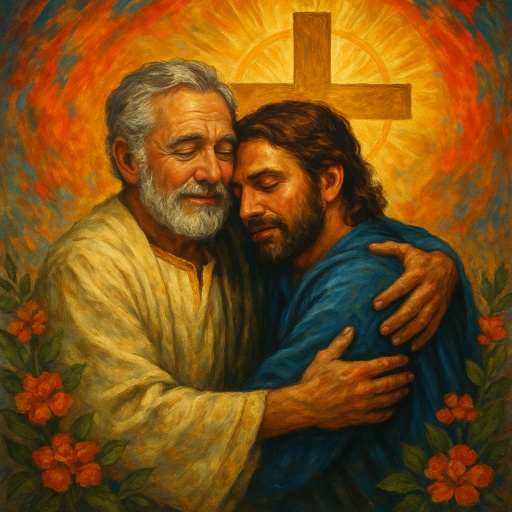
"Beloved, if God so loved us, we ought also to love one another." - 1 John 4:11
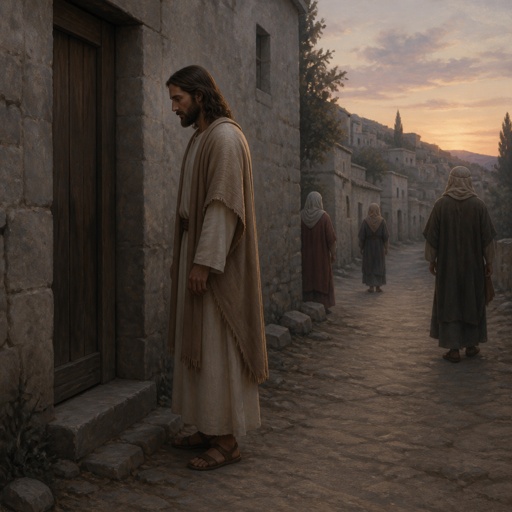
"He came unto his own, and his own received him not." - John 1:11

John 11:35

John 15.1-11

John 11:35

John (11:35) Jesus wept.

John (11:35) Jesus wept.

John (11:35) Jesus wept.

John (11:35) Jesus wept.

John (11:35) Jesus wept.

John (11:35) Jesus wept.
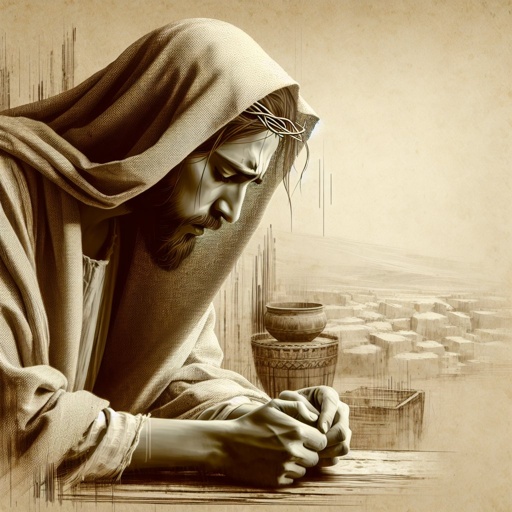
John 11:35 - "Jesus wept."

John (11:35) Jesus wept.

John (11:35) Jesus wept.

John (11:35) Jesus wept.

John (11:35) Jesus wept.