What does John 11:41 mean?
“Then they took away the stone from the place where the dead was laid. And Jesus lifted up his eyes, and said, Father, I thank thee that thou hast heard me.” — John 11:41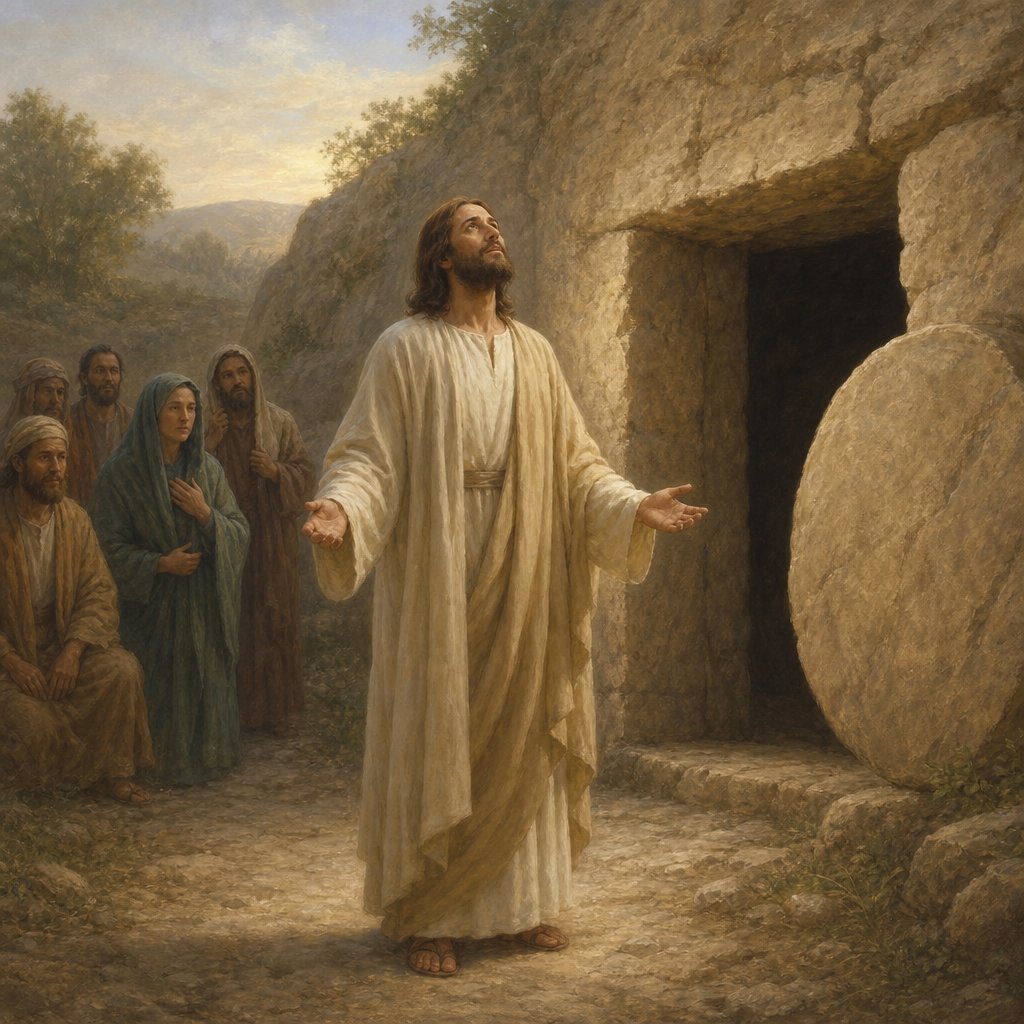
John 11:41 in the King James Version of the Bible reads: "Then they took away the stone from the place where the dead was laid. And Jesus lifted up his eyes, and said, Father, I thank thee that thou hast heard me."
This verse comes from the story of the death and resurrection of Lazarus. Jesus had been informed that Lazarus was very sick, and yet he delayed his visit to him. By the time Jesus arrives in Bethany, Lazarus has already been dead for four days. This verse takes place just before Jesus performs the miracle of raising Lazarus from the dead.
The verse begins with the removal of the stone from the entrance of the tomb where Lazarus was laid. This action is representative of the removal of obstacles in our lives. The stone in front of Lazarus' tomb was a physical barrier to Jesus, but it can also be seen as a symbol of the barriers that keep us from experiencing the fullness of life and the power of God. Jesus did not need the stone to be removed in order to call Lazarus forth, but he had it removed as a demonstration of the power of God and to increase the faith of those around him.
After the stone is removed, Jesus looks up to heaven and speaks to the Father. This signifies the importance of communication with God. Jesus was constantly in communion with the Father, and this verse serves as a reminder for believers to also communicate with God through prayer. Jesus was expressing his gratitude to God for hearing him, even though he had not yet performed the miracle. This serves as a model for believers to have faith in God's power and to express thankfulness before the answer to their prayers is even revealed.
The themes present in this verse include faith, communication with God, gratitude, and the power of God. The entire story of Lazarus' death and resurrection is a testament to the power of faith in God and Jesus' ability to overcome death. Jesus demonstrates his authority over death and his ability to bring life to the dead. This theme is not only present in this specific story but also carries over to the promise of eternal life for believers.
The context of this verse is also significant. Jesus deliberately delayed his visit to Lazarus in order to demonstrate the power of God and to increase the faith of those around him. When Martha, Lazarus' sister, expresses her grief and disappointment in Jesus' late arrival, Jesus reassures her that Lazarus will rise again. This leads to the famous declaration by Jesus, "I am the resurrection and the life. He who believes in me will live, even though he dies; and whoever lives and believes in me will never die" (John 11:25-26). This context sets the stage for the miracle that takes place in this verse and underscores the themes of faith, resurrection, and the power of God.
In addition to these themes and context, this verse also holds a great deal of symbolism. The removal of the stone represents the removal of barriers and obstacles in our lives. It symbolizes the power of God to overcome anything that stands in the way of his will. The act of Jesus looking up to heaven and expressing gratitude to the Father symbolizes the importance of maintaining communication with God and being thankful for his provision and power.
In conclusion, John 11:41 in the King James Version of the Bible holds deep meaning and significance. It serves as a reminder of the power of faith, the importance of communication with God, and the ability of God to overcome all obstacles. This verse also contributes to the larger theme of Jesus' ability to conquer death and his promise of eternal life for believers. It is a powerful and impactful verse that continues to inspire and encourage Christians today.
Get our apps


Artwork for John 11:41
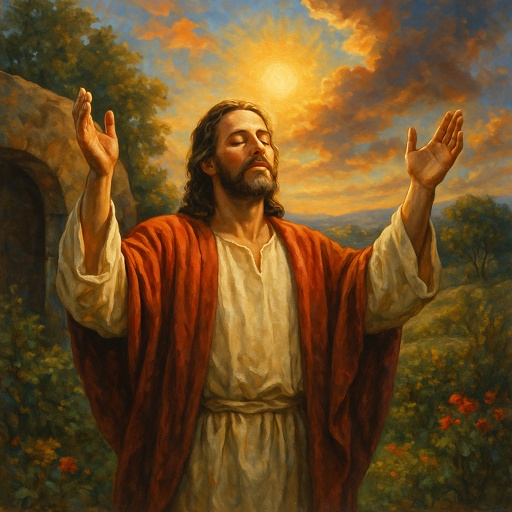
"Then they took away the stone from the place where the dead was laid. And Jesus lifted up his eyes, and said, Father, I thank thee that thou hast heard me." - John 11:41

John 11:41 - "Then they took away the stone from the place where the dead was laid. And Jesus lifted up his eyes, and said, Father, I thank thee that thou hast heard me."
"Then they took away the stone from the place where the dead was laid. And Jesus lifted up his eyes, and said, Father, I thank thee that thou hast heard me." - John 11:41

John 10:41 - "And many resorted unto him, and said, John did no miracle: but all things that John spake of this man were true."

John 9:1-41

John 5:41 - "I receive not honour from men."

John 4:41 - "And many more believed because of his own word;"

Mark 10:41 - "And when the ten heard it, they began to be much displeased with James and John."

John 7:41 - "Others said, This is the Christ. But some said, Shall Christ come out of Galilee?"

John 12:41 - "These things said Esaias, when he saw his glory, and spake of him."

1 Chronicles 11:41 - "Uriah the Hittite, Zabad the son of Ahlai,"
"I receive not honour from men." - John 5:41

Leviticus 11:41 - "And every creeping thing that creepeth upon the earth shall be an abomination; it shall not be eaten."

John 6:41 - "The Jews then murmured at him, because he said, I am the bread which came down from heaven."

John 19:41 - "Now in the place where he was crucified there was a garden; and in the garden a new sepulchre, wherein was never man yet laid."

"And many resorted unto him, and said, John did no miracle: but all things that John spake of this man were true." - John 10:41
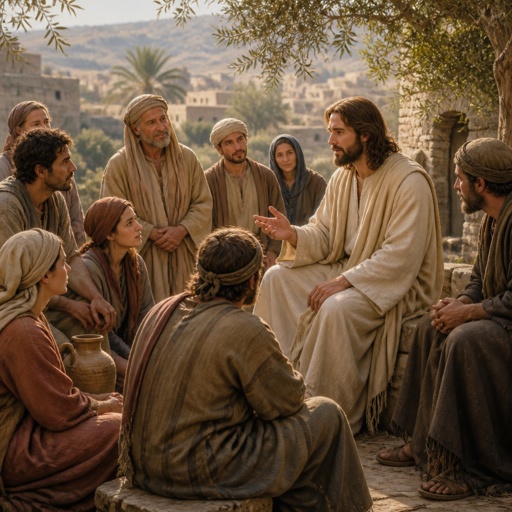
"And many more believed because of his own word;" - John 4:41

John 8:41 - "Ye do the deeds of your father. Then said they to him, We be not born of fornication; we have one Father, even God."

1 Kings 11:41 - "¶ And the rest of the acts of Solomon, and all that he did, and his wisdom, are they not written in the book of the acts of Solomon?"

Psalms 41:11 - "By this I know that thou favourest me, because mine enemy doth not triumph over me."

Luke 11:41 - "But rather give alms of such things as ye have; and, behold, all things are clean unto you."

"And when the ten heard it, they began to be much displeased with James and John." - Mark 10:41

John 1:41 - "He first findeth his own brother Simon, and saith unto him, We have found the Messias, which is, being interpreted, the Christ."

Job 41:11 - "Who hath prevented me, that I should repay him? whatsoever is under the whole heaven is mine."

John 9:41 - "Jesus said unto them, If ye were blind, ye should have no sin: but now ye say, We see; therefore your sin remaineth."

"Uriah the Hittite, Zabad the son of Ahlai," - 1 Chronicles 11:41

John (11:35) Jesus wept.

Isaiah 41:11 - "Behold, all they that were incensed against thee shall be ashamed and confounded: they shall be as nothing; and they that strive with thee shall perish."

Genesis 41:11 - "And we dreamed a dream in one night, I and he; we dreamed each man according to the interpretation of his dream."
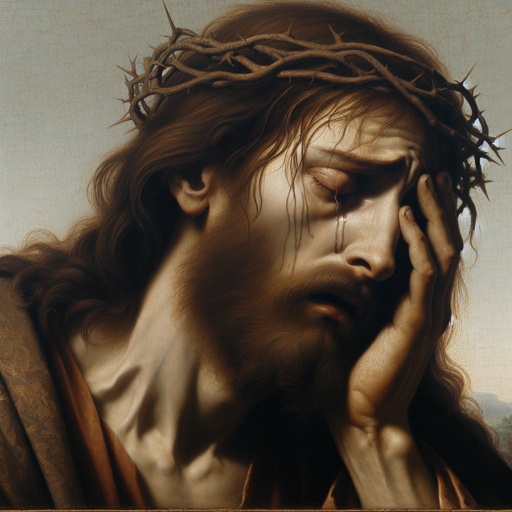
John (11:35) Jesus wept.