What does John 11:56 mean?
“Then sought they for Jesus, and spake among themselves, as they stood in the temple, What think ye, that he will not come to the feast?” — John 11:56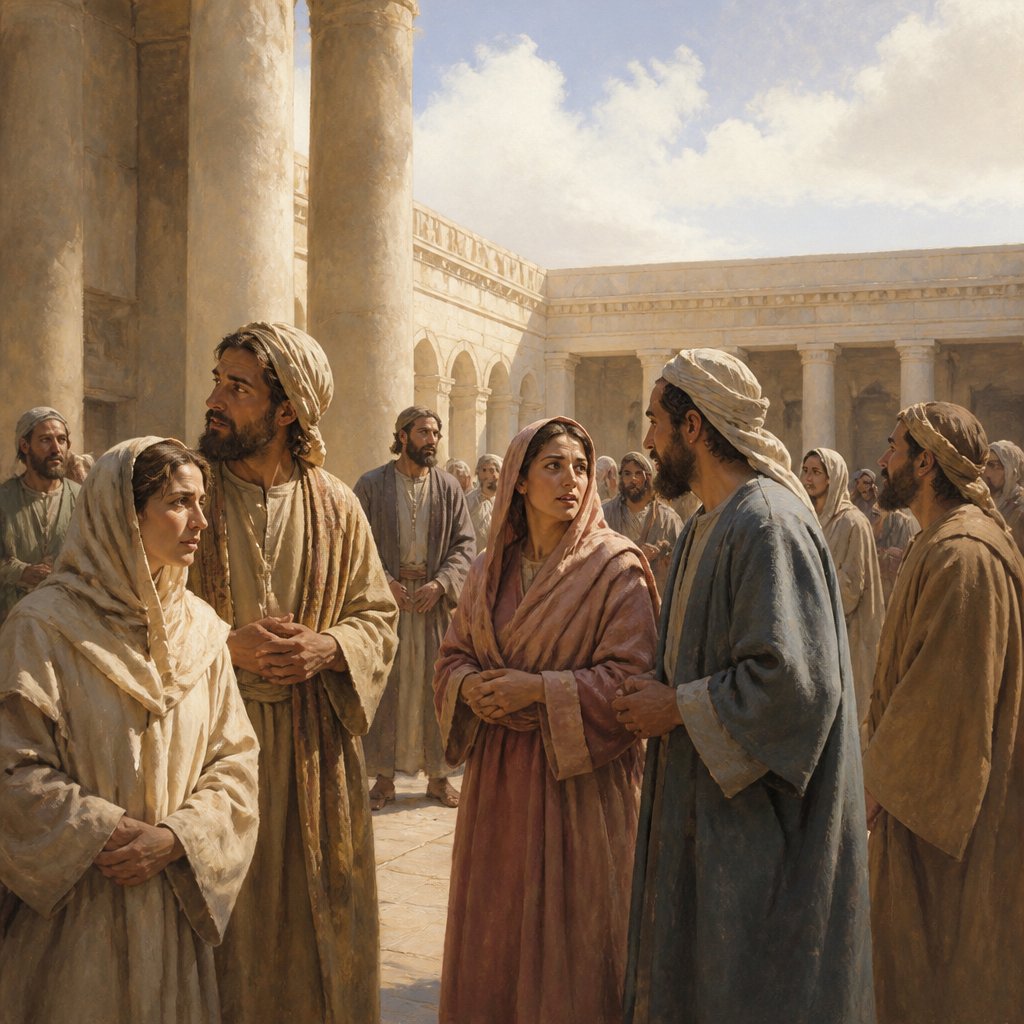
John 11:56 (KJV) - "Then sought they for Jesus, and spake among themselves, as they stood in the temple, What think ye, that he will not come to the feast?"
This verse is a part of the larger narrative in the Gospel of John which tells the story of the raising of Lazarus from the dead. It is significant in that it demonstrates the division and confusion among the people regarding Jesus and his identity as the Messiah. The verse takes place during a time of great anticipation and build-up to the Passover feast in Jerusalem.
The context of this verse is essential for fully comprehending its meaning. In the preceding verses, we learn that many Jews had come to visit Mary and Martha, the sisters of Lazarus, to comfort them after their brother's death. When Jesus arrives at the tomb of Lazarus, he commands the stone to be removed, and then he prays to God before calling Lazarus to come out, and he is miraculously raised from the dead. This event was witnessed by many people and caused a stir among the Jews, leading some to believe in Jesus while others went to report the miracle to the Pharisees.
The verse John 11:56 captures the confusion and speculation among the Jews at this time. They are standing in the temple, discussing whether Jesus will come to the feast. This reveals their uncertainty and lack of understanding about Jesus' intentions and actions. Some may have been hopeful that he would come and publicly reveal himself as the Messiah, while others doubted and questioned his legitimacy. This division among the people echoes the broader theme of belief and unbelief in Jesus as the Son of God that runs throughout the Gospel of John.
The theme of faith and doubt is central to the Gospel of John, and this verse exemplifies the ongoing tension between those who believe in Jesus and those who reject him. The people in the temple were seeking Jesus, but their motives and expectations varied. Some were likely seeking signs and miracles, while others sought to trap or discredit him. The mention of the feast also highlights the religious and cultural significance of the event, as well as the anticipation surrounding Jesus' potential presence at the feast.
Symbolically, the temple represents the holiness and sanctity of God's presence, and the people's discussion within its walls reflects their earnest desire for spiritual fulfillment and understanding. The discourse about Jesus also serves as a foreshadowing of his impending sacrifice and the fulfillment of the Passover feast in his death and resurrection. Additionally, the verse emphasizes the importance of Jesus' presence at the feast, connecting it to the larger theme of his role as the fulfillment of Old Testament prophecies and symbols.
In conclusion, John 11:56 is a crucial verse in the Gospel of John, as it captures the division and speculation among the Jews regarding Jesus' identity and intentions. It reveals the ongoing tension between belief and unbelief in Jesus as the Messiah and highlights the religious and cultural significance of the Passover feast. The verse also symbolically foreshadows Jesus' sacrifice and the fulfillment of Old Testament themes in his death and resurrection. Overall, John 11:56 invites readers to consider their own beliefs and expectations of Jesus and challenges them to seek a deeper understanding of his identity and mission.
Get our apps


Artwork for John 11:56
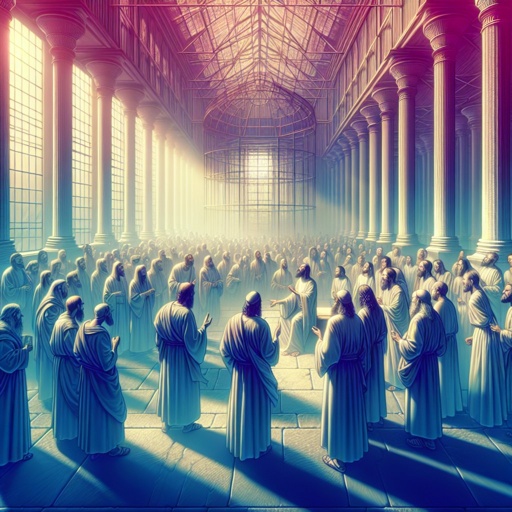
John 11:56 - "Then sought they for Jesus, and spake among themselves, as they stood in the temple, What think ye, that he will not come to the feast?"
"Then sought they for Jesus, and spake among themselves, as they stood in the temple, What think ye, that he will not come to the feast?" - John 11:56

John 8:56 - "Your father Abraham rejoiced to see my day: and he saw it, and was glad."
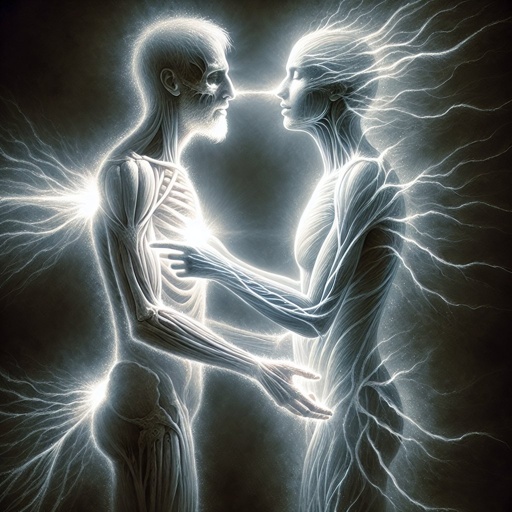
John 6:56 - "He that eateth my flesh, and drinketh my blood, dwelleth in me, and I in him."

Psalms 56:11 - "In God have I put my trust: I will not be afraid what man can do unto me."
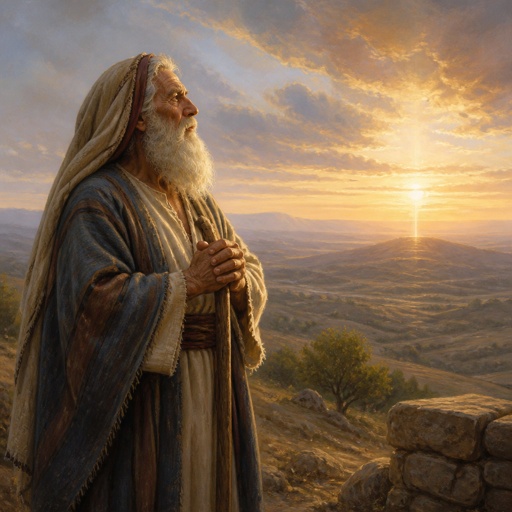
"Your father Abraham rejoiced to see my day: and he saw it, and was glad." - John 8:56
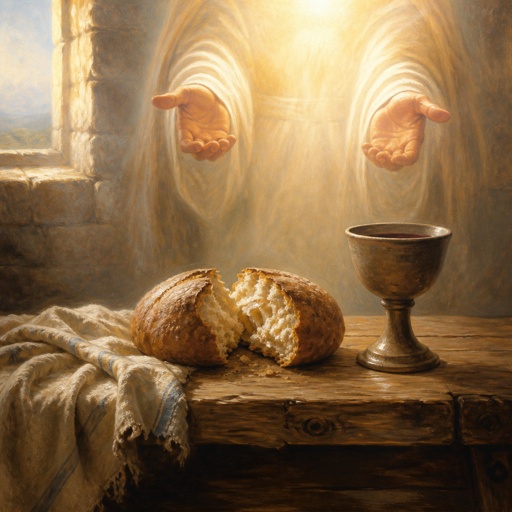
"He that eateth my flesh, and drinketh my blood, dwelleth in me, and I in him." - John 6:56

Isaiah 56:11 - "Yea, they are greedy dogs which can never have enough, and they are shepherds that cannot understand: they all look to their own way, every one for his gain, from his quarter."

"In God have I put my trust: I will not be afraid what man can do unto me." - Psalms 56:11

John (11:35) Jesus wept.
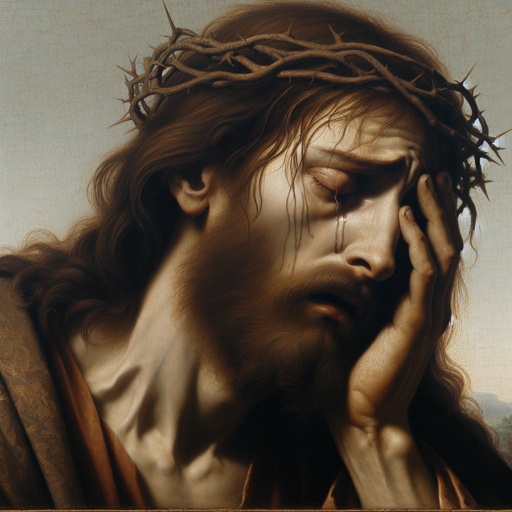
John (11:35) Jesus wept.

John (11:35) Jesus wept.

John 11:35

John 15.1-11

John 11:35

John (11:35) Jesus wept.

John (11:35) Jesus wept.

John (11:35) Jesus wept.

John (11:35) Jesus wept.
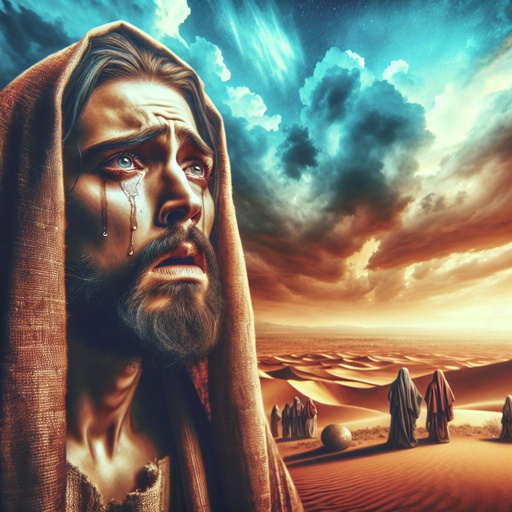
John (11:35) Jesus wept.

John (11:35) Jesus wept.
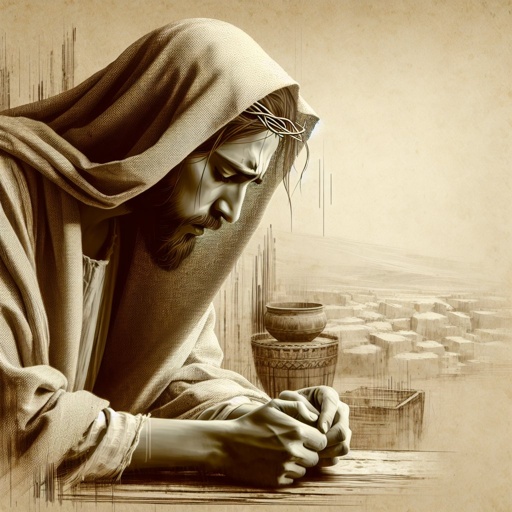
John 11:35 - "Jesus wept."

John (11:35) Jesus wept.

John (11:35) Jesus wept.

John (11:35) Jesus wept.

John (11:35) Jesus wept.
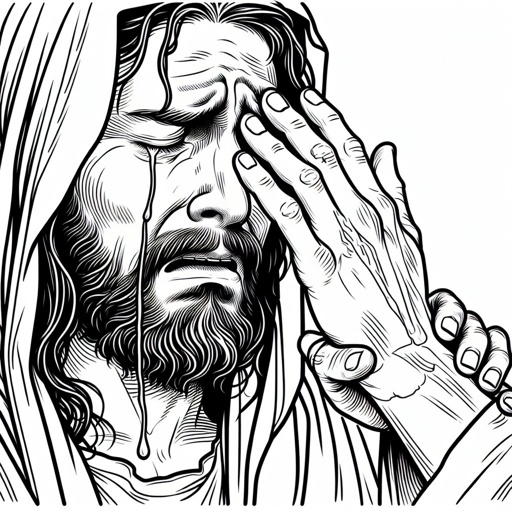
John (11:35) Jesus wept.

John 20:11-12

JOHN 6:11-13

John 20:11-13