What does John 11:50 mean?
“Nor consider that it is expedient for us, that one man should die for the people, and that the whole nation perish not.” — John 11:50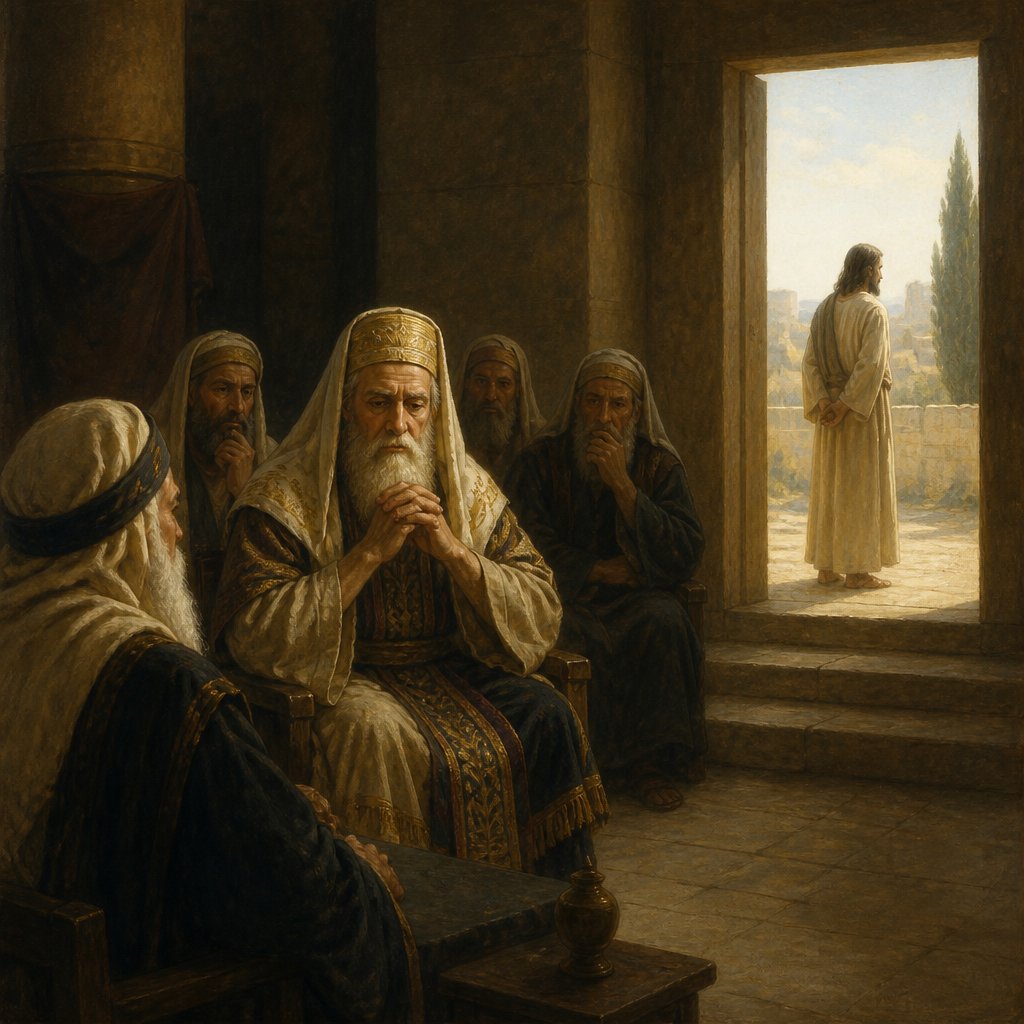
John 11:50 (KJV) – "Nor consider that it is expedient for us, that one man should die for the people, and that the whole nation perish not."
In this verse, the high priest Caiaphas is speaking to the council of Jewish leaders about the dilemma they face concerning Jesus. Caiaphas, who was appointed by the Roman authorities and had a vested interest in maintaining peace and stability, is suggesting that it is in the best interest of the nation for Jesus to be put to death to prevent any potential uprising or unrest among the people.
This verse raises important themes such as sacrifice, salvation, and the role of leadership in making difficult decisions. It also serves as a pivotal moment in the Gospel of John, as it foreshadows the crucifixion of Jesus and the significance of his death for the salvation of humanity.
The context of this verse is crucial to understand its meaning. At this point in the Gospel of John, Jesus has been performing miracles and gaining a following among the people. This has caused concern among the Jewish leaders, who see Jesus as a threat to their authority and the stability of their nation under Roman rule. Caiaphas, as the high priest, is faced with the difficult task of balancing the needs of his people with the demands of the Roman authorities. In his mind, it is better for one man (Jesus) to die in order to preserve the peace and prevent the nation from perishing.
The symbolism in this verse is profound and multi-layered. On the surface, it points to the sacrificial nature of Jesus' death on the cross. Caiaphas' words can be seen as a foreshadowing of Jesus' ultimate sacrifice for the salvation of humanity. Jesus willingly lays down his life for the sake of others, embodying the ultimate act of love and redemption.
Furthermore, this verse also speaks to the broader theme of leadership and the difficult decisions that leaders must make. Caiaphas, as a leader, is faced with a moral and ethical dilemma. He must weigh the consequences of his actions and make a decision that will have far-reaching implications. This raises questions about the nature of leadership and the responsibility that comes with it.
In a wider theological context, this verse also highlights the concept of atonement. Jesus' death is understood as a pivotal moment in human history, where through his sacrifice, he reconciles humanity with God. This idea of atonement is central to Christian theology and is a recurring theme in the New Testament.
Moreover, this verse also underscores the idea of God working through human agency and flawed individuals to fulfill his divine purposes. Despite Caiaphas' intentions, his words unwittingly serve to fulfill the prophecy of Jesus' death and ultimate resurrection, thereby demonstrating God's sovereignty over human affairs.
In conclusion, John 11:50 is a significant verse in the Gospel of John, carrying deep theological, ethical, and symbolic meanings. It serves as a foreshadowing of Jesus' sacrificial death, a reflection on the nature of leadership, and underscores the concept of atonement and divine providence. This verse invites readers to contemplate the profound implications of Jesus' death and the transformative power of his sacrifice for the salvation of humanity.
Get our apps


Artwork for John 11:50

John 11:50 - "Nor consider that it is expedient for us, that one man should die for the people, and that the whole nation perish not."
"Nor consider that it is expedient for us, that one man should die for the people, and that the whole nation perish not." - John 11:50

John 8:50 - "And I seek not mine own glory: there is one that seeketh and judgeth."

John 7:50 - "Nicodemus saith unto them, (he that came to Jesus by night, being one of them,)"

John 6:50 - "This is the bread which cometh down from heaven, that a man may eat thereof, and not die."

Psalms 50:11 - "I know all the fowls of the mountains: and the wild beasts of the field are mine."

Luke 11:50 - "That the blood of all the prophets, which was shed from the foundation of the world, may be required of this generation;"

John 12:50 - "And I know that his commandment is life everlasting: whatsoever I speak therefore, even as the Father said unto me, so I speak."
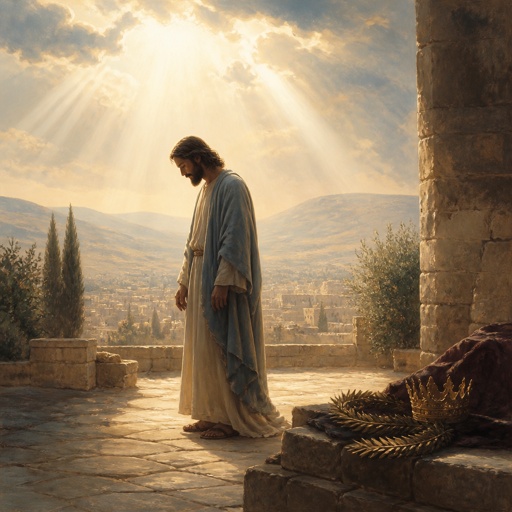
"And I seek not mine own glory: there is one that seeketh and judgeth." - John 8:50

John 6:50 - "This is the bread which cometh down from heaven, that a man may eat thereof, and not die."

John 6:50 - "This is the bread which cometh down from heaven, that a man may eat thereof, and not die."

John 4:50 - "Jesus saith unto him, Go thy way; thy son liveth. And the man believed the word that Jesus had spoken unto him, and he went his way."
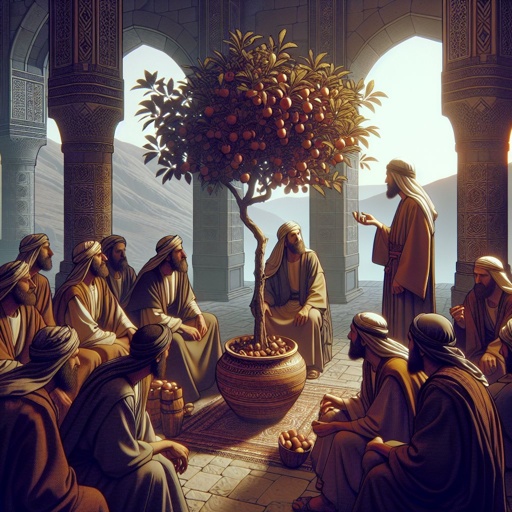
John 1:50 - "Jesus answered and said unto him, Because I said unto thee, I saw thee under the fig tree, believest thou? thou shalt see greater things than these."
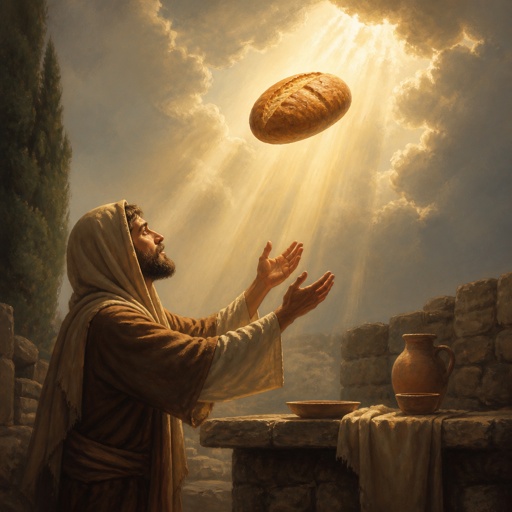
"This is the bread which cometh down from heaven, that a man may eat thereof, and not die." - John 6:50
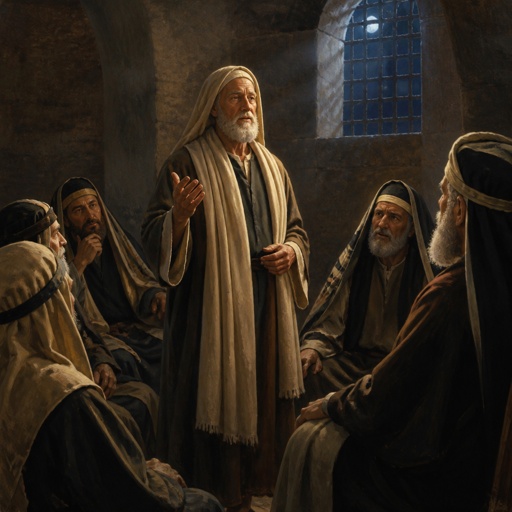
"Nicodemus saith unto them, (he that came to Jesus by night, being one of them,)" - John 7:50

Jeremiah 50:11 - "Because ye were glad, because ye rejoiced, O ye destroyers of mine heritage, because ye are grown fat as the heifer at grass, and bellow as bulls;"

"I know all the fowls of the mountains: and the wild beasts of the field are mine." - Psalms 50:11

Psalm 50:10-11 - "For every beast of the forest is mine, and the cattle upon a thousand hills. I know all the fowls of the mountains: and the wild beasts of the field are mine."

Genesis 50:11 - "And when the inhabitants of the land, the Canaanites, saw the mourning in the floor of Atad, they said, This is a grievous mourning to the Egyptians: wherefore the name of it was called Abel-mizraim, which is beyond Jordan."

John (11:35) Jesus wept.

"That the blood of all the prophets, which was shed from the foundation of the world, may be required of this generation;" - Luke 11:50

John (11:35) Jesus wept.

John (11:35) Jesus wept.

John 11:35

John 15.1-11

John 11:35

John (11:35) Jesus wept.

John (11:35) Jesus wept.

John (11:35) Jesus wept.

John (11:35) Jesus wept.