What does John 12:49 mean?
“For I have not spoken of myself; but the Father which sent me, he gave me a commandment, what I should say, and what I should speak.” — John 12:49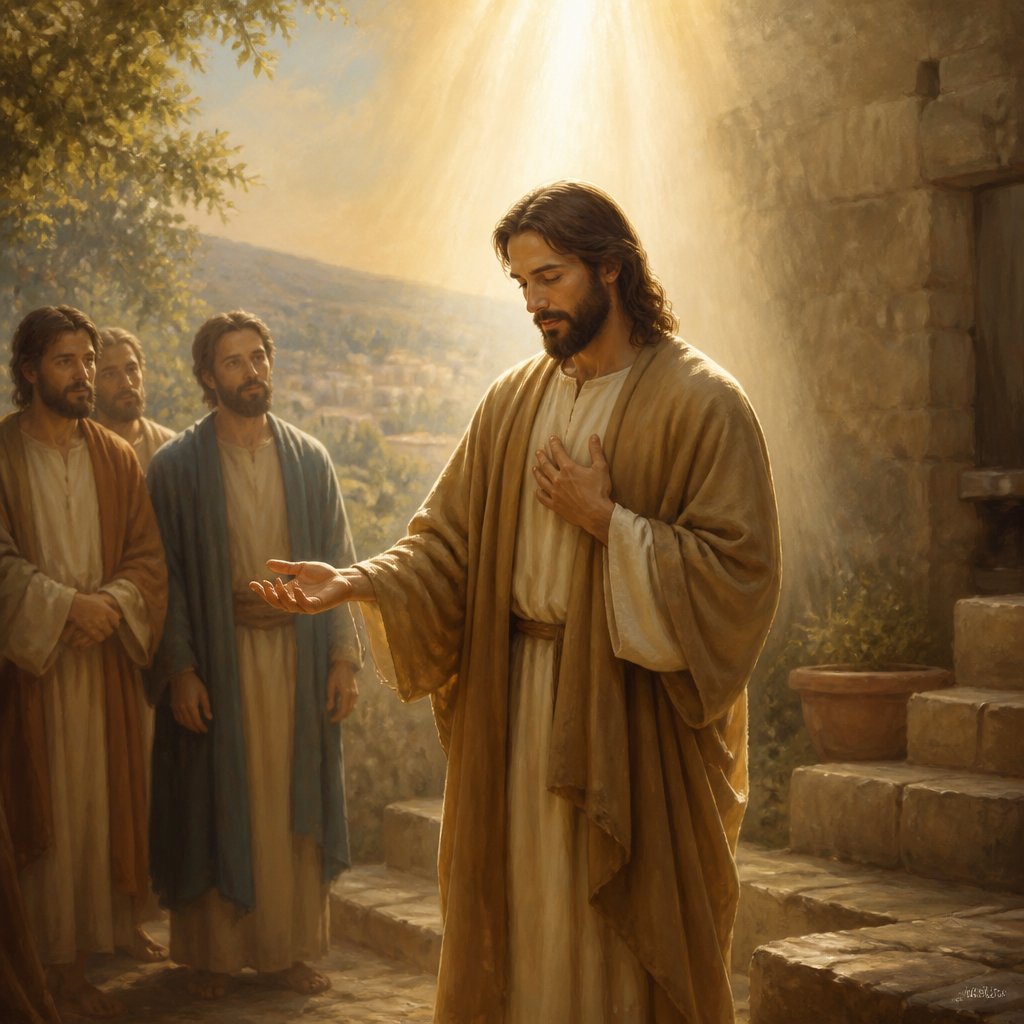
In John 12:49, Jesus declares, “For I have not spoken of myself; but the Father which sent me, he gave me a commandment, what I should say, and what I should speak.” This verse is a powerful declaration of Jesus' obedience and submission to the will of God the Father. It reveals the intimate relationship between Jesus and God, and emphasizes the divine authority behind Jesus' words and actions.
Contextually, this verse takes place in the Gospel of John, during the final weeks of Jesus' earthly ministry. Jesus is speaking to a crowd of people, shortly before his crucifixion and resurrection. The verse comes in the midst of Jesus' teachings and interactions with the people, as he prepares them for his impending departure. It is important to note that this verse is part of a larger passage in which Jesus is explaining the purpose of his coming into the world and the message he has been sent to proclaim.
The verse reveals the deep humility and obedience of Jesus to the will of God the Father. It shows that Jesus did not speak on his own authority, but rather he spoke the words that he received from the Father. This highlights the unity and harmony between Jesus and the Father, and sets the stage for Jesus' ultimate obedience in going to the cross to fulfill the Father's plan for salvation.
One of the key themes in this verse is the obedience of Jesus to the will of God. Throughout the Gospels, Jesus consistently demonstrates his complete surrender to the Father's will. This obedience is a central aspect of Jesus' identity and mission, as he fulfills the promises and prophecies of the Old Testament. Jesus' obedience to the Father serves as an example for his followers, calling them to likewise submit to the will of God in their own lives.
Another important theme in this verse is the authority of God's word. Jesus declares that the Father gave him a commandment of what to say and speak, emphasizing the divine authority behind his teachings. This emphasizes the power and truth of God's word, and the importance of heeding and obeying it. It also underscores the divine origin of Jesus' message, as he speaks the words of the Father to the people.
Symbolically, this verse represents the perfect unity and harmony between Jesus and God the Father. It illustrates the divine relationship between the Father and the Son, and the oneness of their mission and purpose. It also symbolizes the authority and power of God's word, and the importance of obedience to his will. In addition, it points to the sacrificial nature of Jesus' obedience, as he willingly submits to the Father's plan for the redemption of humanity.
In conclusion, John 12:49 is a profound declaration of Jesus' obedience to the will of God the Father. It reveals the divine authority behind Jesus' words and actions, and highlights the intimate relationship between the Father and the Son. This verse carries important themes of obedience, authority, and the unity of the Godhead, and serves as a powerful reminder of the significance of Jesus' mission and message. It challenges believers to follow the example of Jesus in surrendering to the will of God and upholding the truth of his word.
Get our apps


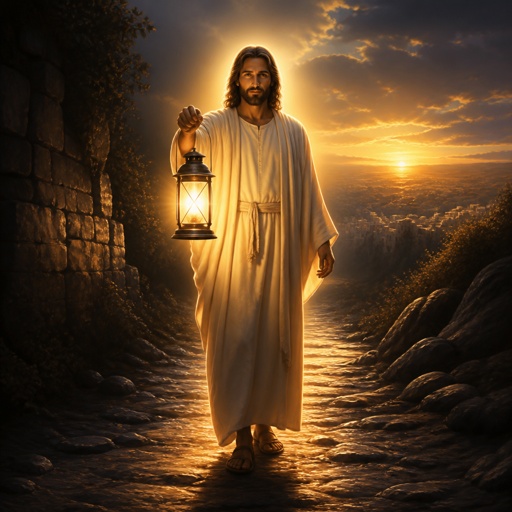
Artwork for John 12:49

John 12:49 - "For I have not spoken of myself; but the Father which sent me, he gave me a commandment, what I should say, and what I should speak."
"For I have not spoken of myself; but the Father which sent me, he gave me a commandment, what I should say, and what I should speak." - John 12:49

John 7:49 - "But this people who knoweth not the law are cursed."

Luke 12: 49

John 6:49 - "Your fathers did eat manna in the wilderness, and are dead."

"But this people who knoweth not the law are cursed." - John 7:49
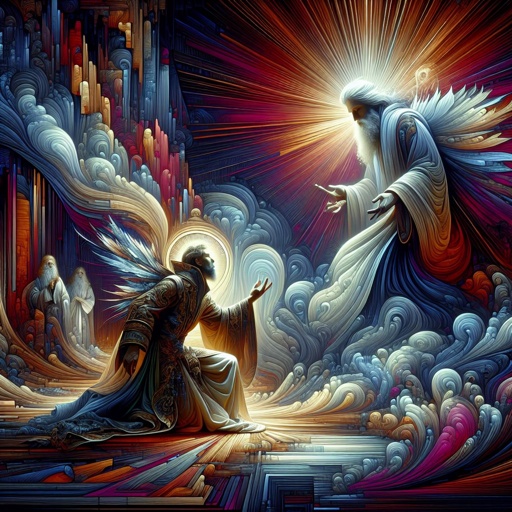
John 4:49 - "The nobleman saith unto him, Sir, come down ere my child die."

Genesis 49:12 - "His eyes shall be red with wine, and his teeth white with milk."

John 8:49 - "Jesus answered, I have not a devil; but I honour my Father, and ye do dishonour me."
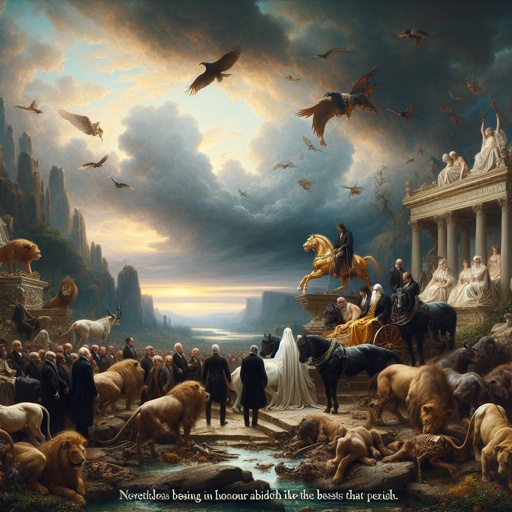
Psalms 49:12 - "Nevertheless man being in honour abideth not: he is like the beasts that perish."

Luke 12:49 - "¶ I am come to send fire on the earth; and what will I, if it be already kindled?"

Exodus 12:49 - "One law shall be to him that is homeborn, and unto the stranger that sojourneth among you."
John 1:49 - "Nathanael answered and saith unto him, Rabbi, thou art the Son of God; thou art the King of Israel."

"Your fathers did eat manna in the wilderness, and are dead." - John 6:49

John 11:49 - "And one of them, named Caiaphas, being the high priest that same year, said unto them, Ye know nothing at all,"

Isaiah 49:12 - "Behold, these shall come from far: and, lo, these from the north and from the west; and these from the land of Sinim."

John 1:49 - "Nathanael answered and saith unto him, Rabbi, thou art the Son of God; thou art the King of Israel."

Luke 9:49 - "¶ And John answered and said, Master, we saw one casting out devils in thy name; and we forbad him, because he followeth not with us."

Matthew 12:49 - "And he stretched forth his hand toward his disciples, and said, Behold my mother and my brethren!"
John 1:49 - "Nathanael answered and saith unto him, Rabbi, thou art the Son of God; thou art the King of Israel."
"The nobleman saith unto him, Sir, come down ere my child die." - John 4:49

"His eyes shall be red with wine, and his teeth white with milk." - Genesis 49:12

"Nevertheless man being in honour abideth not: he is like the beasts that perish." - Psalms 49:12
John 6:12

John 8:12

"One law shall be to him that is homeborn, and unto the stranger that sojourneth among you." - Exodus 12:49

"¶ I am come to send fire on the earth; and what will I, if it be already kindled?" - Luke 12:49

John 12:25
John 8:12

John 8:12