What does John 12:6 mean?
“This he said, not that he cared for the poor; but because he was a thief, and had the bag, and bare what was put therein.” — John 12:6
"Then saith one of his disciples, Judas Iscariot, Simon's son, which should betray him," - John 12:6 (KJV)
In this verse from the Gospel of John, we are presented with the character of Judas Iscariot, who is one of the twelve disciples of Jesus Christ. However, this particular verse sheds light on the darker side of Judas' character, as it mentions that he would later betray Jesus.
The inclusion of Judas as one of the chosen twelve disciples is significant because it highlights the complex nature of human beings and the idea that even those closest to Jesus can falter in their faith and loyalty. It serves as a reminder that no one is immune to temptation and betrayal, not even those who have been personally chosen by Jesus.
The fact that Judas was among the disciples who walked, talked, and learned from Jesus makes his betrayal even more poignant. It raises questions about the depths of his betrayal and the motivations behind his actions. Was it driven by greed, a desire for power, or a misunderstanding of Jesus' purpose? These are all questions that have been debated by theologians and scholars for centuries.
The context of this verse is particularly important, as it comes at a crucial moment in Jesus' ministry. In the preceding verses, Jesus had just performed the miracle of raising Lazarus from the dead, which had deeply impacted those who witnessed it. This miracle solidified Jesus' reputation as a powerful and influential figure, and it ultimately led to his crucifixion.
In this context, Judas' betrayal takes on even greater significance. It represents a turning point in the narrative, as it foreshadows the events that would lead to Jesus' arrest, trial, and ultimately, his crucifixion. Judas' act of betrayal becomes a catalyst for these events, and it serves as a reminder of the human frailty and the potential for destructive choices.
Symbolically, Judas' betrayal represents the struggle between good and evil, and the eternal battle between the forces of darkness and the forces of light. It serves as a cautionary tale, warning against the dangers of succumbing to temptation and losing sight of one's moral compass. Judas' actions remind us of the consequences of betraying one's principles and the destructive nature of greed and deceit.
This verse also highlights the theme of redemption, as it underscores the transformative power of faith and forgiveness. Despite Judas' betrayal, Jesus' ultimate sacrifice on the cross offers the promise of redemption and salvation for all who believe in him. It serves as a reminder that even in the face of betrayal and hardship, there is hope for reconciliation and healing through the grace of God.
In conclusion, John 12:6 offers a thought-provoking and profound reflection on the complexities of human nature and the struggles between good and evil. It serves as a reminder of the timeless themes of faith, loyalty, and redemption, and it challenges us to reflect on our own actions and motivations. Ultimately, it encourages us to seek the light and grace of God, even in the darkest of times.
Get our apps


Artwork for John 12:6

John 12:6 - "This he said, not that he cared for the poor; but because he was a thief, and had the bag, and bare what was put therein."

"This he said, not that he cared for the poor; but because he was a thief, and had the bag, and bare what was put therein." - John 12:6
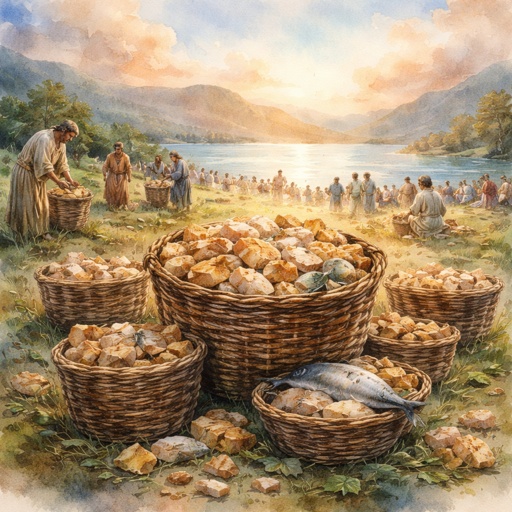
John 6:12

John 6:12 - "When they were filled, he said unto his disciples, Gather up the fragments that remain, that nothing be lost."

John 1:6 - "¶ There was a man sent from God, whose name was John."

John 6:63

John 6:63

John 8:12

John 6:63

John 6:63

"When they were filled, he said unto his disciples, Gather up the fragments that remain, that nothing be lost." - John 6:12

John 12:25

John 8:12

John 8:12

John 8:12

John 12:3

John 8:12

John 6:40

John 21:6

John 14:6

John 20:11-12

John 21:6

John 6:16

John 6:37

John 21:6

John 6:40

John 21:6

John 12:12 - "¶ On the next day much people that were come to the feast, when they heard that Jesus was coming to Jerusalem,"

John 6:8-9

JOHN 6:11-13