What does John 12:8 mean?
“For the poor always ye have with you; but me ye have not always.” — John 12:8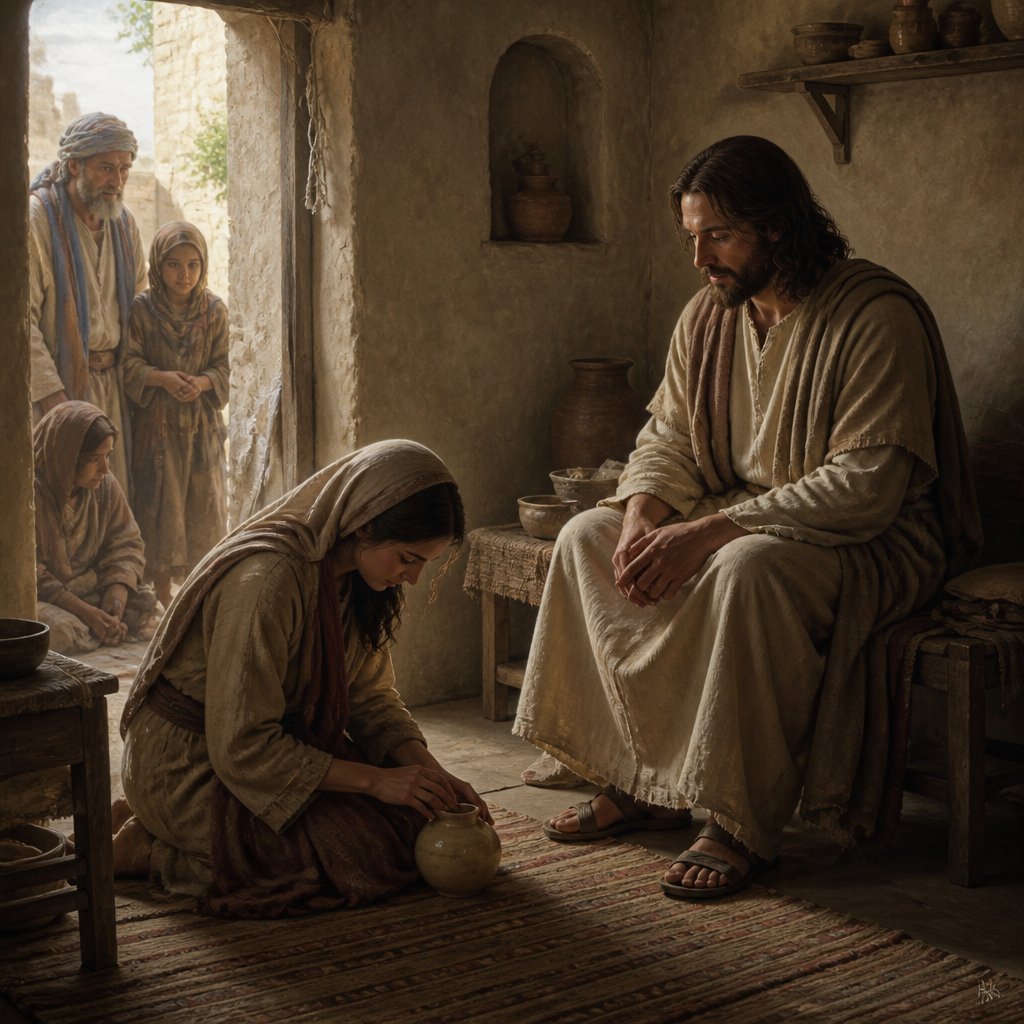
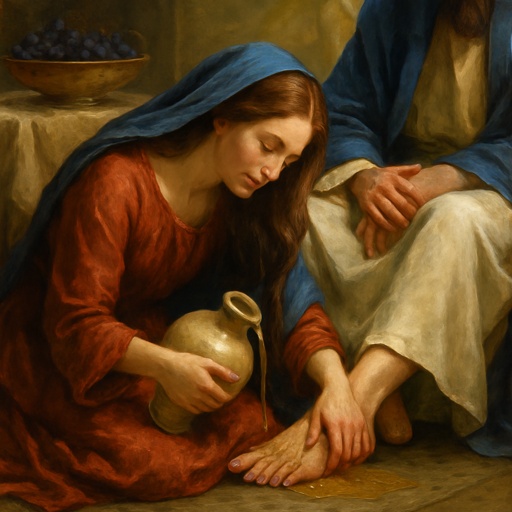
The Bible verse John 12:8 from the King James Version reads, "For the poor always ye have with you; but me ye have not always." This verse comes from the New Testament and is spoken by Jesus during a dinner in Bethany, shortly before his crucifixion. It is a response to Judas Iscariot's objection to Mary, the sister of Lazarus, anointing Jesus with expensive perfume.
The verse holds deep spiritual and moral implications, as it reflects Jesus' priorities and teachings about the importance of focusing on spiritual matters over material ones. The verse also speaks to the idea of selflessness and compassion for the less fortunate.
One of the key themes of this verse is the contrast between the temporal and the eternal. Jesus' statement, "For the poor always ye have with you," acknowledges the persistent presence of poverty and suffering in the world. This acknowledgment serves as a call to action for Christians to continue to serve and care for the less fortunate in their communities.
At the same time, Jesus' declaration, "but me ye have not always," emphasizes the fleeting nature of his physical presence on earth. By reminding his disciples that his time with them is limited, Jesus directs their attention to the spiritual importance of being present with him in the moment.
The context in which this verse is spoken is also significant. Mary, the sister of Lazarus, anoints Jesus' feet with a costly perfume, an act that draws criticism from Judas Iscariot, who suggests that the perfume could have been sold and the money given to the poor. In response, Jesus defends Mary's actions and points to the imminent nature of his death, indicating that there will always be opportunities to care for the poor, but his time with them is limited.
In this way, the verse serves as a reminder of the value of personal sacrifice and devotion to Jesus, even in the face of worldly concerns. It challenges believers to consider their priorities and to recognize the fleeting nature of earthly possessions and experiences in contrast to the eternal significance of their relationship with Christ.
Symbolism also plays a role in the interpretation of this verse. The costly perfume used by Mary can be seen as representing the best that one has to offer in service to God. It is a symbol of the depth of Mary’s love and devotion to Jesus, and her willingness to give sacrificially. In contrast, Judas' concern for the value of the perfume and his indifference to Jesus' impending sacrifice symbolize a focus on worldly wealth and a lack of understanding of spiritual priorities.
The verse John 12:8 from the King James Version carries a powerful message about the importance of prioritizing spiritual matters over material concerns and the value of sacrificial devotion to Jesus. It reminds believers of the fleeting nature of earthly possessions and experiences and the enduring significance of their relationship with Christ. The verse challenges us to consider our priorities and to seek a deeper understanding of the eternal truths that Jesus embodies.
Get our apps


Artwork for John 12:8

John 12:8 - "For the poor always ye have with you; but me ye have not always."

"For the poor always ye have with you; but me ye have not always." - John 12:8

John 8:12
John 8:12

John 8:12

John 8:12

John 8:12

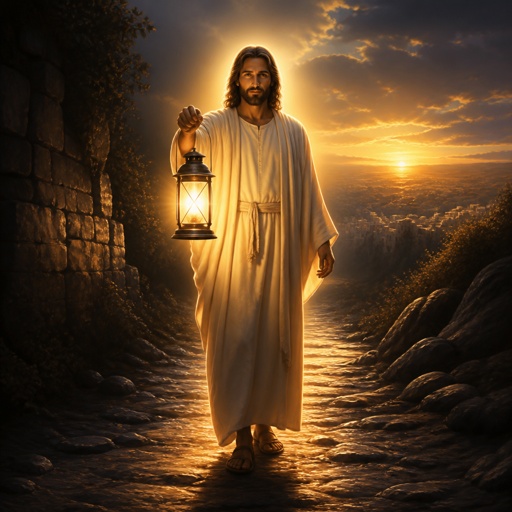
"Then spake Jesus again unto them, saying, I am the light of the world: he that followeth me shall not walk in darkness, but shall have the light of life." - John 8:12

John 8:12 - "¶ Then spake Jesus again unto them, saying, I am the light of the world: he that followeth me shall not walk in darkness, but shall have the light of life."
John 8

John 8

John 8:44

John 8:44

John 8:44

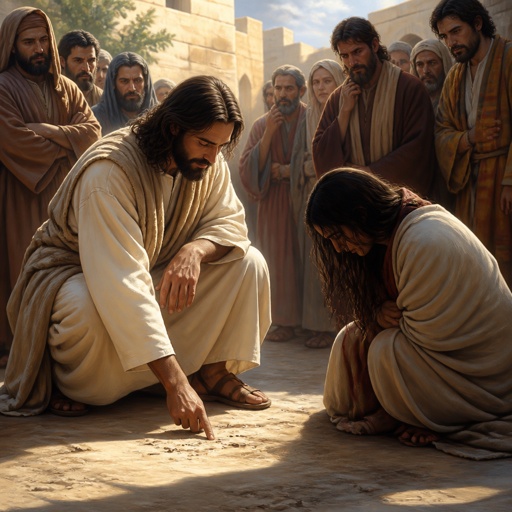
John 8:8 - "And again he stooped down, and wrote on the ground."
John 6:12

John 12:25
John 12:3

John 20:11-12

John 12:12 - "¶ On the next day much people that were come to the feast, when they heard that Jesus was coming to Jerusalem,"
John 3:5-8

John 6:8-9

John 15:1-8

John 3:5-8

John 8:4-11

John 3:5-8

John 3:3-8

John 8:1 - "Jesus went unto the mount of Olives."

John 8:27 - "They understood not that he spake to them of the Father."

"And again he stooped down, and wrote on the ground." - John 8:8