What does John 13:22 mean?
“Then the disciples looked one on another, doubting of whom he spake.” — John 13:22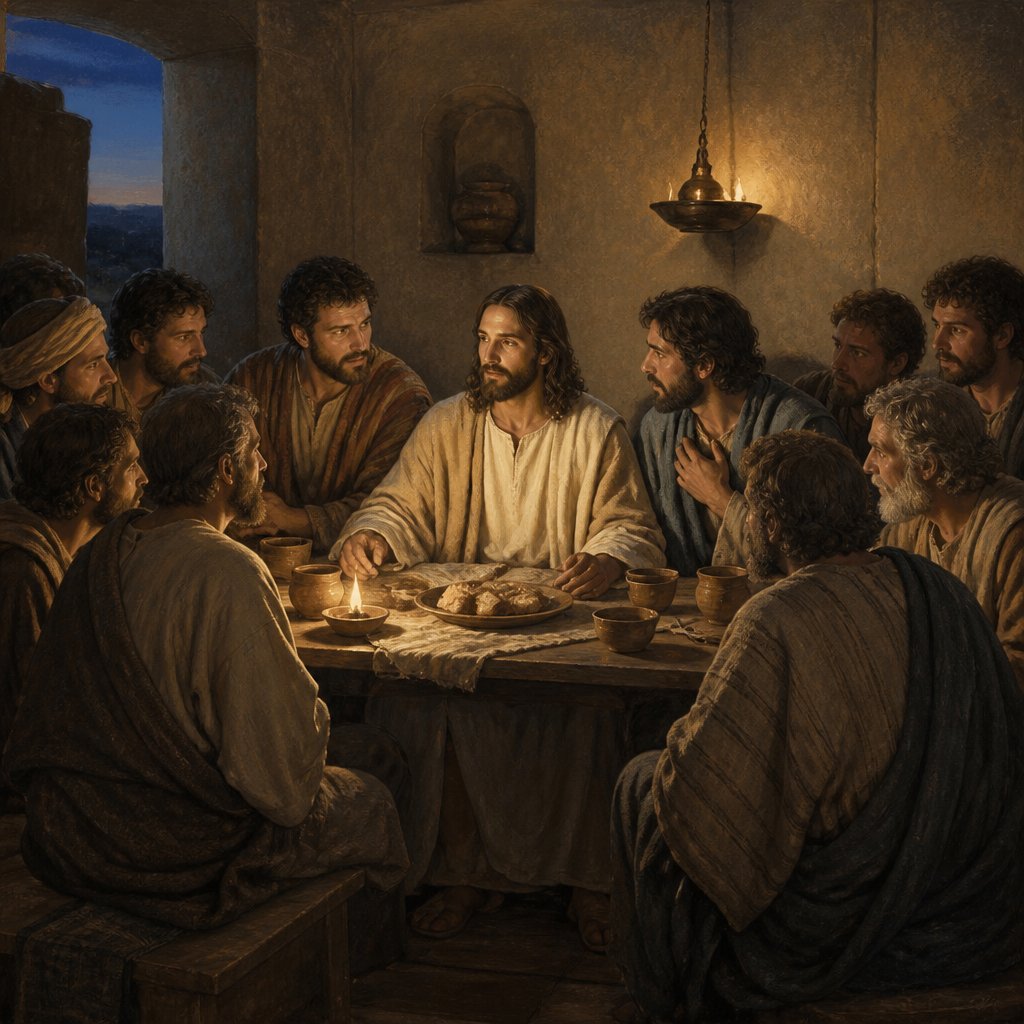
John 13:22 in the King James Version of the Bible states, "Then the disciples looked one on another, doubting of whom he spake." This verse comes from the New Testament, specifically from the Gospel of John, and it is part of the narrative of the Last Supper.
To provide some context, the Last Supper is a significant event in Christianity as it is the final meal that Jesus shares with his disciples before his crucifixion. It is traditionally understood as the institution of the Eucharist, where Jesus symbolically offers his body and blood to his disciples through bread and wine. The Last Supper is also a moment of great significance as it is during this meal that Jesus predicts his betrayal by one of his own disciples.
In the preceding verses of John 13, Jesus declares that one of his disciples will betray him. This revelation leaves the disciples in a state of shock and confusion. John 13:22 captures the moment when the disciples, uncertain of whom Jesus is referring to, look at each other with doubt and disbelief.
The theme of betrayal is central to this verse and the larger narrative of the Last Supper. Throughout the Bible, betrayal is a recurring motif, from the betrayal of Adam and Eve in the Garden of Eden to the betrayal of Jesus by Judas Iscariot. Betrayal underscores the complex and often fraught relationships between individuals, and it speaks to the larger human experience of trust and loyalty.
The disciples' reaction in John 13:22 reflects a common human response to unexpected and distressing news. It is natural for people to seek reassurance and confirmation from others when confronted with difficult or confusing information. In this moment, the disciples are grappling with the notion that one of their own would betray Jesus, and their incredulity is palpable.
The symbolism in this verse is also rich and multi-layered. The disciples' doubtful glances at one another can be interpreted as a manifestation of their own internal struggles. They are forced to confront the possibility that any one of them could be capable of betrayal. This speaks to the universal human capacity for both good and evil, and the internal conflicts that can arise from such duality.
Furthermore, the disciples' doubtful glances also serve as a poignant reminder of the frailty of human nature. Despite their deep love and devotion to Jesus, the disciples are not immune to moments of doubt and uncertainty. This vulnerability underscores the deeply human aspects of the biblical narrative and speaks to the idea that faith and doubt can coexist within the human experience.
Lastly, the disciples' reactions in John 13:22 also serve as a prelude to the unfolding drama of Jesus' betrayal and crucifixion. This moment marks the beginning of the culmination of Jesus' earthly ministry and sets the stage for the profound sacrifice he is about to make for the redemption of humanity.
In conclusion, John 13:22 captures a pivotal moment in the story of the Last Supper, where the disciples react with doubt and disbelief upon learning of the impending betrayal of Jesus. This verse explores themes of betrayal, trust, and the complexities of human nature. The disciples' doubtful glances at one another serve as a powerful symbol of the universal human experience of grappling with internal struggles and the capacity for both faith and doubt. As the narrative of the Last Supper unfolds, this verse sets the stage for the profound sacrifice and redemptive significance of Jesus' crucifixion.
Get our apps


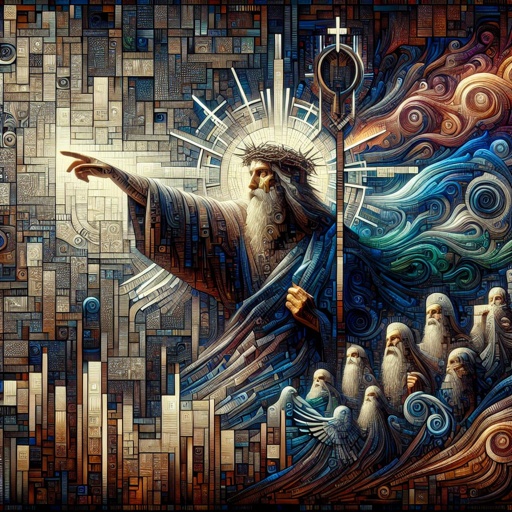
Artwork for John 13:22

John 13:22 - "Then the disciples looked one on another, doubting of whom he spake."
"Then the disciples looked one on another, doubting of whom he spake." - John 13:22

John 13

John 10:22 - "¶ And it was at Jerusalem the feast of the dedication, and it was winter."

Genesis 22-13

John 13:13 - "Ye call me Master and Lord: and ye say well; for so I am."
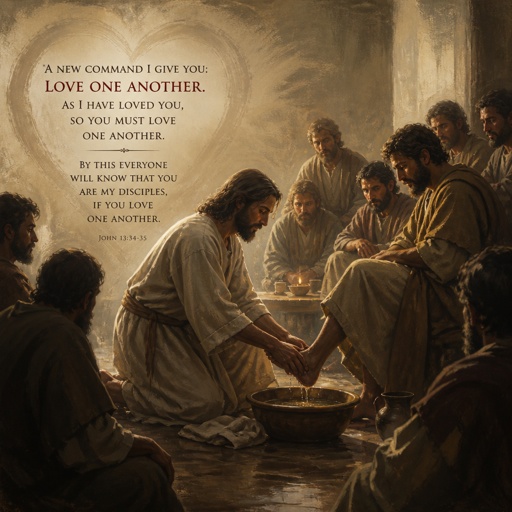
John 13: 34-35

John 13:4-9

JOHN 6:11-13

John 20:11-13

1 John 4:13

John 13:31-35

John 5:22 - "For the Father judgeth no man, but hath committed all judgment unto the Son:"

John 19:22 - "Pilate answered, What I have written I have written."

John 9:13 - "¶ They brought to the Pharisees him that aforetime was blind."

John 12:22 - "Philip cometh and telleth Andrew: and again Andrew and Philip tell Jesus."
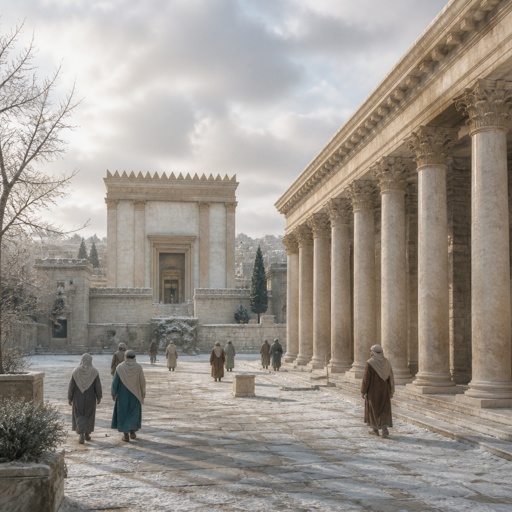
"¶ And it was at Jerusalem the feast of the dedication, and it was winter." - John 10:22

1 Samuel 22:11-13

Matthew 11:13 - "For all the prophets and the law prophesied until John."

John 2:13 - "¶ And the Jews' passover was at hand, and Jesus went up to Jerusalem,"

John 10:13 - "The hireling fleeth, because he is an hireling, and careth not for the sheep."

John 7:13 - "Howbeit no man spake openly of him for fear of the Jews."

1 John 3:13 - "Marvel not, my brethren, if the world hate you."

Matthew 17:13 - "Then the disciples understood that he spake unto them of John the Baptist."

John 13:30 - "He then having received the sop went immediately out: and it was night."

John 21:13 - "Jesus then cometh, and taketh bread, and giveth them, and fish likewise."

Luke 22:8 - "And he sent Peter and John, saying, Go and prepare us the passover, that we may eat."
John 4:22 - "Ye worship ye know not what: we know what we worship: for salvation is of the Jews."

John 3:22 - "¶ After these things came Jesus and his disciples into the land of Judaea; and there he tarried with them, and baptized."

Acts 13:13 - "Now when Paul and his company loosed from Paphos, they came to Perga in Pamphylia: and John departing from them returned to Jerusalem."