What does John 13:9 mean?
“Simon Peter saith unto him, Lord, not my feet only, but also my hands and my head.” — John 13:9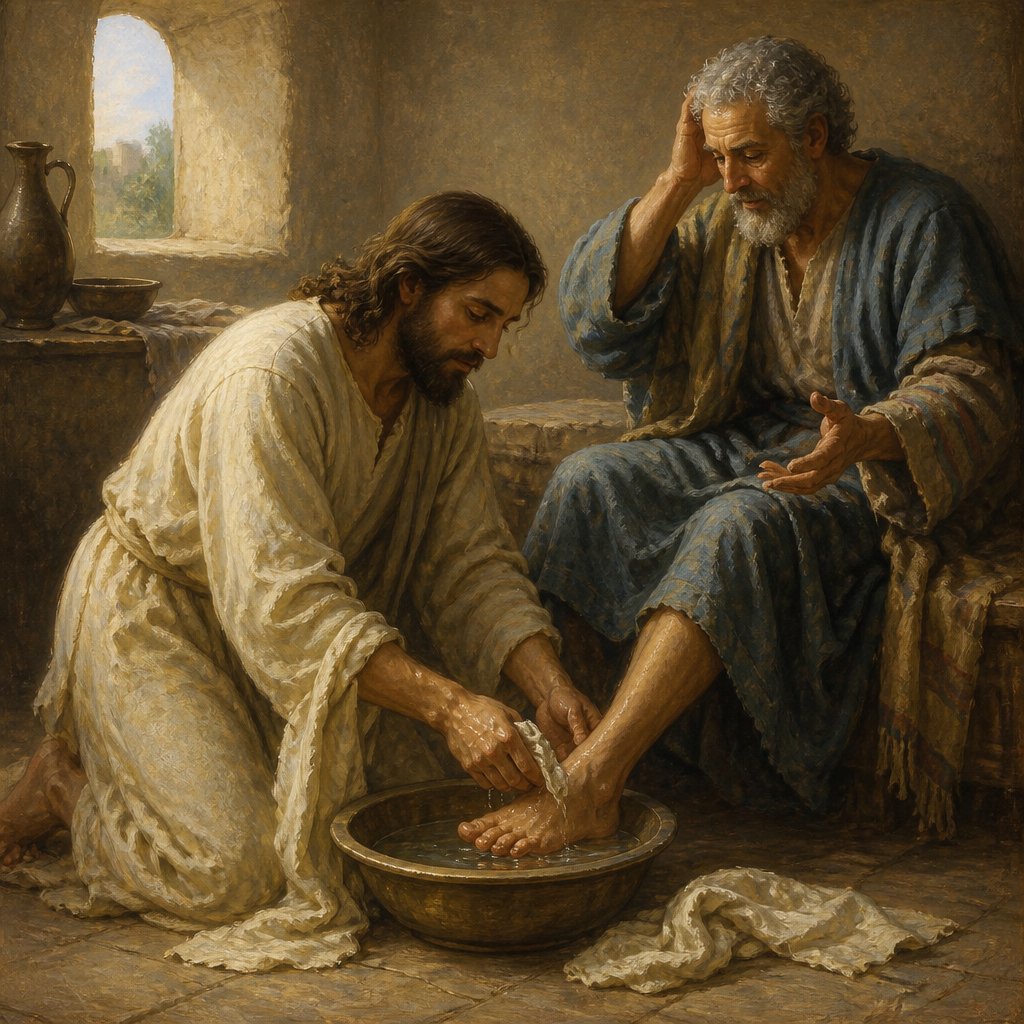
The Bible verse John 13:9 in the King James Version (KJV) states, "Simon Peter saith unto him, Lord, not my feet only, but also my hands and my head." This verse comes from a significant passage in the book of John in which Jesus washes the feet of his disciples. This act of humility and service holds profound spiritual and symbolic meaning, and the words of Simon Peter in response to Jesus reveal important themes of the Christian faith.
In this passage, Jesus demonstrates the ultimate example of servanthood by washing the feet of his disciples. This was a task usually reserved for servants or lowly individuals, yet Jesus, the Son of God, took on the role of a servant to teach his followers important lessons about humility, love, and service. In verse 7, Jesus tells Peter, "What I do thou knowest not now; but thou shalt know hereafter." This statement reflects the mystery of Christ's actions and the deeper spiritual truth that his disciples would come to understand in time.
Simon Peter's response in verse 9 is telling of his initial misunderstanding of the symbolic meaning behind Jesus' act. He seems to push back against Jesus, expressing a desire for a more complete washing, not just of his feet, but of his hands and head as well. This response reflects a lack of understanding and a resistance to fully accepting Jesus' servant leadership. Peter, like many of us, struggles with comprehending the depth of Christ's love and sacrifice.
One of the main themes in this verse and the larger passage is the concept of humility. Jesus illustrates the importance of humility and the willingness to serve others, even in the lowest and most menial tasks. This stands in stark contrast to the world's values of power, status, and self-importance. In Philippians 2:5-8, the apostle Paul writes, "Let this mind be in you, which was also in Christ Jesus: Who, being in the form of God, thought it not robbery to be equal with God: But made himself of no reputation, and took upon him the form of a servant… he humbled himself, and became obedient unto death, even the death of the cross." This passage reaffirms the importance of imitating Christ's humility and selfless attitude.
The context of John 13:9 is crucial to understanding its significance. The event takes place during the Last Supper, just before Jesus' crucifixion. This moment is filled with tension and significance as Jesus prepares his disciples for the trials and challenges they will face after his departure. The act of foot-washing serves as a powerful visual aid to reinforce Jesus' teachings about servant leadership and sacrificial love. In verse 15, Jesus says, "For I have given you an example, that ye should do as I have done to you." This command emphasizes the importance of following Christ's example of humble service in our own lives.
There is also deep symbolism in Simon Peter's request for a more thorough washing. This reflects the human tendency to seek external cleanliness and perfection, while ignoring the deeper need for spiritual cleansing. Jesus responds in verses 10-11, "He that is washed needeth not save to wash his feet, but is clean every whit: and ye are clean, but not all. For he knew who should betray him; therefore said he, Ye are not all clean." Here, Jesus refers not only to physical cleanliness but also to the necessity of spiritual cleansing and the betrayal of Judas, who was not truly clean in heart and spirit.
In conclusion, John 13:9 in the King James Version serves as a powerful reminder of the importance of humility, service, and spiritual cleansing in the Christian faith. It also highlights the need for understanding and accepting Christ's teachings, even when they may seem unconventional or challenging. This verse and the larger passage provide a profound example of Christ's sacrificial love and call for his followers to imitate his humble, servant-hearted nature.
Get our apps


Artwork for John 13:9

John 13:9 - "Simon Peter saith unto him, Lord, not my feet only, but also my hands and my head."
"Simon Peter saith unto him, Lord, not my feet only, but also my hands and my head." - John 13:9

John 13:4-9

John 9:13 - "¶ They brought to the Pharisees him that aforetime was blind."
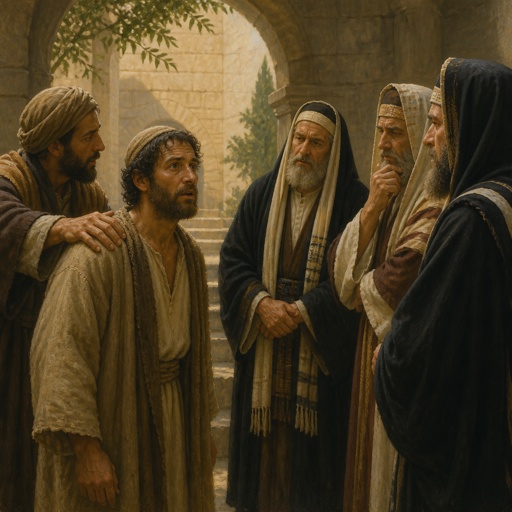
"¶ They brought to the Pharisees him that aforetime was blind." - John 9:13

John 13

john 21:9

John 13:13 - "Ye call me Master and Lord: and ye say well; for so I am."
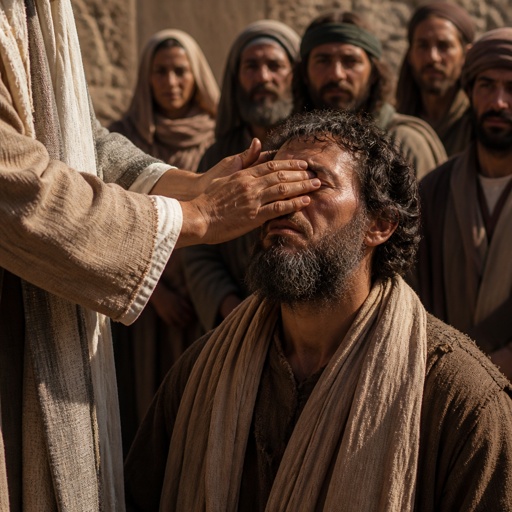
John 9:10

John 10:9

John 10:9

John 10:9
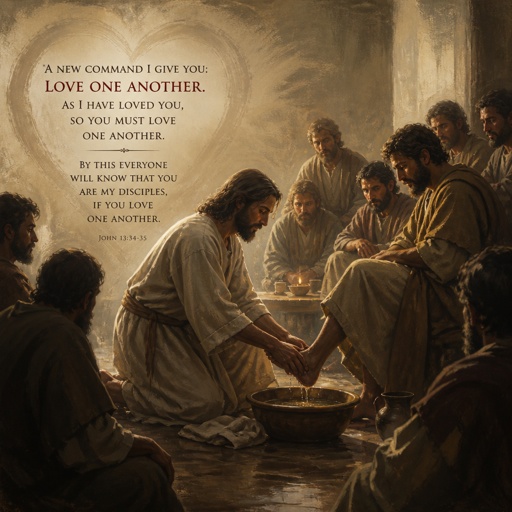
John 13: 34-35

JOHN 6:11-13

John 20:11-13

1 John 4:13

John 13:31-35

John 6:8-9

John 9:1-3

John 9:1-41

1 John 1:9

John 15:9-10

John 15:9-10

John 16:9 - "Of sin, because they believe not on me;"

John 9:9 - "Some said, This is he: others said, He is like him: but he said, I am he."

Matthew 11:13 - "For all the prophets and the law prophesied until John."

John 2:13 - "¶ And the Jews' passover was at hand, and Jesus went up to Jerusalem,"

John 10:13 - "The hireling fleeth, because he is an hireling, and careth not for the sheep."

Luke 9:9 - "And Herod said, John have I beheaded: but who is this, of whom I hear such things? And he desired to see him."

John 7:13 - "Howbeit no man spake openly of him for fear of the Jews."