What does John 13:27 mean?
“And after the sop Satan entered into him. Then said Jesus unto him, That thou doest, do quickly.” — John 13:27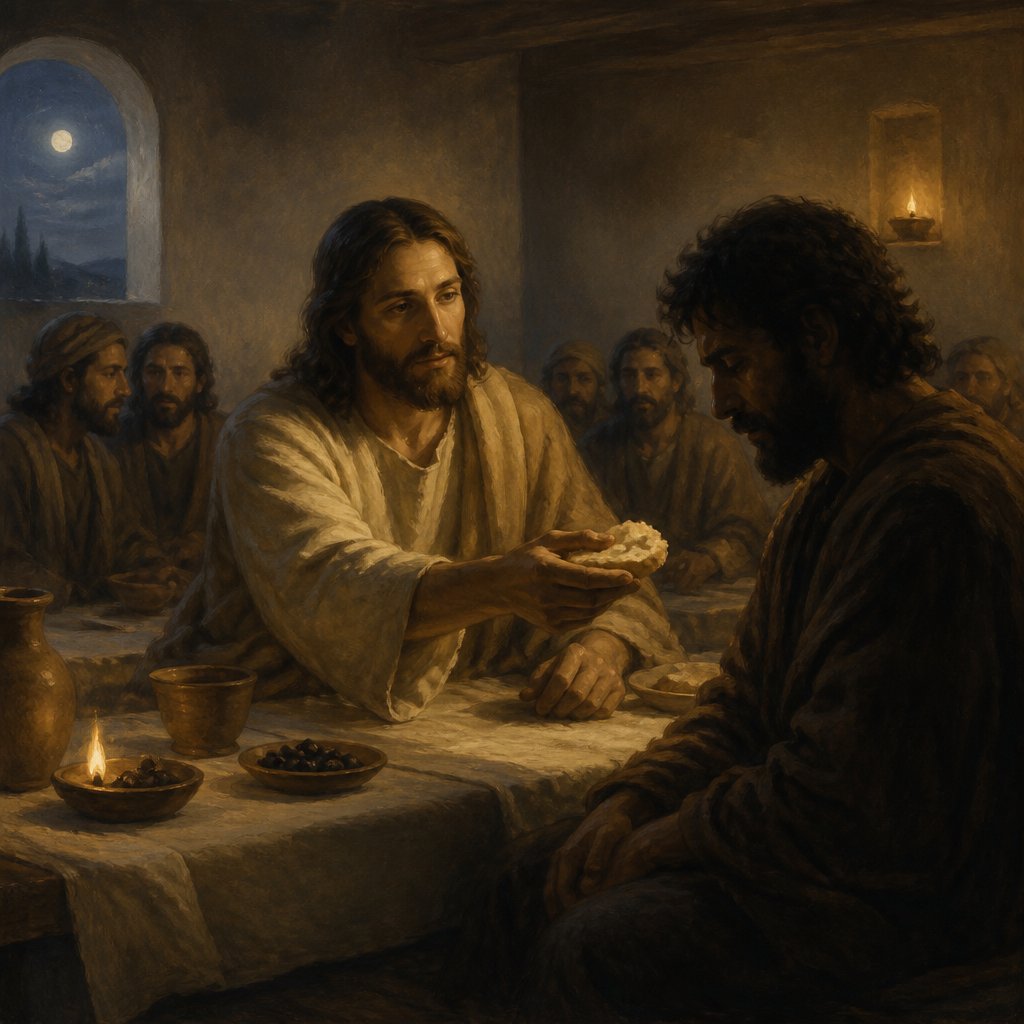
John 13:27 in the King James Version reads, "And after the sop Satan entered into him. Then said Jesus unto him, That thou doest, do quickly." This verse takes place during the Last Supper, a pivotal moment in the life and ministry of Jesus Christ.
The context of this verse is important to understand its deeper meaning. The Last Supper was a Passover celebration that Jesus shared with his twelve disciples. During this meal, Jesus washed the feet of his disciples, performed the symbolic act of breaking bread and sharing wine, and predicted his betrayal by one of his own disciples. This betrayal was fulfilled when Judas Iscariot, one of the twelve, made a deal with the religious leaders to betray Jesus for thirty pieces of silver.
In John 13:27, Jesus has just identified Judas as his betrayer by giving him a piece of bread soaked in the dish. It is at this moment that Satan enters into Judas, indicating that he has fully yielded to the temptations and influences of the evil one. The phrase "And after the sop Satan entered into him" underscores the spiritual battle at play, with Judas yielding to the influence of darkness and succumbing to betrayal.
The phrase "That thou doest, do quickly" spoken by Jesus to Judas is significant in its implications. Some scholars interpret it as Jesus instructing Judas to carry out his betrayal quickly so that the events leading to his crucifixion and subsequent resurrection can be set into motion. Jesus knows that his time on earth is coming to an end, and he is prepared to fulfill his purpose in obedience to God.
The themes of betrayal and obedience are central to the deeper meaning of this verse. Judas's betrayal of Jesus is a poignant example of the consequences of yielding to temptation and turning away from God. It serves as a warning to believers about the destructive power of sin and the choice to follow the will of God or succumb to the influences of darkness. On the other hand, Jesus's obedience to God's plan, even in the face of betrayal and suffering, is a testament to his unwavering faith and commitment to fulfilling his divine purpose.
The symbolism in this verse is also worth exploring. The imagery of the sop, a piece of bread dipped in a dish, carries deep symbolic significance. In ancient times, sharing a piece of bread was a sign of friendship and trust. By offering the sop to Judas, Jesus extends a gesture of goodwill and fellowship, despite knowing that Judas will betray him. This act highlights Jesus's unconditional love and grace, even in the face of imminent betrayal.
In addition, the entry of Satan into Judas serves as a reminder of the spiritual warfare that exists in the world. It underscores the reality of evil and the power of darkness, but also the strength of Jesus's divine authority over such forces. Ultimately, this verse points to the larger narrative of Jesus's sacrifice, redemption, and victory over sin and death.
In conclusion, John 13:27 in the King James Version captures a crucial moment in the biblical narrative, shedding light on themes of betrayal, obedience, and spiritual warfare. It serves as a poignant reminder of the human struggle between good and evil, and the ultimate triumph of Jesus's redemptive mission. As believers, we are called to heed the warnings of Judas's betrayal and emulate Jesus's steadfast obedience to God's will. This verse offers profound insights into the complex dynamics of faith, temptation, and the enduring power of God's love and grace.
Get our apps


Artwork for John 13:27

John 13:27 - "And after the sop Satan entered into him. Then said Jesus unto him, That thou doest, do quickly."
"And after the sop Satan entered into him. Then said Jesus unto him, That thou doest, do quickly." - John 13:27

John 20:27

John 20:27

John 19:25-27

1 John 2:27

John 3:27 - "John answered and said, A man can receive nothing, except it be given him from heaven."

1 John 2:27

John 19:25-27

John 19:26-27

1 John 2:27

1 John 2:27

John 18:27 - "Peter then denied again: and immediately the cock crew."

John 8:27 - "They understood not that he spake to them of the Father."

John 13

John 19:25-27 with emphasis on Mary

Psalm 27:13-14

Luke 13:28-27

Luke 13:28-27

Luke 13:28-27

John 13:13 - "Ye call me Master and Lord: and ye say well; for so I am."
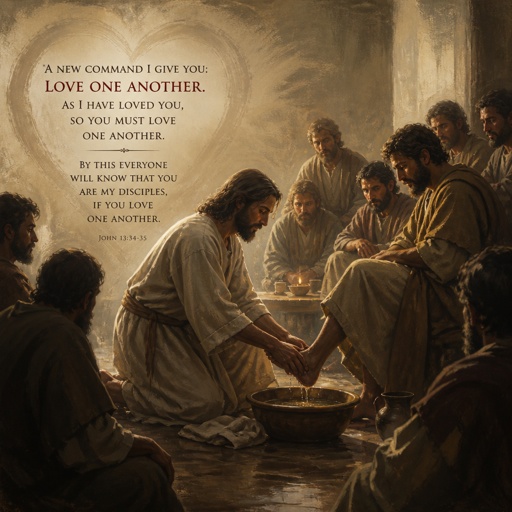
John 13: 34-35

John 10:27 - "My sheep hear my voice, and I know them, and they follow me:"

John 13:4-9

JOHN 6:11-13

John 20:11-13

"They understood not that he spake to them of the Father." - John 8:27

John 15:27 - "And ye also shall bear witness, because ye have been with me from the beginning."

John 5:27 - "And hath given him authority to execute judgment also, because he is the Son of man."

1 John 4:13