What does John 15:25 mean?
“But this cometh to pass, that the word might be fulfilled that is written in their law, They hated me without a cause.” — John 15:25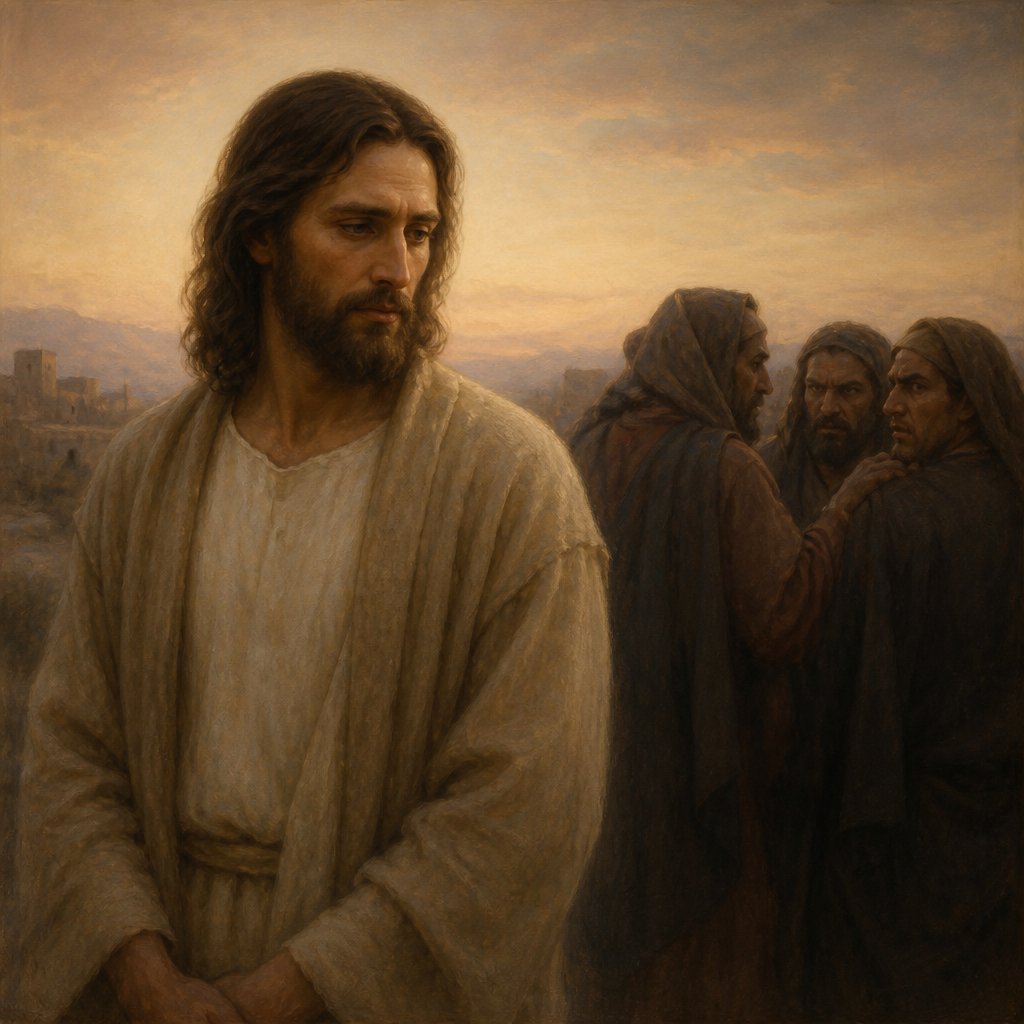
John 15:25 (KJV) states: "But this cometh to pass, that the word might be fulfilled that is written in their law, They hated me without a cause."
This verse is spoken by Jesus as part of his discourse with his disciples during the Last Supper. In this particular verse, Jesus is referencing his impending betrayal and crucifixion. He is explaining to his disciples that the hatred and persecution he is about to face are not without reason, as it is all part of God's plan and fulfillment of prophecy.
The theme of persecution and suffering is central to this verse. Jesus is foreshadowing the events that will soon unfold, as he will be rejected, betrayed, and ultimately crucified. The phrase "They hated me without a cause" serves as a reminder of the unjust treatment that Jesus will endure at the hands of those who oppose him. This theme of persecution is not only relevant to Jesus' own experience but is also reflective of the broader message of Jesus' teachings - that believers can expect to face opposition and suffering in their own lives as a result of their faith.
The context of this verse is important to consider in order to fully understand its significance. Jesus is speaking to his disciples, preparing them for the trials and tribulations that they will face as they continue to spread the gospel message. By referencing the fulfillment of prophecy, Jesus is reinforcing the validity and divine nature of his own mission and the message he has been proclaiming throughout his ministry.
The symbolism in this verse lies in the connection between the persecution of Jesus and the fulfillment of Old Testament prophecy. Jesus refers to "their law," indicating the Jewish scriptures, and specifically quotes from Psalm 69:4. By invoking these Old Testament writings, Jesus is emphasizing the continuity and interconnectedness of the biblical narrative. He is aligning his own suffering and rejection with the experiences of the prophets who came before him, demonstrating that his mission is part of a larger redemptive plan that has been unfolding throughout history.
Furthermore, the phrase "They hated me without a cause" can be seen as a reflection of the broader human condition. Jesus' unjust suffering at the hands of his enemies serves as a powerful symbol of the universal experience of persecution and injustice. In identifying with the suffering of Christ, believers are encouraged to find strength and hope in the face of their own struggles and adversities.
In summary, John 15:25 (KJV) is a poignant and powerful statement made by Jesus as he prepares to face the ultimate test of his loyalty to God. The verse serves as a reminder of the persecution and suffering that Jesus endured, and the larger significance of his sacrifice in fulfilling God's plan. It also carries a broader message about the reality of persecution and suffering for all believers, ultimately pointing to the redemptive power of Christ's sacrifice and the hope that it offers to all who believe.
Get our apps


Artwork for John 15:25

John 15:25 - "But this cometh to pass, that the word might be fulfilled that is written in their law, They hated me without a cause."
"But this cometh to pass, that the word might be fulfilled that is written in their law, They hated me without a cause." - John 15:25

John 18:25

John 12:25

John 15.12-25

John 21:25

John 19:25-27

John 19:25-27

John 15:7

Genesis 25-15

John 15:7

John 15:5

John 15:5

John 19:25-27 with emphasis on Mary

John 15 The Vine

John 7:25 - "Then said some of them of Jerusalem, Is not this he, whom they seek to kill?"

Mark 15:25 - "And it was the third hour, and they crucified him."

John 3:25 - "¶ Then there arose a question between some of John's disciples and the Jews about purifying."

Genesis 25:15 - "Hadar, and Tema, Jetur, Naphish, and Kedemah:"

John 14:15-21

John 15:26 NLT

John 15:1-8

John 2:25 - "And needed not that any should testify of man: for he knew what was in man."

1 John 2:25 - "And this is the promise that he hath promised us, even eternal life."

John 13:25 - "He then lying on Jesus' breast saith unto him, Lord, who is it?"

John 15:9-10

John 15:9-10

John 21:15-19

Joshua 15:25 - "And Hazor, Hadattah, and Kerioth, and Hezron, which is Hazor,"

John 14:25 - "These things have I spoken unto you, being yet present with you."