What does John 15:9-10 mean?
“As the Father hath loved me, so have I loved you: continue ye in my love. If ye keep my commandments, ye shall abide in my love; even as I have kept my Father’s commandments, and abide in his love.” — John 15:9-10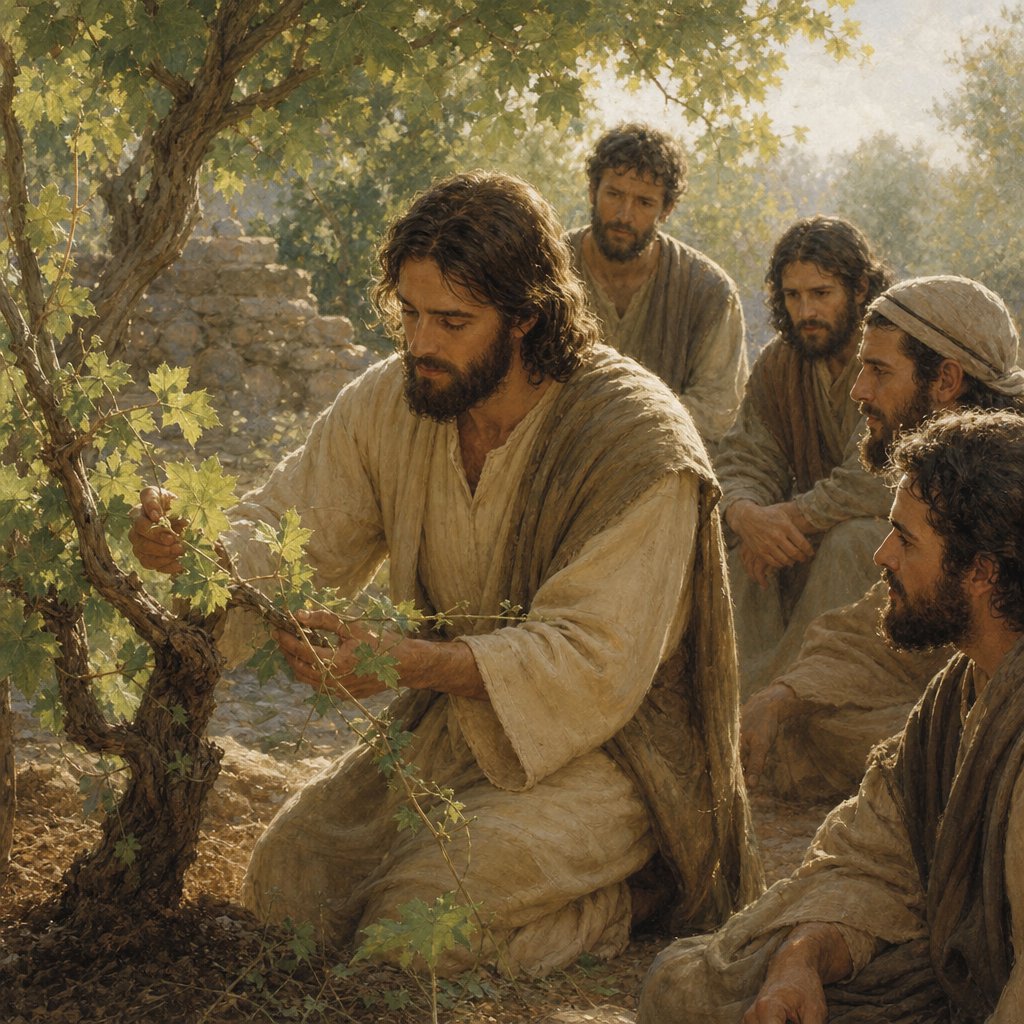
John 15 sits inside the night in which Jesus is preparing His disciples for His departure. He has washed their feet, spoken of betrayal, promised the Comforter, and begun to frame what their life will look like when He is no longer bodily present with them. In this setting Jesus speaks the words of John 15:9–10 (KJV): “As the Father hath loved me, so have I loved you: continue ye in my love. If ye keep my commandments, ye shall abide in my love; even as I have kept my Father’s commandments, and abide in his love.” The meaning is not abstract sentiment but a description of the living pattern of divine love, and of the way disciples are to remain within it.
The first thing Jesus does is anchor His love for the disciples in the love that eternally exists between the Father and the Son: “As the Father hath loved me, so have I loved you.” The comparison is staggering because it places the disciples’ security, not in their strength, but in the same kind of love that unites Father and Son. Jesus is not saying merely that He loves them “a lot,” but that His love is of one piece with the Father’s love for Him: steady, purposeful, and covenantal. In the immediate context, where Jesus has just said, “I am the true vine” and has spoken of branches that must remain in the vine to bear fruit, this love is the life-sap of the vine. It is not a mood that comes and goes; it is the environment of spiritual life. The disciples are being told that, after His departure, they will not be left to manufacture fellowship with God; the fellowship is given in Christ’s own love.
Then Jesus gives an imperative: “continue ye in my love.” The word “continue” in KJV carries the sense of remaining, staying, dwelling, not drifting away. It fits the vine imagery that dominates the chapter: a branch does not bear fruit by momentary contact but by remaining joined. To “continue” is therefore not simply to remember that Christ loves you, but to live in such a way that you do not step out of that fellowship by willful resistance. It is an invitation to stability. In a night filled with warnings of stumbling, scattering, and fear, Christ’s call is for constancy: stay where life is, stay where love is.
Jesus immediately clarifies what this “continuing” looks like, because love in John 15 is not reduced to emotion or vague spirituality. “If ye keep my commandments, ye shall abide in my love.” The meaning is not that obedience purchases Christ’s love, as though His affection is a wage paid to the well-behaved. He has already stated the love: “so have I loved you.” Rather, obedience is the path by which a disciple remains in the experience and enjoyment of that love; it is the posture that refuses to sever fellowship. In John’s Gospel, “keep” is not a cold legal term but one that implies guarding, holding fast, treasuring, and practicing. Christ’s commandments are not random tests; they are the shape of life inside the vine. When a disciple keeps them, he is not earning a place in the love, but walking in harmony with it, and therefore “abiding” in it.
The symbolism of “abide” is especially important. In John 15, to abide is to remain connected to the source of life so that fruit appears naturally from union. A branch does not strain to be alive; it abides, and life flows. In the same way, obedience is presented as the natural expression of an alive relationship, not the artificial effort of the spiritually dead. This is why the passage ties love and commandments so tightly: love is the root, obedience is the fruit. Yet the fruit is also a means of continued fellowship, because willful disobedience hardens the heart and disrupts communion. So the verse explains both how love expresses itself and how love is stayed in.
Jesus then grounds this principle in His own life: “even as I have kept my Father’s commandments, and abide in his love.” Here the relationship between Father and Son becomes the model for the relationship between Christ and the disciple. The Son’s obedience to the Father is not servile fear but loving alignment, and it is described as the way He “abide[s] in his love.” This does not suggest that the Father loves the Son only when the Son performs; rather it reveals that within the Trinity, love and will are not at odds. The Son delights to do the Father’s will, and that delighted obedience is itself a form of remaining within the Father’s love. By saying “even as,” Jesus dignifies discipleship: He is not asking for something foreign to divine life; He is inviting His people into the pattern that is already true in Him.
The larger context of John 15 deepens the significance. Just before these verses Jesus has spoken of pruning: branches that bear fruit are purged “that it may bring forth more fruit.” This makes “keep my commandments” sound less like mere rule-keeping and more like accepting the Father’s shaping work, allowing the life of Christ to produce holiness and love. And shortly after, Jesus will say, “This is my commandment, That ye love one another, as I have loved you.” So the commandments in view are not limited to isolated moral instructions; they culminate in a distinctively Christlike love that moves outward toward others. In other words, to continue in Christ’s love is not a private mystical experience; it takes visible form in obedient, sacrificial love within the community of believers.
The passage also carries covenant overtones. In Scripture, love and obedience often belong together not because love is fragile, but because covenant relationship is personal. When Israel is called to love the LORD, that love is shown by walking in His ways. John 15:9–10 presents a fulfilled and intensified version of that: the covenant mediator Himself, Jesus Christ, shares His love and commands His disciples to remain within it. The relationship is not impersonal law; it is personal allegiance shaped by divine love. The commandments are therefore not barriers to joy but the way love is protected and expressed.
Finally, John 15:9–10 prepares the reader for what comes next in the chapter: joy, friendship with Christ, hatred from the world, and the need for the Comforter. If disciples are to face a hostile world, they must have a stable center. Jesus gives that center as His love, and then shows how it is lived in: “continue” and “keep.” The heart of the meaning is that the disciple’s life is meant to be an ongoing dwelling in Christ’s given love, and that this dwelling is maintained through obedience that mirrors Christ’s own obedient communion with the Father. Love descends from the Father to the Son to the disciples, and the disciples remain within that stream of love by taking Christ’s words seriously enough to live them.
Get our apps


Artwork for John 15:9-10

John 15:9-10

John 15:9-10

John 15:9-10 - "As the Father has loved me, so have I loved you. Now remain in my love. If you keep my commands, you will remain in my love, just as I have kept my Father’s commands and remain in his love."

"As the Father has loved me, so have I loved you. Now remain in my love. If you keep my commands, you will remain in my love, just as I have kept my Father’s commands and remain in his love." - John 15:9-10
"As the Father has loved me, so have I loved you. Now remain in my love. If you keep my commands, you will remain in my love, just as I have kept my Father’s commands and remain in his love." - John 15:9-10
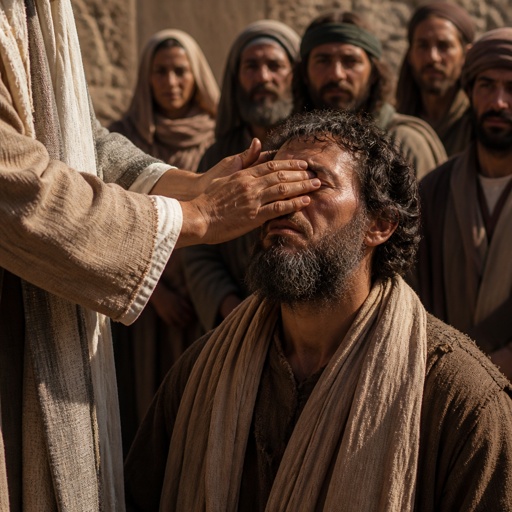
John 9:10

John 10:9

John 10:9

John 10:9

John 15:9 - "As the Father hath loved me, so have I loved you: continue ye in my love."

John 9:10 - "Therefore said they unto him, How were thine eyes opened?"

John 10:15 - "As the Father knoweth me, even so know I the Father: and I lay down my life for the sheep."

John 10:9 - "I am the door: by me if any man enter in, he shall be saved, and shall go in and out, and find pasture."

John 15:10 - "If ye keep my commandments, ye shall abide in my love; even as I have kept my Father's commandments, and abide in his love."
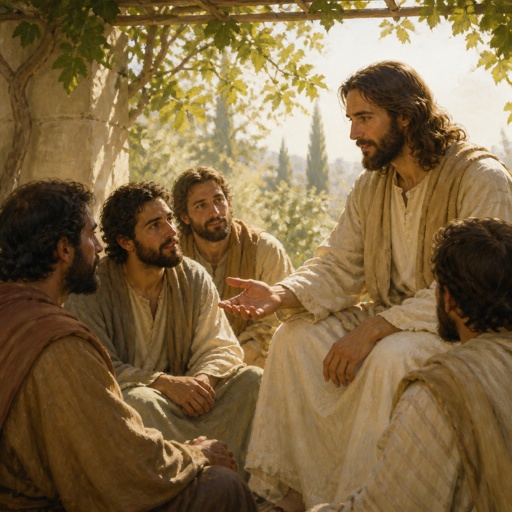
"As the Father hath loved me, so have I loved you: continue ye in my love." - John 15:9
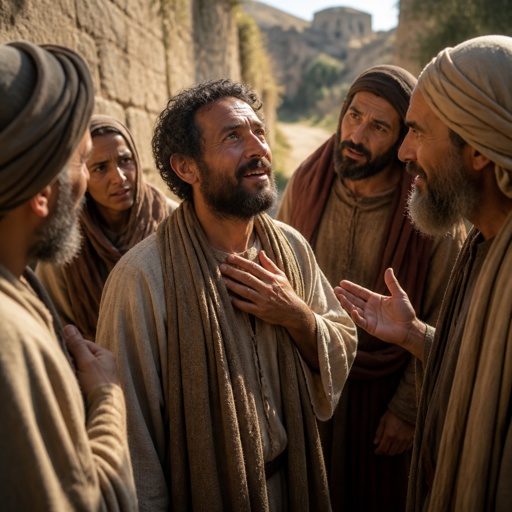
"Therefore said they unto him, How were thine eyes opened?" - John 9:10

John 10:9-10 - "I am the door: by me if any man enter in, he shall be saved, and shall go in and out, and find pasture. The thief cometh not, but for to steal, and to kill, and to destroy: I am come that they might have life, and that they might have it more abundantly."

John 10:10

John 10:10

John 10:10

John 10:10

John 10:10

John 10:10

John 10:10

John 9:15 - "Then again the Pharisees also asked him how he had received his sight. He said unto them, He put clay upon mine eyes, and I washed, and do see."

John 15:7

John 5:9-10 - "And immediately the man was made whole, and took up his bed, and walked: and on the same day was the sabbath. The Jews therefore said unto him that was cured, It is the sabbath day: it is not lawful for thee to carry thy bed."

John 15:7

John 10:9-10 - "I am the door: by me if any man enter in, he shall be saved, and shall go in and out, and find pasture. The thief cometh not, but for to steal, and to kill, and to destroy: I am come that they might have life, and that they might have it more abundantly."

John 10:9-10 - "I am the door: by me if any man enter in, he shall be saved, and shall go in and out, and find pasture. The thief cometh not, but for to steal, and to kill, and to destroy: I am come that they might have life, and that they might have it more abundantly."