What does John 18:12 mean?
“Then the band and the captain and officers of the Jews took Jesus, and bound him,” — John 18:12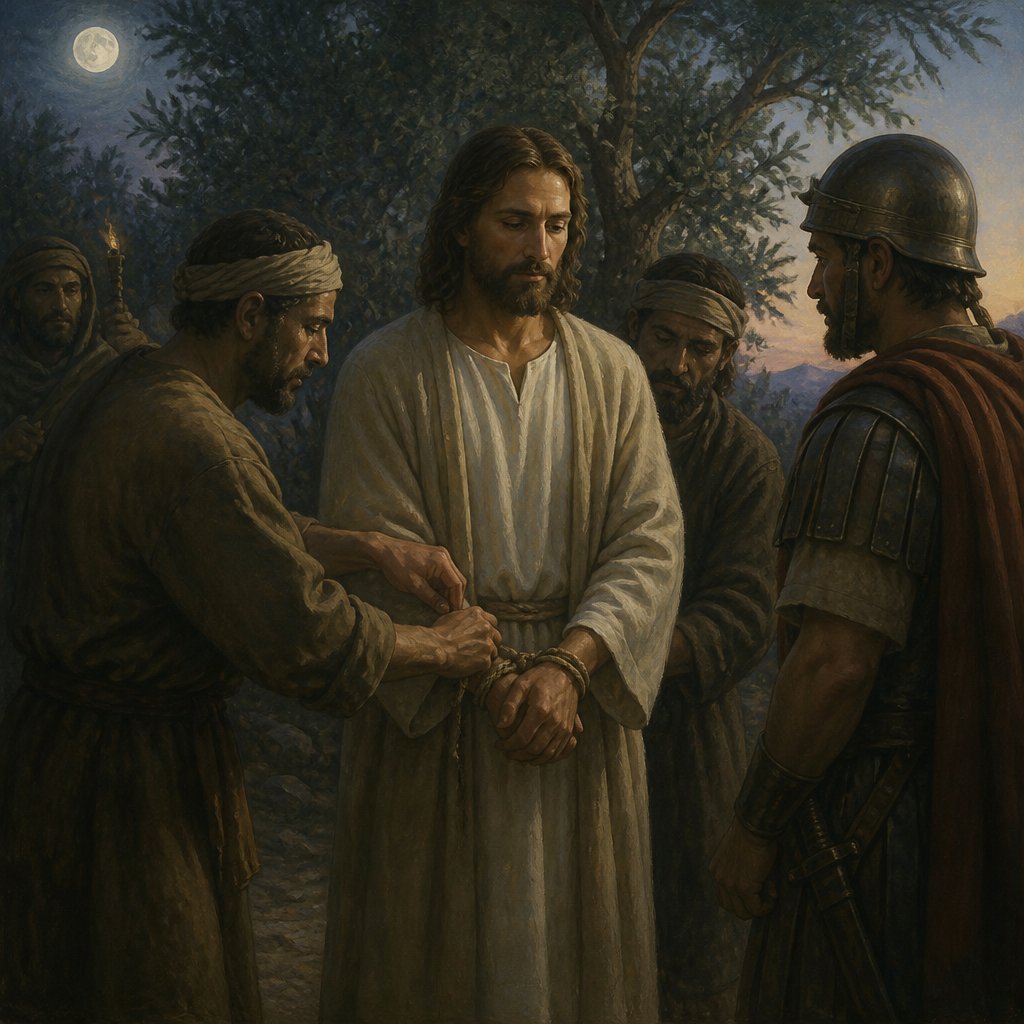
In the book of John, Chapter 18, Verse 12, the King James Version (KJV) of the Bible states, "Then the band and the captain and officers of the Jews took Jesus, and bound him."
This verse is part of the larger narrative of the arrest and subsequent trial of Jesus Christ. It occurs immediately after Jesus is betrayed by Judas Iscariot and is taken into custody by a band of soldiers and officers sent by the chief priests and Pharisees. The symbolism and meaning of this verse, within its broader context, speaks to themes of sacrifice, persecution, and the fulfillment of prophecy.
The first element to consider in understanding the meaning of this verse is the symbolic significance of Jesus being bound. Throughout the Gospels, the binding of Jesus is often associated with the idea of his submission to the will of God and his voluntary sacrifice for the sins of humanity. By allowing himself to be bound and ultimately crucified, Jesus fulfills the prophecies of the Old Testament, particularly those found in the book of Isaiah, which foreshadow the suffering and atoning sacrifice of the Messiah.
Additionally, the act of Jesus being taken into custody by the authorities also carries symbolic weight in the context of the broader biblical narrative. It underscores the theme of persecution and the reality that Jesus, as the embodiment of truth and righteousness, was a threat to the established religious and political powers of his time. His arrest and subsequent trial also serve as a foreshadowing of the persecution and suffering that his followers would endure in the future, as well as a testament to the universal truth that those who seek to live according to God's will may face opposition and persecution in the world.
Furthermore, the imagery of Jesus being taken into custody by a band of soldiers and officers of the Jews is rich with contextual significance. It reflects the collusion between the religious elite and the Roman authorities in their efforts to silence and ultimately eliminate Jesus, illustrating the depth of the forces aligned against him. This serves as a reminder of the broader spiritual conflict between the forces of good and evil, as well as the pervasive influence of sin and corruption in the world, both in the time of Jesus and throughout history.
In summary, John 18:12, within the broader context of the Gospel narrative, carries profound symbolism and meaning. It speaks to the voluntary sacrifice of Jesus, the theme of persecution and suffering, and the fulfillment of Old Testament prophecy. It serves as a powerful reminder of the spiritual conflicts at play in the world and the universal truth that those who seek to live according to God's will may face opposition and persecution. This verse is a poignant and powerful reminder of the significance of Jesus' arrest and the redemptive purpose of his suffering and death.
Get our apps


Artwork for John 18:12

John 18:12 - "Then the band and the captain and officers of the Jews took Jesus, and bound him,"
"Then the band and the captain and officers of the Jews took Jesus, and bound him," - John 18:12

John 18:12-14 - "So the band of soldiers, the tribune, and the Jewish police arrested Jesus and bound him. They brought him to Annas first, for he was the father-in-law of Caiaphas, who was high priest that year. Caiaphas was the one who had advised the Jews that it was better to have one person die for the people."
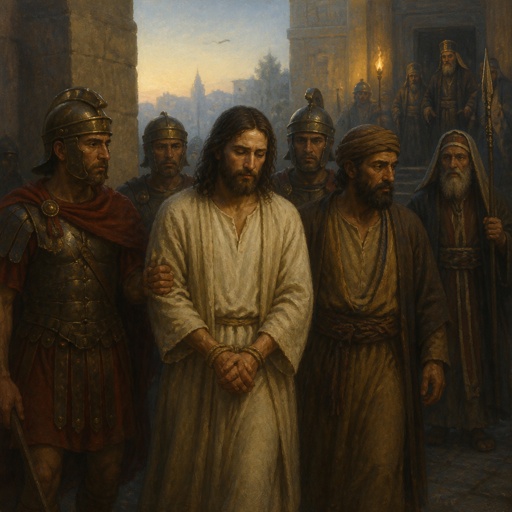
"So the band of soldiers, the tribune, and the Jewish police arrested Jesus and bound him. They brought him to Annas first, for he was the father-in-law of Caiaphas, who was high priest that year. Caiaphas was the one who had advised the Jews that it was better to have one person die for the people." - John 18:12-14
John 12:18 - "For this cause the people also met him, for that they heard that he had done this miracle."
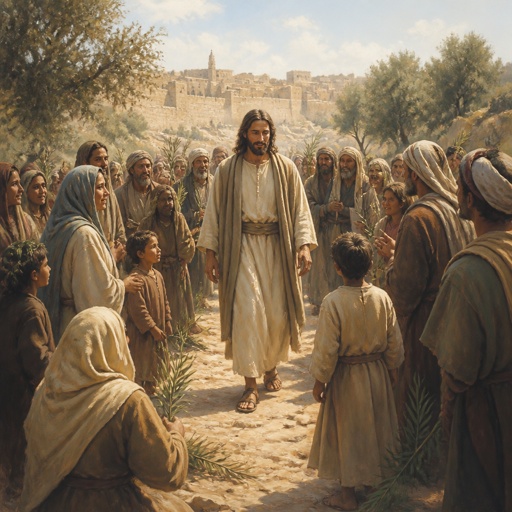
"For this cause the people also met him, for that they heard that he had done this miracle." - John 12:18

John 7:17-18

John 7:17-18

John 7:17-18

John 7:17-18

John 18:25

john 18:36
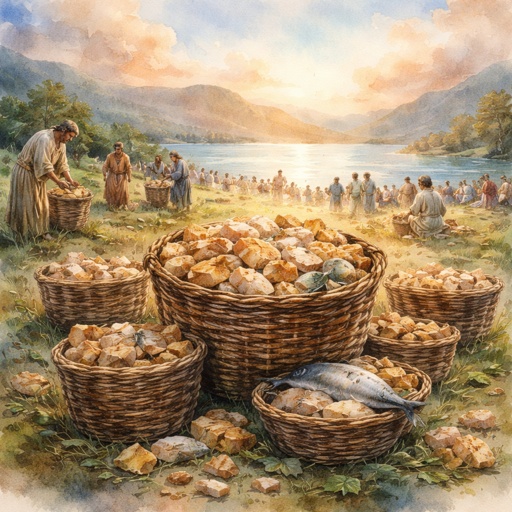
John 6:12

John 8:12

1 John 5:18

1 John 4:18

1 John 4:18

John 12:25
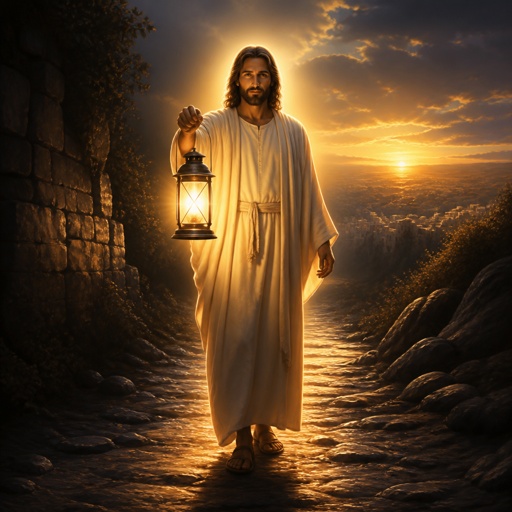
John 8:12

John 8:12

John 8:12
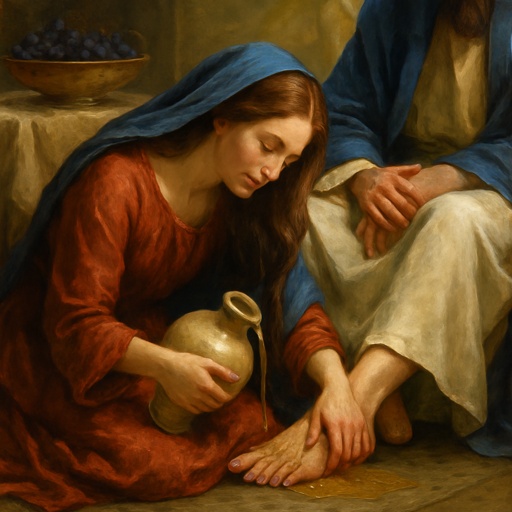
John 12:3

John 8:12

John 6:18 - "And the sea arose by reason of a great wind that blew."

John 18:27 - "Peter then denied again: and immediately the cock crew."

John 20:11-12

Mark 2:18 - "And the disciples of John and of the Pharisees used to fast: and they come and say unto him, Why do the disciples of John and of the Pharisees fast, but thy disciples fast not?"

John 12:12 - "¶ On the next day much people that were come to the feast, when they heard that Jesus was coming to Jerusalem,"
Luke 7:18 - "And the disciples of John shewed him of all these things."

Genesis 18-12