What does John 18:20 mean?
“Jesus answered him, I spake openly to the world; I ever taught in the synagogue, and in the temple, whither the Jews always resort; and in secret have I said nothing.” — John 18:20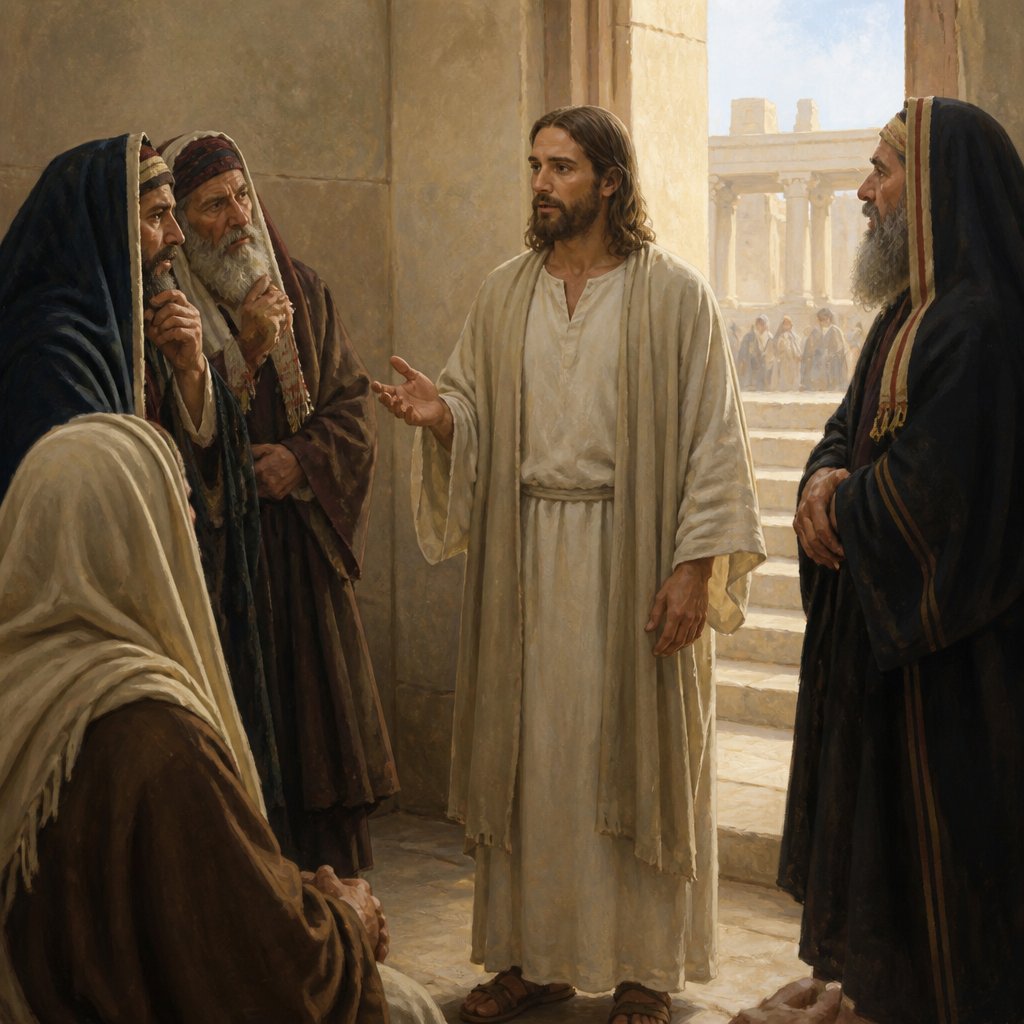
John 18:20 (KJV) reads, "Jesus answered him, I spake openly to the world; I ever taught in the synagogue, and in the temple, whither the Jews always resort; and in secret have I said nothing."
This verse is spoken by Jesus during his trial before the high priest, Caiaphas, after being arrested in the Garden of Gethsemane. It is a declaration of his innocence and a reference to his public ministry. In this verse, Jesus is emphasizing that he has not conducted his teachings in secret, but has always spoken openly to the world. This statement of Jesus is significant as it challenges the accusations made against him and establishes his transparency and integrity as a teacher and leader.
The context of this verse is crucial to understanding its full meaning. Jesus is standing before the high priest who questions him about his disciples and his teachings. Caiaphas seeks to find incriminating evidence against Jesus, but Jesus responds with confidence and assurance, claiming that he has not conducted his teachings in secret. This statement not only denies the false accusations brought against him but also exposes the lack of evidence to support the charges.
The themes present in this verse are openness, transparency, and integrity. Jesus' assertion that he has spoken openly to the world reflects his commitment to truth and righteousness. His entire ministry was characterized by the proclamation of the Gospel and the revelation of God's kingdom to all people. This theme of openness is also reflected in Jesus' interactions with the public, as he welcomed all, regardless of their status or background, to come and hear his teachings.
Additionally, the context of Jesus' trial and the accusations against him highlights the theme of persecution and injustice. Jesus' statement serves as a defense against the false charges brought against him, illustrating the unjust treatment and persecution he endured. Despite his innocence and integrity, Jesus was subjected to a biased and unjust trial, ultimately leading to his crucifixion. This theme of persecution and injustice is central to the narrative of Jesus' passion and death, emphasizing the sacrificial nature of his mission and the redemptive significance of his suffering.
Symbolism is also present in this verse, particularly in Jesus' reference to teaching in the synagogue and the temple. These places hold symbolic significance as centers of religious authority and learning in Jewish society. By emphasizing his presence and teachings in these sacred spaces, Jesus establishes his authority as a teacher and a leader. Furthermore, the contrast between his public teachings and the lack of secrecy underscores the authenticity and divine nature of his message. Jesus' words affirm the fulfillment of prophecy and the continuity of God's plan through his public ministry and teachings.
In conclusion, John 18:20 in the King James Version of the Bible encompasses themes of openness, transparency, and integrity in the face of persecution and injustice. It serves as a powerful declaration of Jesus' innocence and righteousness and highlights the symbolic significance of his teachings in the synagogue and the temple. This verse not only reinforces the authenticity of Jesus' mission but also underscores the redemptive significance of his suffering and sacrifice. Overall, it is a profound statement that captures the essence of Jesus' public ministry and his unwavering commitment to truth and righteousness.
Get our apps


Artwork for John 18:20

John 18:20 - "Jesus answered him, I spake openly to the world; I ever taught in the synagogue, and in the temple, whither the Jews always resort; and in secret have I said nothing."
"Jesus answered him, I spake openly to the world; I ever taught in the synagogue, and in the temple, whither the Jews always resort; and in secret have I said nothing." - John 18:20

John 20:18 - "Mary Magdalene came and told the disciples that she had seen the Lord, and that he had spoken these things unto her."

John 7:17-18

John 7:17-18

John 20;18
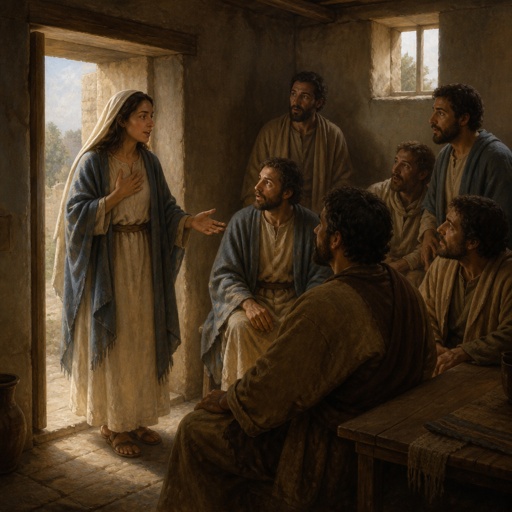
"Mary Magdalene came and told the disciples that she had seen the Lord, and that he had spoken these things unto her." - John 20:18

John 20:21

John 7:17-18

John 7:17-18

John 18:25

john 18:36

John 20:14

John 20:27

John 20:27

John 20:11-12

John 20:11-13

Matthew 18:20

John 20:30-31

Genesis 20-18

Genesis 18-20

Matthew 18:20

Matthew 18:20

1 John 5:18

1 John 4:18

1 John 4:18

Luke 20:4 - "The baptism of John, was it from heaven, or of men?"

2 Chronicles 20:18

John 6:20 - "But he saith unto them, It is I; be not afraid."

John 6:18 - "And the sea arose by reason of a great wind that blew."