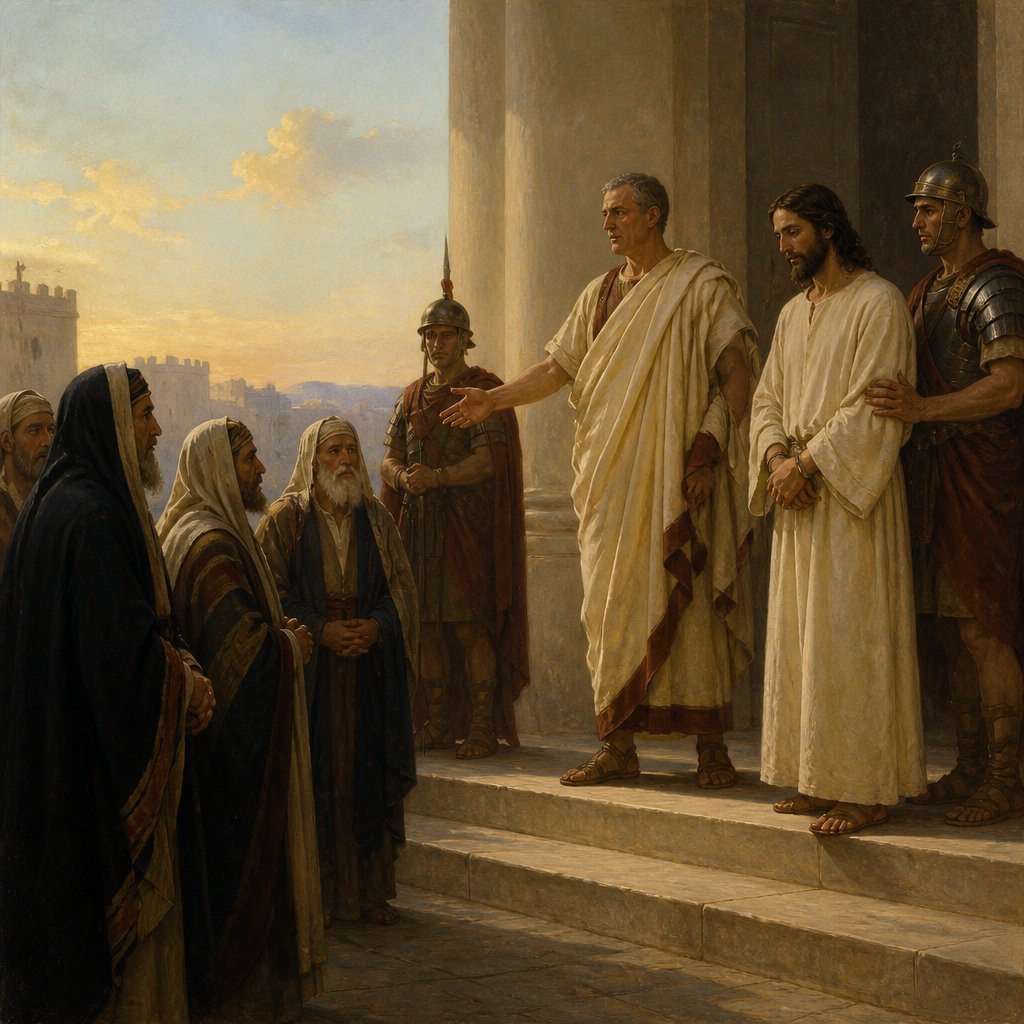
John 18:28-32 in the King James Version of the Bible tells the story of Jesus' trial before Pontius Pilate. This passage is part of the larger narrative of Jesus' arrest and crucifixion, which is a central event in Christian theology and the foundation of the Christian faith.
In this passage, it says, "Then led they Jesus from Caiaphas unto the hall of judgment: and it was early; and they themselves went not into the judgment hall, lest they should be defiled; but that they might eat the passover." This verse sets the scene for the unfolding drama. The religious authorities have arrested Jesus and are now bringing him before the Roman governor, Pontius Pilate, to seek his execution. The fact that the religious leaders are concerned with ritual cleanliness as they proceed with their plot to kill Jesus is an ironic and hypocritical juxtaposition. It demonstrates the depths of their deception and the lengths to which they are willing to go to achieve their goal.
When Pilate asks them what accusation they bring against Jesus, they deflect his question and respond, "If he were not a malefactor, we would not have delivered him up unto thee." This response is evasive and reveals the insincerity and lack of legality in their actions. They are seeking to manipulate Pilate into condemning Jesus without presenting a legitimate case against him. Their lack of evidence and reliance on subterfuge underscores the unjust nature of their intentions.
Pilate, sensing their deceit, responds, "Take ye him, and judge him according to your law." Pilate is attempting to pass the responsibility for Jesus' fate back to the religious leaders, recognizing that they are driven by their own agenda and are not truly seeking justice. However, the religious leaders know that they do not have the authority to carry out a death sentence, so they insist that Jesus must be tried by Roman law since they are under Roman occupation.
This exchange illustrates the tension between the religious and political powers in the time of Jesus. The religious leaders are eager to see Jesus put to death, but they need the backing of the Roman government to carry out their plan. Pilate, on the other hand, is wary of becoming embroiled in the internal affairs of the Jewish people and is reluctant to condemn Jesus without a clear legal basis. This sets the stage for the crucifixion of Jesus, which ultimately becomes a collaboration between the religious and political authorities, both driven by their own motives and self-interests.
In this passage, there are themes of justice, deception, and the clash between religious and secular authority. Jesus' trial before Pilate serves as a powerful example of the perversion of justice and the abuse of power. The religious leaders, who are expected to uphold righteousness and fairness, are shown to be driven by their own selfish desires and are willing to manipulate the legal system to achieve their ends. Pilate, the representative of Roman authority, is depicted as being more concerned with maintaining order and appeasing the crowd than with upholding true justice.
The symbolism in this passage is evident in the contrast between the religious leaders' concern for ritual purity and their willingness to commit a grave injustice. Their outward displays of piety and adherence to religious customs mask their inner corruption and moral bankruptcy. Similarly, Pilate's reluctance to make a just decision highlights the moral cowardice and lack of integrity that can characterize secular power.
Overall, John 18:28-32 presents a powerful and poignant commentary on the nature of justice, the abuse of power, and the flawed moral character of humanity. It serves as a reminder of the dangers of unchecked authority and the importance of upholding true righteousness and fairness in all aspects of life. As Christians reflect on this passage, they are challenged to seek justice, show mercy, and strive for moral integrity in their own lives, following the example of Jesus Christ, who was unjustly condemned but ultimately triumphed over death and sin.
Get our apps


Artwork for John 18:28-32
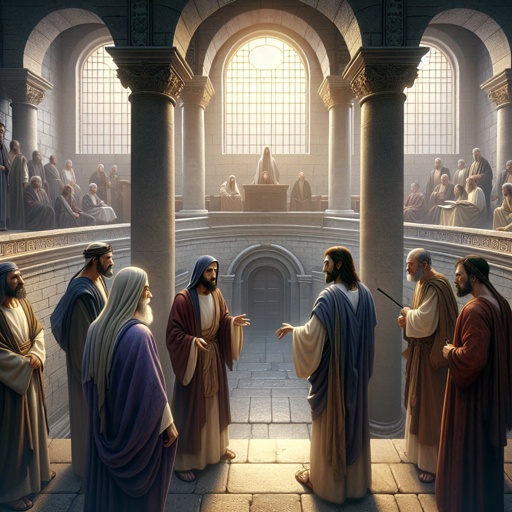
John 18:28-32 - "Then led they Jesus from Caiaphas unto the hall of judgment: and it was early; and they themselves went not into the judgment hall, lest they should be defiled; but that they might eat the passover. Pilate then went out unto them, and said, What accusation bring ye against this man? They answered and said unto him, If he were not a malefactor, we would not have delivered him up unto thee. Then said Pilate unto them, Take ye him, and judge him according to your law. The Jews therefore said unto him, It is not lawful for us to put any man to death: That the saying of Jesus might be fulfilled, which he spake, signifying what death he should die."
"Then led they Jesus from Caiaphas unto the hall of judgment: and it was early; and they themselves went not into the judgment hall, lest they should be defiled; but that they might eat the passover. Pilate then went out unto them, and said, What accusation bring ye against this man? They answered and said unto him, If he were not a malefactor, we would not have delivered him up unto thee. Then said Pilate unto them, Take ye him, and judge him according to your law. The Jews therefore said unto him, It is not lawful for us to put any man to death: That the saying of Jesus might be fulfilled, which he spake, signifying what death he should die." - John 18:28-32

John 18:32 - "That the saying of Jesus might be fulfilled, which he spake, signifying what death he should die."

John 18:28 - "¶ Then led they Jesus from Caiaphas unto the hall of judgment: and it was early; and they themselves went not into the judgment hall, lest they should be defiled; but that they might eat the passover."

Exodus 32:28
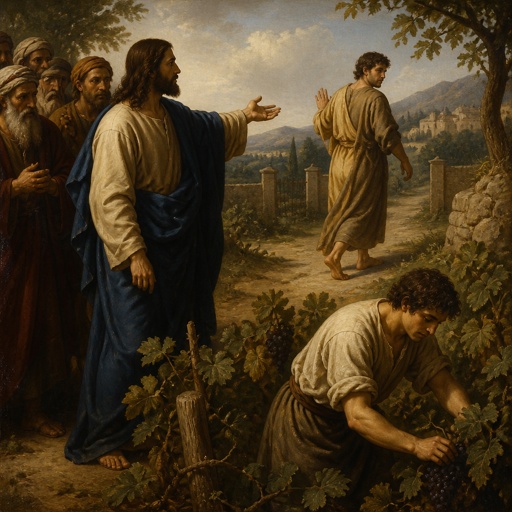
Matthew 21:28-32
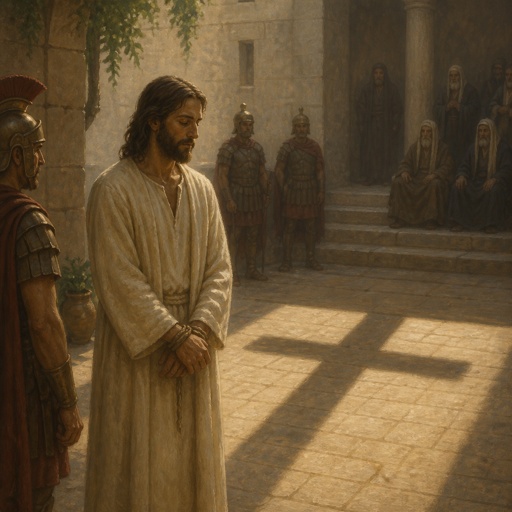
"That the saying of Jesus might be fulfilled, which he spake, signifying what death he should die." - John 18:32

Jeremiah 32:18

Genesis 18-32

Deuteronomy 32:28 - "For they are a nation void of counsel, neither is there any understanding in them."
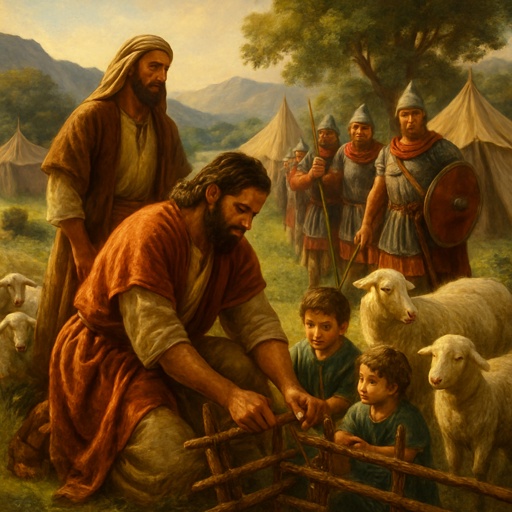
Numbers 32:16-18
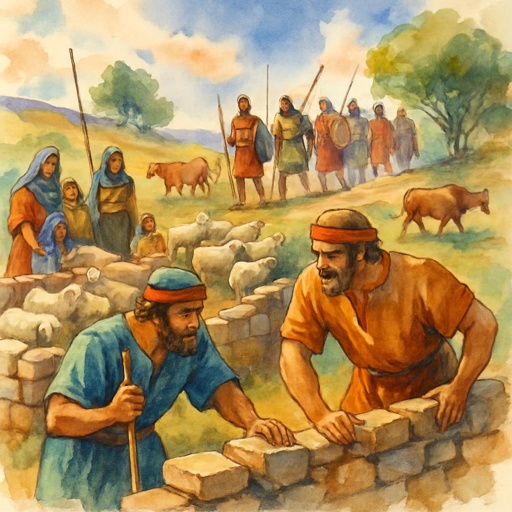
Numbers 32:16-18

John 5:28

John 14:28

John 5:28

John 5:28

John 1:28 - "These things were done in Bethabara beyond Jordan, where John was baptizing."

John 1:32 - "And John bare record, saying, I saw the Spirit descending from heaven like a dove, and it abode upon him."

Genesis 18-28

Genesis 28:18

Genesis 28:18

John 8:32 - "And ye shall know the truth, and the truth shall make you free."

John 7:17-18

John 7:17-18

Exodus 32:28 - "And the children of Levi did according to the word of Moses: and there fell of the people that day about three thousand men."

2 Chronicles 32:28 - "Storehouses also for the increase of corn, and wine, and oil; and stalls for all manner of beasts, and cotes for flocks."

John 4:32 - "But he said unto them, I have meat to eat that ye know not of."

Psalms 18:32 - "It is God that girdeth me with strength, and maketh my way perfect."

John 7:17-18

John 7:17-18