What does John 19:22 mean?
“Pilate answered, What I have written I have written.” — John 19:22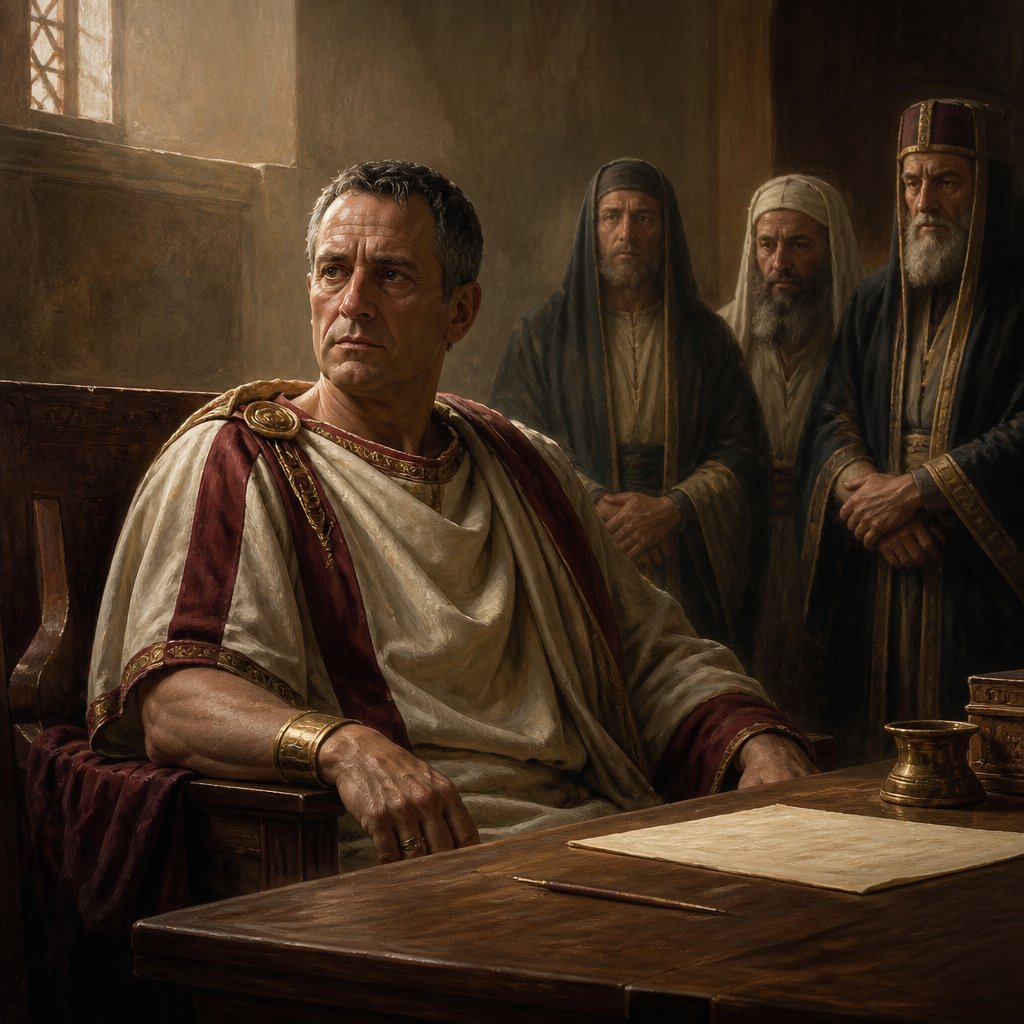
John 19:22 in the King James Version of the Bible reads, "Pilate answered, 'What I have written, I have written.'" This verse comes at a pivotal moment in the crucifixion of Jesus Christ, as it reflects the unwavering determination of Pontius Pilate, the Roman governor of Judea, to have a sign proclaiming Jesus as the "King of the Jews" displayed above Jesus' cross.
The context of John 19:22 is essential in understanding its significance. After Jesus was scourged, mocked, and ridiculed, the Roman soldiers placed a crown of thorns on his head and dressed him in a purple robe before leading him to be crucified. Pilate had previously questioned Jesus and found no fault in him, but due to pressure from the Jewish religious leaders and the crowds, he ultimately gave in to their demands to have Jesus crucified. As a final act of defiance and in response to the Jewish leaders' objections to the wording on the sign, Pilate states, "What I have written, I have written."
In this verse, Pilate's declaration serves as a symbol of his own power and authority, as well as a statement of finality and resolution. Despite the objections of others and perhaps even his own reservations, Pilate refuses to change the inscription on the sign. This act reflects a sense of pride, arrogance, and a refusal to be swayed by the opinions of others. It also highlights the political dynamics at play, as Pilate seeks to assert his authority and maintain control over the situation.
The theme of power and authority is central to the message of this verse. Pilate, as the Roman governor, held significant power over the people of Judea, and his decision to crucify Jesus demonstrated the exercise of that authority. His refusal to alter the wording on the sign further underscores his position of power and his unwillingness to yield to the demands of others.
Additionally, the symbolism of the sign itself is important. The inscription "Jesus of Nazareth, the King of the Jews" conveyed both a religious and political message. It placed Jesus in the position of a king, which stood in direct opposition to the Roman rule and the authority of the Emperor. This was a deliberate affront to the Roman occupation of Judea and was likely intended to provoke a response from the Roman authorities. The inscription also held religious significance, as it identified Jesus as the long-awaited Messiah, the fulfillment of the prophecies of the Jewish Scriptures.
Furthermore, the words of Pilate in John 19:22 can be viewed as a reflection of the wider themes of truth and resolve. Despite the conflicting opinions surrounding Jesus' identity and the controversy surrounding his crucifixion, Pilate's declaration presents an unyielding stance. In this sense, the verse reflects the idea of standing firm in one's convictions, even in the face of opposition or adversity.
In conclusion, John 19:22 from the King James Version of the Bible holds profound significance within the narrative of Jesus' crucifixion. The verse encapsulates the themes of power, authority, resolve, and defiance, as well as the symbolism of the inscription on the sign above Jesus' cross. It serves as a poignant reminder of the political and religious dynamics at play during the crucifixion, and it has continued to be a source of reflection and contemplation for Christians throughout history.
Get our apps


Artwork for John 19:22

John 19:22 - "Pilate answered, What I have written I have written."
"Pilate answered, What I have written I have written." - John 19:22

John 19:38

John 19:1

John 19:19 - "¶ And Pilate wrote a title, and put it on the cross. And the writing was, JESUS OF NAZARETH THE KING OF THE JEWS."

John 17.6-19

Genesis 22:19

Genesis 19-22

John 19:1-3

John 19:25-27

John 10:22 - "¶ And it was at Jerusalem the feast of the dedication, and it was winter."

John 1:19 - "¶ And this is the record of John, when the Jews sent priests and Levites from Jerusalem to ask him, Who art thou?"

John 19:25-27

John 19:26-27

John 21:15-19

1 kings 22:19

John 10:19 - "¶ There was a division therefore again among the Jews for these sayings."

John 19:1 - "Then Pilate therefore took Jesus, and scourged him."

John 13:22 - "Then the disciples looked one on another, doubting of whom he spake."
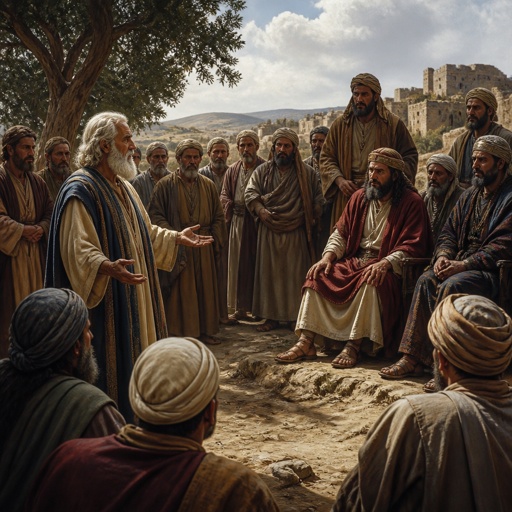
1 Samuel 8:19-22
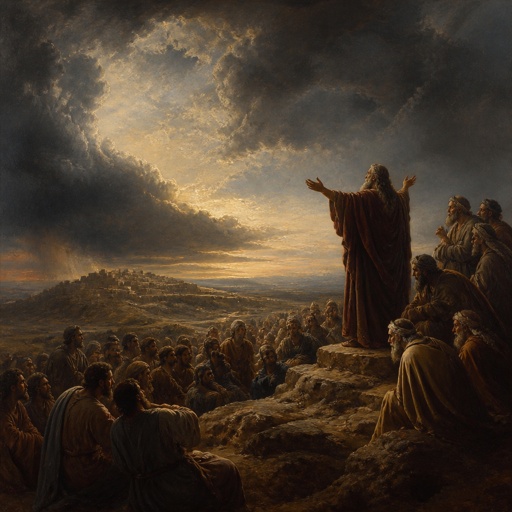
1 Samuel 8:19-22
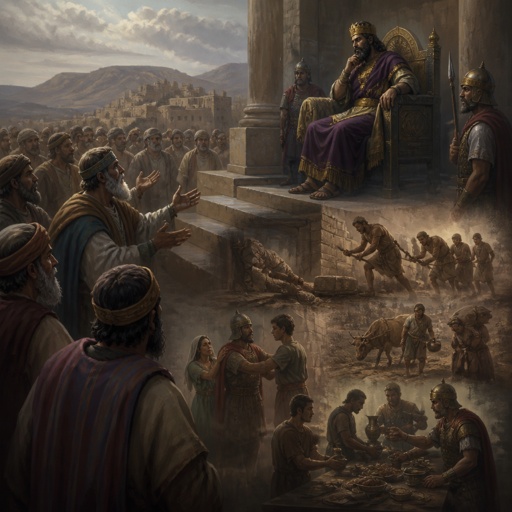
1 Samuel 8:19-22

John 19:25-27 with emphasis on Mary

John 19:3 - "And said, Hail, King of the Jews! and they smote him with their hands."

Exodus 22:19 - "¶ Whosoever lieth with a beast shall surely be put to death."

Job 22:19 - "The righteous see it, and are glad: and the innocent laugh them to scorn."

John 5:22 - "For the Father judgeth no man, but hath committed all judgment unto the Son:"

John 2:19-22 - "Jesus answered them, “Destroy this temple, and I will raise it again in three days.” They replied, “It has taken forty-six years to build this temple, and you are going to raise it in three days?” But the temple he had spoken of was his body. After he was raised from the dead, his disciples recalled what he had said. Then they believed the scripture and the words that Jesus had spoken."

1 John 4:19 - "We love him, because he first loved us."

1 John 5:19 - "And we know that we are of God, and the whole world lieth in wickedness."