What does John 1:21 mean?
“And they asked him, What then? Art thou Elias? And he saith, I am not. Art thou that prophet? And he answered, No.” — John 1:21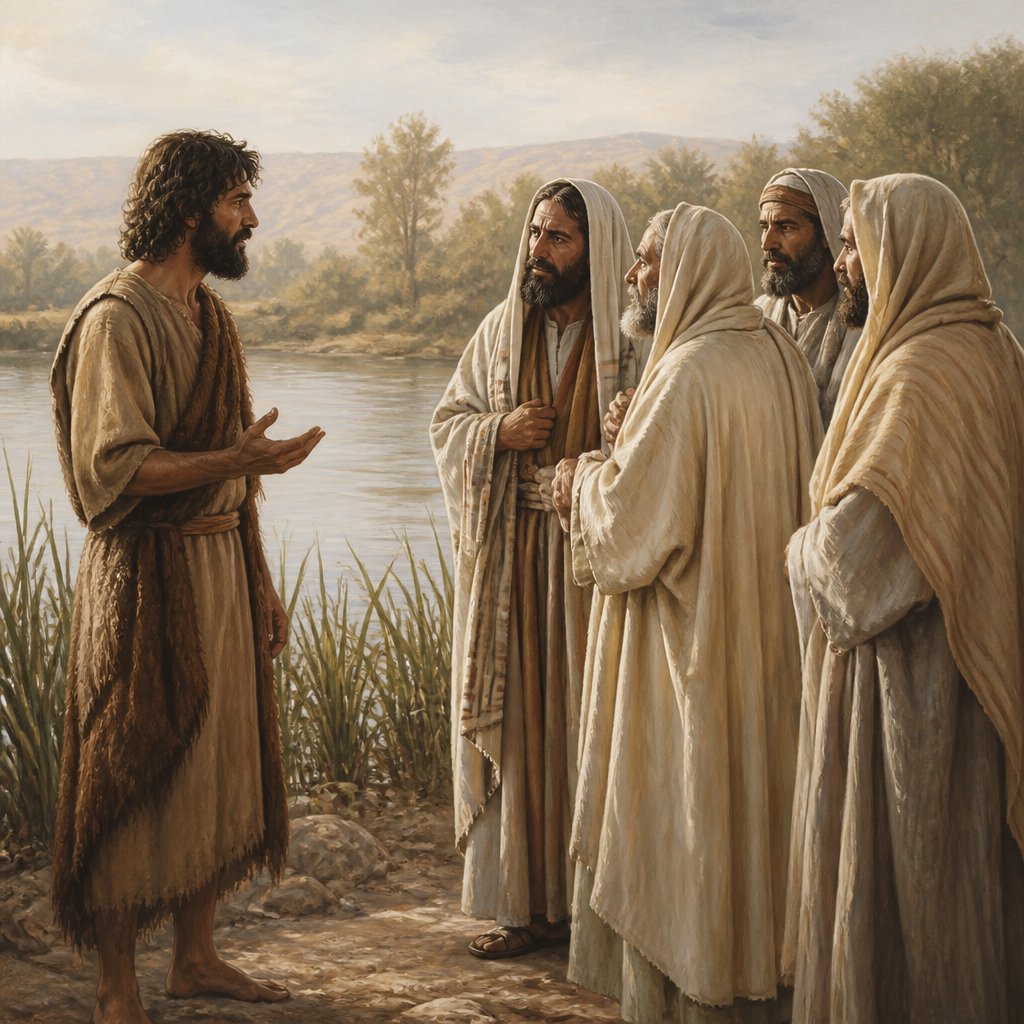
John 1:21 (KJV) - "And they asked him, What then? Art thou Elias? And he saith, I am not. Art thou that prophet? And he answered, No."
This verse is part of the conversation between the priests and Levites, and John the Baptist, as described in the Gospel of John. The priests and Levites were sent from Jerusalem to ask John who he was, as there was much speculation at that time about his identity and purpose. They specifically questioned him about whether he was the prophet Elijah or "that prophet" mentioned in Deuteronomy 18:15-18.
The significance and meaning of this verse can be understood in the broader context of the Gospel of John and the historical and cultural background of the time. The Gospel of John is distinct from the other Gospels in several ways, and one of these is the emphasis on the divine nature of Jesus. John the Baptist plays a significant role in this Gospel as the one who bears witness to the coming of the Messiah and prepares the way for him. This verse is part of that testimony and highlights the confusion and speculation surrounding John's identity.
The question about whether John was Elijah or "that prophet" carries deep symbolic and theological meaning. In Jewish tradition, it was believed that the prophet Elijah would return before the coming of the Messiah. This belief is based on the prophecy in the book of Malachi (Malachi 4:5-6), which states that God will send Elijah before the great and dreadful day of the Lord. By asking John if he was Elijah, the priests and Levites were seeking to understand if he was the precursor to the Messiah's arrival.
The reference to "that prophet" in Deuteronomy 18:15-18 also holds significance. In this passage, Moses tells the Israelites that God will raise up a prophet like him from among their own people, and they must listen to him. This prophecy was understood by many Jews to refer to the coming of a new and significant prophet, and some may have been expecting this prophet to appear alongside or before the Messiah.
John's response to both questions is simple and direct – "I am not" and "No." This emphasizes the humility of John the Baptist and his clear understanding of his role. Despite the speculation and expectations surrounding him, John does not claim to be anyone other than himself. His focus is on preparing the way for the one who is to come, rather than seeking personal glory or recognition.
In a broader theological sense, this verse also points to the unique and incomparable nature of Jesus Christ. While John denies being Elijah or "that prophet," Jesus is ultimately revealed as the fulfillment of all the Messianic prophecies and the ultimate prophet, priest, and king. The Gospel of John goes on to declare the divinity and eternal pre-existence of Jesus, further emphasizing his superiority and uniqueness.
The themes of humility, preparation, and fulfillment of prophecy are central to this verse. John the Baptist exemplifies humility in his denial of grand titles and his focus on preparing the way for the true Messiah. The verse also highlights the fulfillment of Old Testament prophecies in the person of Jesus Christ, who surpasses all expectations and brings about the ultimate fulfillment of God's promises.
In conclusion, John 1:21 captures a pivotal moment in the Gospel of John, shedding light on the speculation surrounding John the Baptist and the unique role of Jesus Christ. It carries significant theological and symbolic meaning, emphasizing the humility of John, the fulfillment of prophecy in Jesus, and the anticipation of the coming Messiah. This verse serves as a reminder of the divine plan unfolding and the ultimate fulfillment found in the person of Jesus Christ.
Get our apps


Artwork for John 1:21

John 1:21 - "And they asked him, What then? Art thou Elias? And he saith, I am not. Art thou that prophet? And he answered, No."
"And they asked him, What then? Art thou Elias? And he saith, I am not. Art thou that prophet? And he answered, No." - John 1:21

John 21:6

John 21:6

John 14:15-21

1 John 5:21 - "Little children, keep yourselves from idols. Amen."

1 John 3:21 - "Beloved, if our heart condemn us not, then have we confidence toward God."

John 21:1 - "After these things Jesus shewed himself again to the disciples at the sea of Tiberias; and on this wise shewed he himself."

1 John 4:21 - "And this commandment have we from him, That he who loveth God love his brother also."

1 John 2:21 - "I have not written unto you because ye know not the truth, but because ye know it, and that no lie is of the truth."

John 20:21

john 21:9

"Little children, keep yourselves from idols. Amen." - 1 John 5:21

John 21:21 - "Peter seeing him saith to Jesus, Lord, and what shall this man do?"

John 21:6

John 21:17

John 21:25

John 21:6

"And this commandment have we from him, That he who loveth God love his brother also." - 1 John 4:21

John 21:15-19

John 2:21 - "But he spake of the temple of his body."
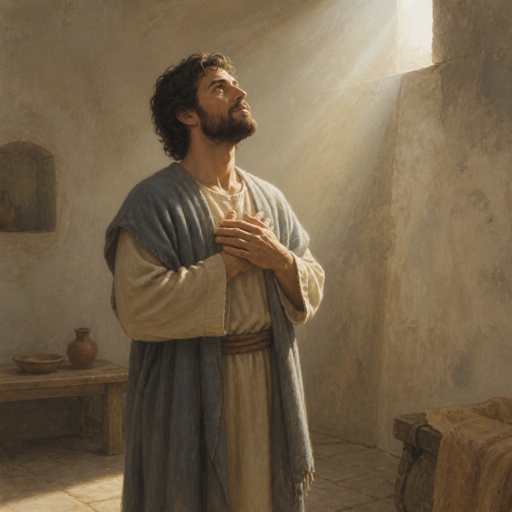
"Beloved, if our heart condemn us not, then have we confidence toward God." - 1 John 3:21

John 21:13 - "Jesus then cometh, and taketh bread, and giveth them, and fish likewise."

numbers 21:8-9 & John 3:14
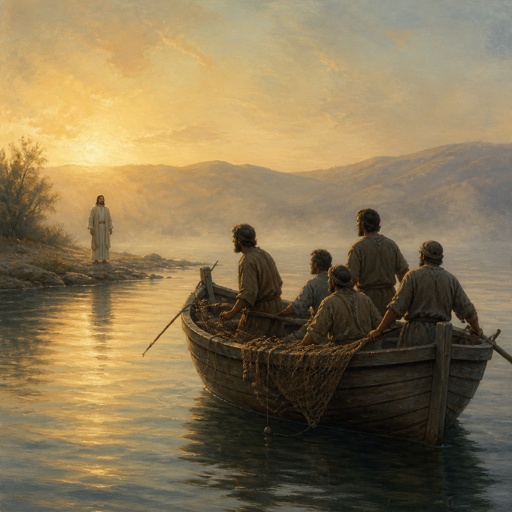
"After these things Jesus shewed himself again to the disciples at the sea of Tiberias; and on this wise shewed he himself." - John 21:1

John 21:4 - "But when the morning was now come, Jesus stood on the shore: but the disciples knew not that it was Jesus."

John 6:21 - "Then they willingly received him into the ship: and immediately the ship was at the land whither they went."

1 John 3:21-22 - "Beloved, if our heart does not condemn us, we have confidence before God; and whatever we ask we receive from Him, because we keep His commandments and do the things that are pleasing in His sight."

"Peter seeing him saith to Jesus, Lord, and what shall this man do?" - John 21:21

"And this commandment have we from him, That he who loveth God love his brother also." - 1 John 4:21